Buying a transcranial magnetic stimulation system is rarely as simple as comparing one number. The Tms Machine Price can range widely, depending on treatment capabilities, coil design, software, accessories, and regional service support. A clinic may see prices from tens of thousands to well over one hundred thousand dollars. These figures are general benchmarks, not promises.
This guide examines the cost factors that global buyers should verify before requesting quotations. It considers new systems, refurbished equipment, delivery, installation, training, warranty coverage, maintenance, and replacement coils. A lower quotation may exclude essential items. For example, a machine priced at $45,000 might not include freight, taxes, calibration, or operator training. The final invoice can look very different.
Specifications matter. So does evidence.
Reliable buyers should review manufacturer credentials, technical documentation, regulatory status in the destination market, and the supplier’s service history. Independent clinical guidance and qualified medical professionals should inform equipment selection. A product’s marketing brochure cannot replace practical evaluation. Ask whether local engineers can respond quickly when a coil fails or software needs updating.
Real purchasing experience also reveals uncomfortable details. Some suppliers quote quickly but answer technical questions slowly. Others provide attractive prices with limited after-sales support. Those differences are easy to miss during early negotiations. This article offers a practical framework for comparing Tms Machine Price, ownership costs, and supplier reliability. It also highlights questions worth asking before payment. Prices change. Specifications change too. Verify every detail in writing.
A TMS machine uses magnetic pulses to influence brain activity without surgery.
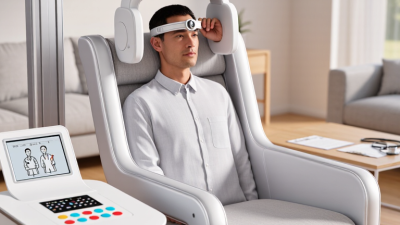
A treatment coil rests against the patient’s scalp. It sends brief electromagnetic fields through the skull. These fields stimulate selected cortical regions, often near the left motor area or frontal brain regions. The patient remains awake and can usually speak during treatment.
The mechanism is precise, but not magical. Repeated pulses may change nerve-cell excitability and support network-level brain regulation. Treatment settings depend on pulse frequency, intensity, coil position, and session duration. A 2023 clinical review in The Lancet Psychiatry reported meaningful benefits for some patients with difficult-to-treat depression. Results still vary between individuals. That matters.
Global buyers should study more than the machine’s quotation. A 2022 World Health Organization report estimated that nearly one in eight people worldwide live with a mental disorder. This rising need helps explain market growth. Industry analyses published in 2024 commonly value the global TMS equipment market at over one billion US dollars, though estimates differ by methodology.
Prices can range from tens of thousands to well above one hundred thousand dollars. Installation, staff training, maintenance, and regulatory requirements may add substantially. The tempting mistake is simple: comparing hardware prices only. I would not do that.
A cheaper system may create higher long-term costs, especially when service access is weak. Safety systems, treatment guidance, warranty terms, and clinical training deserve equal attention. Noninvasive does not mean risk-free. Proper screening remains essential.
Top TMS Machine Price Guide for Global Buyers
What Factors Influence TMS Machine Prices Worldwide?
TMS machine prices vary because buyers are not purchasing one identical product. A basic clinical system may cost less than an advanced platform with multiple coils, automated positioning, and treatment planning software. Coil design matters greatly. Different protocols may require different stimulation capabilities, cooling systems, and positioning accuracy. More features usually increase the initial price.
Compliance requirements also affect the final budget. A machine intended for hospitals may need documented electrical safety testing, regional certifications, and detailed technical files. Voltage compatibility can create extra costs when equipment crosses borders. Freight, insurance, import duties, installation, and local taxes may add a surprising amount. Request a complete landed-cost quotation.
Read the fine print.
Service coverage is another major factor. Ask about installation training, response times, spare parts, software updates, and preventive maintenance. A lower purchase price may become expensive if a replacement coil requires international shipping. Refurbished equipment can reduce capital costs, but buyers should inspect service records, component age, calibration reports, and warranty terms. Not every expensive unit is better, and not every low quote is unsafe. That judgment requires careful technical review. Currency changes and changing regulations can also affect a quotation after approval, so confirm its validity period in writing.
Indicative new-system acquisition ranges are shown in US dollars and reflect typical global market pricing for different TMS configurations. Advanced navigation, higher stimulation flexibility, research functions, software capabilities, installation, training, regional compliance requirements, and after-sales service can substantially increase the final purchase price. Figures exclude taxes, shipping, facility renovation, and recurring maintenance costs.
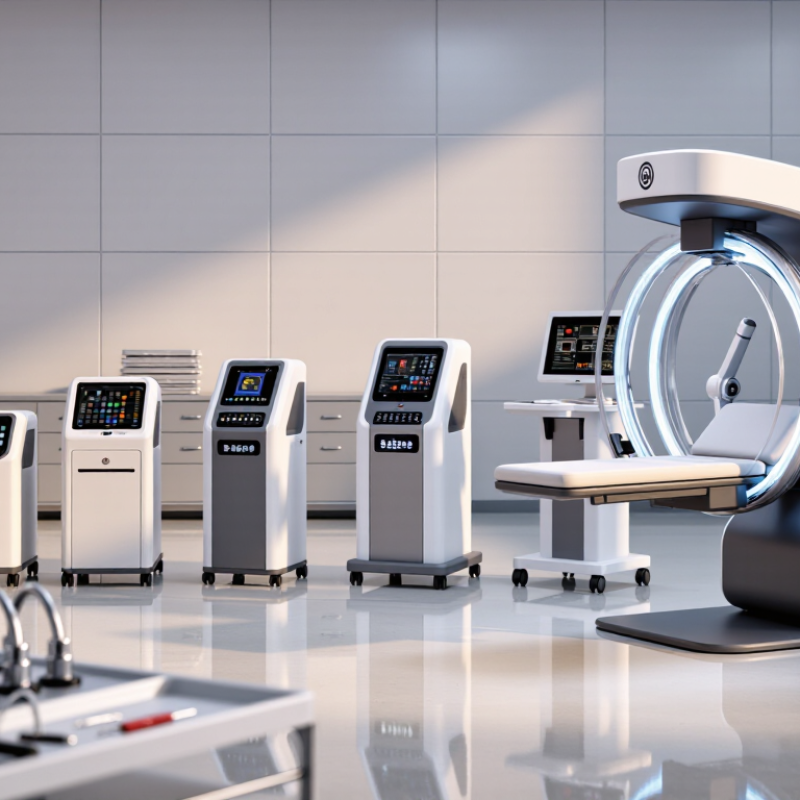
TMS machine prices vary because treatment functions vary. A standard repetitive TMS system often costs about US$30,000–80,000 before shipping, installation, and taxes. It delivers repeated magnetic pulses through a fixed coil. Theta-burst models can cost more, although sessions may be shorter. This matters when clinics calculate staff time and daily capacity.
Navigated TMS systems usually range from US$70,000–150,000. They use imaging or position-tracking tools to improve coil placement. Deep-stimulation systems may exceed US$150,000 because their coils and software target broader brain regions. Research systems can cost less or more, depending on waveform control and data access. Grand View Research reported strong growth in the global TMS market, while Fortune Business Insights also projected rapid expansion. Their estimates differ, which shows why buyers should not rely on one market figure.
Tips: Ask for a complete landed-cost quote. Include calibration, cooling units, training, warranty coverage, and replacement coils. Verify electrical standards for the destination country. Compare pulse settings, duty cycles, and patient-positioning accuracy, not only the purchase price. A lower quote can become expensive after service delays. I have also seen buyers overvalue advanced navigation before confirming clinical demand. That decision deserves a second look.
A TMS machine purchase is more than a console and stimulation coil. A complete package usually includes the magnetic stimulator, treatment coil, patient chair, positioning arm, control software, emergency stop, and basic accessories. Some suppliers also include a cooling unit, coil holder, foot switch, and treatment-room shielding assessment. Confirm every item on the quotation.
Installation should cover delivery, electrical inspection, software setup, and calibration. Ask for on-site training, user manuals, safety procedures, and service response times.
Calibration records matter because stimulation output can drift with heavy use. The 2024 Fortune Business Insights report estimated the global TMS market at about USD 1.2 billion in 2023. Its projected growth reflects rising clinical adoption, but market growth does not guarantee equal service quality.
A reliable purchase should include warranty coverage, preventive maintenance, technical support, and replacement-coil terms. Clarify whether software updates, travel costs, and annual inspections are included.
Also check compatibility with existing patient records or neurophysiology systems. The IEC 60601-1 standard is widely used for medical electrical equipment safety, but compliance documents should be reviewed locally.
Costs can look attractive until training and maintenance appear later. I have seen buyers overlook room access and power requirements. That mistake is avoidable.
A written acceptance test, signed after installation, creates useful evidence for future audits and clinical accountability.
Comparing TMS suppliers requires more than reading the equipment price. A lower quote may exclude delivery, installation, training, software access, or replacement coils. Request an itemized pro forma invoice in your purchasing currency. Check whether taxes, customs charges, insurance, and local service visits are included. Ask for proof. The cheapest offer is often incomplete.
Evaluate technical fit with your treatment plans, room size, power supply, and patient workflow. Request specifications for stimulation output, coil cooling, treatment presets, emergency controls, and data security. Independent calibration records and electrical safety documents deserve careful review. Confirm local regulatory registration and the supplier’s ability to provide compliant documentation. A polished brochure is not evidence. Ask how faults are diagnosed, how quickly parts arrive, and who performs repairs.
Build a three-year total-cost model. Include consumables, preventive maintenance, calibration, staff training, downtime, financing, and software renewal fees. Compare warranty length, response times, remote support, and technician coverage in your region. A live demonstration can reveal awkward controls, noisy cooling, or difficult patient positioning. Take notes from actual operators, not only sales staff. I would leave a small contingency for currency movement and unexpected service costs. That is imperfect, but realistic. Supplier references should describe comparable clinical settings and measurable service performance.