Contact Us

Phone
08 8294 8664

Email
sale@awdmedical.com

Address

Top 10 Non Invasive Brain Stimulation Devices You Should Know?

Non Invasive Brain Stimulation has gained significant attention in recent years. Experts believe this field holds great promise for treating various neurological and psychiatric disorders. Dr. David Rosen, a renowned neuroscientist, mentions, "The beauty of Non Invasive Brain Stimulation is its ability to influence brain activity without surgery."

This field includes devices like transcranial magnetic stimulation (TMS) and transcranial direct current stimulation (tDCS). These technologies offer new approaches to enhancing mental health and cognitive functions. Many researchers view these methods as complementary treatments. However, there are challenges to address. The efficacy and safety of these devices need further exploration.

Some patients report minor side effects, sparking debate over their long-term impacts. Ongoing research aims to refine these devices. Awareness and education about Non Invasive Brain Stimulation are crucial. With the right guidance, individuals may harness these innovations effectively. As the industry evolves, staying informed ensures safe and informed choices.
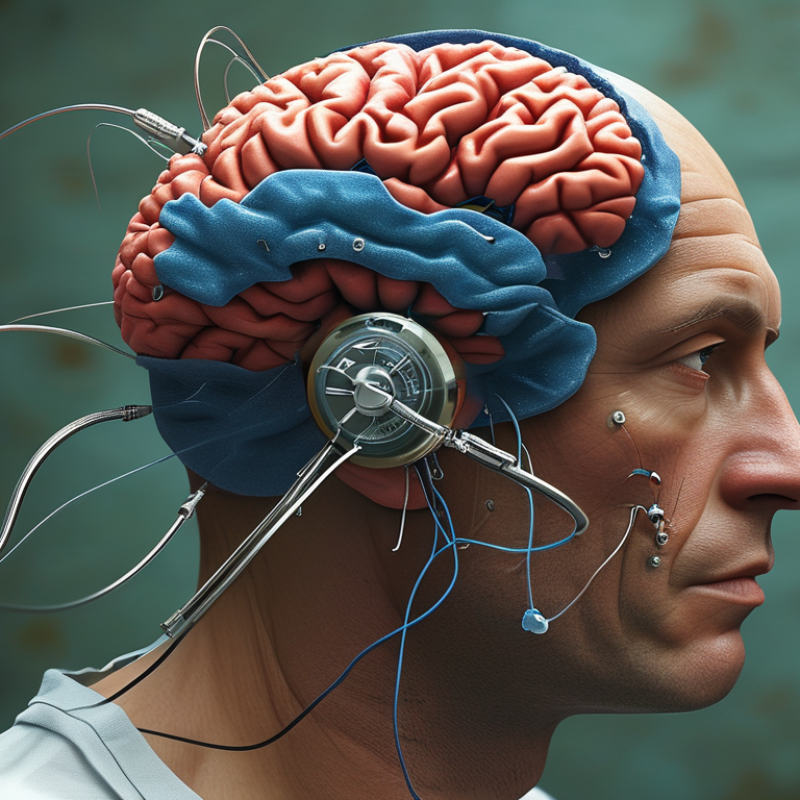
Top 10 Non Invasive Brain Stimulation Devices You Should Know?

Overview of Non-Invasive Brain Stimulation Techniques

Non-invasive brain stimulation (NIBS) techniques have gained significant attention in neuroscience. These methods stimulate the brain without surgery, making them appealing for various applications, such as treating depression or enhancing cognitive function. According to a report from the Frontiers in Human Neuroscience, over 20% of individuals may experience non-responsive depression, highlighting the potential need for innovative interventions.

Transcranial magnetic stimulation (TMS) and transcranial direct current stimulation (tDCS) are prominent NIBS methods. TMS uses magnetic fields to induce electrical currents, effectively targeting specific brain areas. A meta-analysis in Neuropsychobiology showed that TMS could help reduce depressive symptoms in up to 60% of treated patients. On the other hand, tDCS is simpler and more portable, applying a weak electrical current through electrodes. Research indicates that tDCS can improve working memory and executive function in healthy adults, but results can vary widely.

Despite their potential, NIBS techniques are not without limitations. Response rates can be inconsistent, and some individuals may experience side effects, such as mild headaches or tingling sensations. Furthermore, our understanding of the optimal parameters for stimulation remains limited. As research continues, the efficacy and safety of these methods must be evaluated in diverse populations to ensure their reliability and generalizability.

Understanding Transcranial Magnetic Stimulation (TMS)

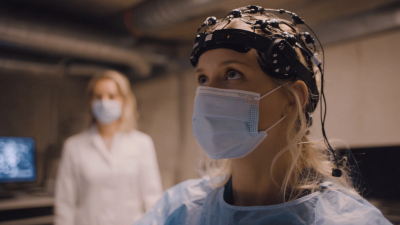
Transcranial Magnetic Stimulation (TMS) has gained attention in the field of mental health. It uses magnetic fields to stimulate nerve cells in the brain. This method is non-invasive, and studies show it can effectively treat conditions like depression and anxiety. A 2021 meta-analysis published in the Journal of Clinical Psychiatry revealed that about 50% of patients with treatment-resistant depression saw significant improvement after TMS therapy.

The mechanism behind TMS is intriguing. It targets specific areas of the brain associated with mood regulation. Researchers have found that repeated stimulation can induce long-term changes in brain activity. In fact, a study in the American Journal of Psychiatry noted that patients experienced lasting benefits, even months after completing their TMS sessions. However, it is essential to consider individual differences. Not everyone responds to TMS therapy, raising questions about its efficacy for various patient profiles.

While TMS shows promise, the technology is not without limitations. Some patients report side effects like headaches or discomfort at the stimulation site. Furthermore, the high cost can be a barrier, as insurance coverage varies widely. Continuous research is necessary to refine TMS protocols and optimize outcomes. Experts emphasize the need for personalized treatment plans to maximize the benefits. This evolving field invites ongoing conversations about mental health therapies that are safe and effective.

Exploring Transcranial Direct Current Stimulation (tDCS)

Transcranial Direct Current Stimulation (tDCS) is a fascinating non-invasive brain stimulation technique that has gained traction in recent years. It involves applying a low electrical current to specific areas of the brain, aiming to modulate neural activity. tDCS can enhance cognitive functions, like memory and attention, while also showing promise in treating mood disorders.

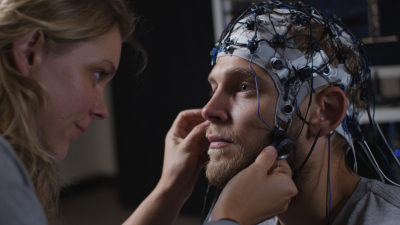
Understanding the use of tDCS is crucial. During the stimulation, electrodes are placed on the scalp. The current flows, affecting brain regions related to the targeted skills or symptoms. It's essential to use tDCS correctly to reap potential benefits. However, the precise effects can vary among individuals, and not everyone experiences improvement. Some may even find the effects unsatisfactory.

When considering tDCS, it's important to reflect on the setup. Ensure the electrodes are placed accurately. Misinformation about these devices is common, so always seek reliable sources. Pay attention to personal experiences, as they can shape outcomes. Start with shorter sessions to gauge your reaction and avoid overshooting the dosage. This method of brain stimulation holds promise, but it needs cautious exploration for best results.

Top 10 Non Invasive Brain Stimulation Devices You Should Know

This chart displays the estimated effectiveness ratings of various non-invasive brain stimulation devices based on recent scientific studies. Each device is rated on a scale from 0 to 100, representing its effectiveness in cognitive enhancement and treatment applications.

Applications and Benefits of Cranial Electrotherapy Stimulation (CES)

Cranial Electrotherapy Stimulation (CES) has gained popularity for its non-invasive approach. This therapy uses low electrical currents to stimulate the brain. The benefits can be significant, particularly for individuals dealing with anxiety and depression. Many users report improvements in mood and a reduction in stress levels.

Research supports the effectiveness of CES. Studies show that it can enhance overall mental clarity and focus. Users often find they sleep better after treatment, leading to a healthier daily routine. A relaxed mind can improve quality of life.

Despite its advantages, CES is not a perfect solution. Some individuals may experience side effects like headaches or discomfort. It's essential to approach this treatment with caution. Consultation with a healthcare professional is recommended to evaluate appropriateness. These considerations ensure that individuals can make informed decisions about incorporating CES into their wellness journey.

Top 10 Non-Invasive Brain Stimulation Devices You Should Know

Device Name Type of Stimulation Main Applications Benefits
Device 1 Transcranial Direct Current Stimulation (tDCS) Cognitive enhancement, depression Improved mood, increased focus
Device 2 Transcranial Magnetic Stimulation (TMS) Depression, anxiety disorders Non-invasive, FDA-approved treatment
Device 3 Cranial Electrotherapy Stimulation (CES) Stress relief, insomnia Anxiety reduction, improved sleep quality
Device 4 Electroconvulsive Therapy (ECT) Severe depression Rapid relief of depressive symptoms
Device 5 Neurofeedback ADHD, PTSD Enhanced self-regulation, emotional control
Device 6 Vagus Nerve Stimulation (VNS) Seizure control, depression Long-term relief, minimal side effects
Device 7 Transcranial Alternating Current Stimulation (tACS) Cognitive performance, mood enhancement Improved cognitive functions
Device 8 Deep Brain Stimulation (DBS) Parkinson's disease, tremors Significant symptom relief
Device 9 Repetitive Transcranial Magnetic Stimulation (rTMS) Chronic pain, mental health disorders Pain relief, mood improvement
Device 10 Magnetic Seizure Therapy (MST) Treatment-resistant depression Minimal cognitive side effects

Emerging Technologies in Non-Invasive Brain Stimulation Devices

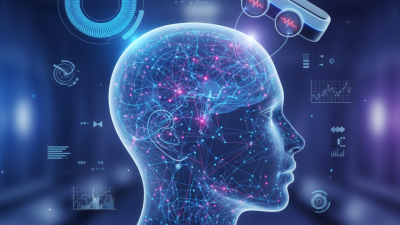
Emerging technologies in non-invasive brain stimulation (NIBS) are reshaping how we understand and enhance mental function. These methods, which include techniques like transcranial magnetic stimulation (TMS) and transcranial direct current stimulation (tDCS), are gaining traction in both clinical and research settings. They target specific brain regions to modulate activity, offering potential in treating various neurological disorders. Many research teams are exploring these devices, enhancing their efficacy and safety, but challenges remain.

The development of portable and easy-to-use devices is particularly exciting. Users can experience stimulation at home, but effectiveness can vary. Self-administered options are appealing, yet they raise questions about proper usage and guidance. Education surrounding these technologies is crucial. Users may misunderstand instructions, leading to inconsistent results or even frustration. Innovation continues, with improvements in targeting and precision, yet refinement in user training stands as a necessary frontier. Balancing accessibility with informed use will define the future landscape of non-invasive brain stimulation.