Contact Us

Phone
08 8294 8664

Email
sale@awdmedical.com

Address

How to Choose the Best TMS Machine for Home Use?

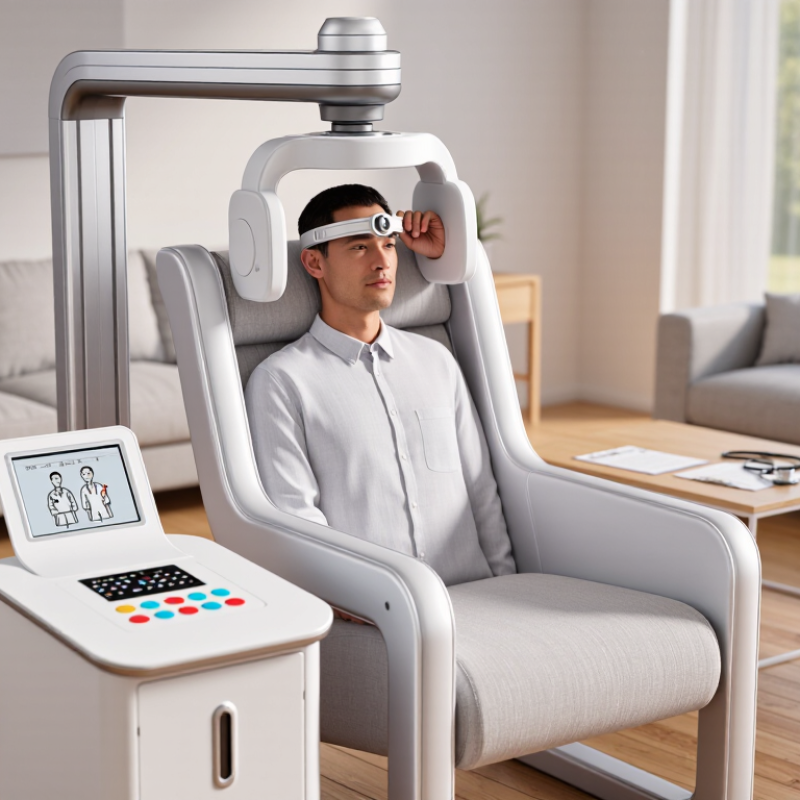
Choosing the Best Tms Machine For Home Use requires more than comparing prices, screen sizes, or promotional claims. A home device may look simple, but magnetic stimulation depends on coil design, pulse strength, treatment timing, and accurate positioning. These details can affect comfort and results. Some products are designed for supervised clinical treatment, while others are marketed for personal wellness. They are not automatically equivalent.

Dr. Anthony Barker, a pioneer of transcranial magnetic stimulation, described TMS as “a safe and non-invasive way to stimulate the brain.” Safety still depends on correct use. A responsible buyer should check regulatory status, manufacturer history, clinical evidence, user training, and access to professional guidance. Ask whether the device includes adjustable intensity, clear placement instructions, emergency support, and a reliable warranty. Keep it practical. Can the coil sit steadily on the intended area? Is the control panel understandable after a tiring day?

Medical history matters. People with implanted electronic devices, certain metal implants, seizure risks, or unexplained neurological symptoms may need professional assessment before use. A qualified clinician should review these concerns.

Experience can expose weaknesses that product pages hide. A device may feel convenient during the first session, yet become difficult to position consistently. Some instructions may also be too vague. That deserves reflection.

This guide examines how to compare a Tms Machine For Home Use through evidence, usability, safety, and long-term support. It does not treat the most expensive model as the best. The better choice is the one that fits verified needs, realistic expectations, and responsible supervision.

How to Choose the Best TMS Machine for Home Use?

Understanding TMS Technology and Its Home-Use Applications

Transcranial magnetic stimulation, or TMS, uses brief magnetic pulses to influence targeted brain areas. For home use, the key question is not simply power. It is whether the device supports safe, supervised treatment.

The World Health Organization’s World Mental Health Report 2022 estimates that nearly one in eight people worldwide live with a mental disorder. This growing need partly explains interest in accessible neuromodulation. However, home TMS is not automatically suitable for every condition or user.

Look for adjustable intensity, clear treatment records, automatic session limits, and reliable temperature control. A qualified clinician should review medical history, medication use, seizure risk, and implanted metal before treatment.

Evidence remains uneven. A 2023 review in Brain Stimulation noted increasing interest in remotely delivered neuromodulation, but highlighted limited long-term data and inconsistent home protocols.

Market forecasts also differ widely; Grand View Research estimated strong growth in the TMS sector through 2030, yet commercial growth does not prove clinical effectiveness.

Be cautious. A quiet machine may still deliver unsuitable stimulation. A comfortable interface may hide poor monitoring.

In practice, the best home system is one that combines documented clinical evidence, trained oversight, transparent technical specifications, and responsive support. Personal experience can reveal usability problems, but it cannot replace controlled research.

Assessing Safety, Treatment Goals, and Medical Suitability

How to Choose the Best TMS Machine for Home Use?

Assessing Safety, Treatment Goals, and Medical Suitability

Choosing a home TMS machine should begin with medical suitability, not convenience or attractive specifications. TMS uses magnetic pulses, which may affect brain activity and nervous system function. Ask a licensed clinician whether this treatment fits your health history. Discuss seizure history, implanted metal, electronic medical devices, severe headaches, and current medications. Pregnancy and bipolar symptoms may also require careful medical review. These details can change the level of risk.

Clarify your treatment goal before comparing machines. You may want support for mood symptoms, pain, or another clinically recognized concern. Each goal may require different settings, session lengths, and monitoring. Do not assume a stronger pulse produces better results. Ask how progress will be measured, who will review your response, and what happens if symptoms worsen. A written treatment plan helps prevent casual or excessive use. That matters.

Safety depends on design, instructions, and professional support. Look for precise usage guidance, adjustable settings, emergency contact information, and transparent clinical evidence. Independent research is more useful than dramatic testimonials. Instructions should explain correct placement, session frequency, cleaning, and warning signs. Stop if unusual confusion, severe discomfort, fainting, or worsening mood appears. Home treatment can feel simple, yet suitability is personal. I would not choose a device based only on price or portability. Personal needs deserve more careful reasoning.

How to Choose the Best TMS Machine for Home Use? - Assessing Safety, Treatment Goals, and Medical Suitability

Assessment Dimension What to Verify Evidence-Based Considerations Safer Selection Standard Warning Signs
Regulatory status Confirm that the exact device and intended use are authorized by the relevant medical-device regulator in the country of use. Regulatory authorization is specific to a device, indication, treatment protocol, and setting. Authorization for clinic use does not automatically mean that unsupervised home use is authorized. Choose only a device with clearly documented authorization for its stated home-use purpose, where applicable. Vague claims such as “medical grade” or “clinically proven” without an identifiable authorization, indication, or instructions for use.
Clinical supervision Determine whether a qualified clinician must prescribe, review, program, and monitor treatment. Clinical TMS is normally delivered after medical screening and according to a prescribed protocol. Home operation should not replace diagnosis, treatment planning, or follow-up. Require an initial assessment, written protocol, remote or in-person follow-up, and a clear emergency contact process. No clinician involvement, unrestricted intensity changes, or instructions to diagnose and treat yourself.
Treatment goal Identify the specific condition and outcome being addressed, such as depressive symptoms, obsessive-compulsive symptoms, or another clinician-defined indication. Evidence and authorized indications vary by device, country, protocol, and condition. Results from one indication should not be assumed to apply to another. Select a device only when its documented indication matches the user’s diagnosed condition and treatment objective. Promises to treat a wide range of unrelated diseases or guarantees of rapid, permanent results.
Diagnosis and clinical suitability Obtain a diagnosis and review psychiatric, neurological, and general medical history before treatment. TMS is not a substitute for assessment of conditions such as bipolar disorder, psychosis, epilepsy, substance-related symptoms, or medical causes of mood changes. Use clinician-led screening and document baseline symptoms, current medicines, sleep, alcohol or drug use, and relevant medical history. Self-treatment for unexplained symptoms, severe deterioration, psychosis, mania, or suicidal thoughts.
Metal and implanted devices Check for non-removable metal in or near the head and neck, implanted electronic devices, and other surgical implants. Magnetic fields can interact with certain metal objects or implanted devices. Examples requiring specialist review may include cochlear implants, deep-brain stimulators, implanted pumps, and some aneurysm clips. Provide the clinician with implant cards, surgical records, and the exact device model before approval. Using the device without confirming implant compatibility or assuming that every implant is safe.
Seizure risk Review personal or family seizure history, head injury, neurological disease, sleep deprivation, alcohol or drug use, and medicines that may affect seizure threshold. TMS-associated seizures are uncommon when established protocols and screening are followed, but the risk is not zero. Require individualized risk assessment and strict adherence to prescribed settings and session duration. A history of seizures or major neurological risk factors without specialist clearance; unsupervised changes to intensity or frequency.
Medication review List all prescription medicines, over-the-counter products, and supplements, including recent changes. Some medicines may influence seizure risk, alertness, or treatment response. Medication changes should be coordinated with the prescribing clinician. Have a clinician review the complete medication list before the first session and after major changes. Stopping, starting, or changing medication solely to use a home TMS device.
Pregnancy and reproductive health Tell the treating clinician about pregnancy, plans to become pregnant, or breastfeeding. Available evidence may differ by indication and treatment protocol. The potential benefits and uncertainties should be reviewed individually. Use only after a clinician has assessed the individual circumstances and selected an appropriate protocol. Marketing that describes TMS as automatically risk-free during pregnancy or breastfeeding.
Expected side effects Understand common and serious adverse effects and how they will be monitored. Common effects can include scalp discomfort, facial muscle twitching, and headache. Rare but serious effects include seizures; mood elevation or mania can occur in susceptible individuals. Use a symptom log and have predefined instructions for pausing treatment and contacting a clinician. No adverse-event information, no reporting channel, or claims that side effects are impossible.
Emergency planning Know what to do if a seizure, loss of consciousness, severe headache, chest symptoms, new neurological symptoms, or dangerous mood changes occur. A home protocol should include immediate discontinuation criteria and access to local emergency services. Suicidal thoughts or psychotic or manic symptoms require urgent professional help. Keep emergency contacts available and ensure another responsible adult can assist when clinically recommended. No emergency instructions or advice to continue treatment despite severe symptoms.
Targeting and positioning Assess how the device identifies and maintains the intended treatment position. TMS effects depend on coil placement, stimulation parameters, and protocol. Incorrect positioning may reduce effectiveness and could increase discomfort or risk. Prefer clinician-guided fitting, clear positioning aids, and a system that limits unauthorized parameter changes. Reliance on approximate placement, handwritten settings, or “one position fits everyone” instructions.
Protocol control Review limits on intensity, pulse frequency, session duration, and treatment frequency. Safety and effectiveness depend on protocol parameters. More stimulation is not necessarily better and may increase adverse effects. Use clinician-programmed settings, automatic session limits, password protection, and treatment records. Users can freely increase intensity, extend sessions, or combine protocols without medical approval.
Outcome monitoring Define how improvement, worsening symptoms, side effects, and adherence will be measured. Validated symptom scales and regular clinical review provide more reliable information than subjective impressions alone. Establish baseline scores, review intervals, stopping rules, and a plan for adjustment or referral. No baseline assessment, no follow-up, or continued treatment despite worsening symptoms.
Maintenance and technical safety Check electrical safety, battery or power requirements, cleaning instructions, calibration, software updates, and repair procedures. A damaged coil, cable, enclosure, or power supply can create safety problems or change device performance. Use documented maintenance procedures, safety testing, user training, and authorized servicing. Modified hardware, third-party power supplies, exposed wiring, overheating, or missing maintenance records.
Home environment Evaluate whether the treatment area is stable, dry, uncluttered, and suitable for safe positioning. The user should be able to remain alert, follow instructions, avoid distractions, and keep incompatible metal objects away from the treatment area. Use the device in a designated area according to the instructions, without alcohol or recreational drugs. Using the device while intoxicated, driving, bathing, lying in an unsafe position, or handling unrelated magnetic-sensitive equipment.
Practical adherence Consider session length, treatment frequency, setup time, comfort, transportation, and the user’s ability to follow the full course. TMS commonly requires repeated sessions over multiple weeks. Missed sessions or inconsistent positioning may affect treatment evaluation. Choose a protocol that is realistic and includes reminders, usage logs, and clinician review of adherence. A treatment schedule that is impractical, painful, or impossible to complete consistently.
Cost and continuity of care Compare the total cost of the device, clinical assessment, monitoring, consumables, servicing, software, and replacement parts. Lower purchase price does not compensate for inadequate screening, poor support, or inability to obtain follow-up care. Confirm warranty terms, training, technical support, clinician access, return conditions, and long-term availability of service. Hidden recurring fees, no warranty, no local support, or pressure to purchase before medical evaluation.

Important: Home-use TMS should be considered only under appropriate medical supervision. Regulatory requirements, approved indications, contraindications, and treatment protocols vary by country and device. This table is for general screening and does not replace advice from a qualified healthcare professional.

Comparing TMS Machine Types, Features, and Performance

Choosing a TMS machine for home use starts with its stimulation method, not its appearance. Repetitive TMS, theta-burst protocols, and low-intensity portable systems differ in pulse pattern, depth, and clinical evidence. A smaller unit may be easier to store, but portability can reduce coil stability and targeting accuracy. Check whether the device supports clinician-supervised sessions or independent operation. This distinction matters.

Compare adjustable intensity, session presets, cooling, emergency-stop controls, and treatment logs. A reliable device should display clear output settings and explain contraindication screening. Ask whether it supports guided positioning, because a few centimeters can change stimulation over the motor or prefrontal area.

Performance should mean repeatable delivery, not dramatic sensations. TMS is usually not painful. Mild scalp discomfort can occur. Noise, heat, and setup time also affect daily adherence.

Before purchasing, review published clinical evidence, safety documentation, warranty terms, and technical support. Confirm that the device has appropriate authorization in your region. A qualified clinician should assess home treatment, especially with implanted electronic devices, seizure risk, or unexplained neurological symptoms. Do not assume higher intensity means better results.

I once focused too heavily on power ratings and overlooked positioning support. That was a poor comparison. Cost, training, follow-up access, and measurable outcomes deserve equal attention.

Evaluating Ease of Use, Comfort, and Maintenance Requirements

Choosing the best TMS machine for home use requires more than comparing stimulation settings. Ease of use should guide the decision. A suitable device needs clear controls, readable prompts, and a short setup routine. Ask a licensed clinician to confirm whether home treatment is appropriate. They should also explain correct positioning, session timing, and warning signs. If the instructions feel vague, stop and ask questions. That matters.

Comfort deserves direct attention. During a session, notice pressure around the temples, heat, noise, and head position. A padded support may reduce neck strain during longer sessions. The coil should stay stable without forcing the user to hold it. Mild scalp sensations can occur, but sharp pain or unusual symptoms require medical advice. Do not treat discomfort as proof that treatment is working. No device is perfect.

Maintenance can affect safety and consistency. Look for removable covers, simple cleaning instructions, and durable cables. Follow the supplied guidance for approved cleaning materials, and keep electronic parts dry. Inspect the equipment regularly for cracks, loose connections, or damaged insulation. Keep a basic session log, including comfort and unusual reactions. My first instinct might favor advanced features, but simple design often wins at home. Still, convenience can hide trade-offs. Ask who handles repairs, software updates, and replacement parts before purchasing. A qualified provider should review the treatment plan regularly.

Checking Costs, Certification, Support, and Long-Term Value

How to Choose the Best TMS Machine for Home Use?

Cost deserves more than a purchase-price comparison. Calculate the machine, delivery, installation, training, maintenance, and possible coil replacement. A cheaper unit may become expensive after a short warranty ends. Ask for a written total-cost estimate, not a cheerful verbal promise. I would also check whether software updates, calibration, and technical visits carry separate fees.

Certification should match the device’s intended use and your local requirements. Look for clear safety documentation, testing records, operating limits, and instructions written for home users. Do not rely on a badge shown on a sales page. Verify the certificate with the relevant authority or testing organization when possible. TMS equipment involves strong magnetic fields and electrical systems, so professional screening remains important.

Support can determine whether the machine stays useful. Check response times, remote troubleshooting, replacement procedures, and access to trained technicians. Ask what happens after the warranty expires. Long-term value also depends on repairable parts, secure data handling, and regular performance checks. A trial period may reveal practical problems, such as noise, room size, setup time, or uncomfortable positioning. Small details matter. My first cost estimate would probably miss something. Recheck it after speaking with a clinician and an independent service professional.

This neutral screening framework prioritizes regulatory fit, clinical evidence, total ownership cost, technical support, and long-term serviceability when evaluating a TMS device for home use. Certification and intended-use claims should always be verified with the relevant regulatory authority in your country.