Contact Us

Phone
08 8294 8664

Email
sale@awdmedical.com

Address

How Much Does an RTMS Machine Cost in 2026?

Estimating Rtms Machine Cost in 2026 means looking beyond a list price. A clinic may compare the device, treatment coil, software, warranty, staff training, and ongoing service. Delivery and installation can add costs, too. Small details matter. A quote may cover the console but exclude several years of maintenance.

Grand View Research’s Transcranial Magnetic Stimulator Market report estimated the global market at about US$1.1 billion in 2023 and forecast continued growth through 2030. That figure describes the market, not the price of one machine. It signals expanding demand, but cannot establish what a clinic will pay in 2026. This distinction is easy to miss.

Actual pricing depends on the system’s capabilities, new or refurbished status, included accessories, and local support. Financing terms and warranty length can also change the total cost of ownership. Public sources rarely provide comparable, current quotes across manufacturers, so any single online price should be treated cautiously. It may omit essential services. For a reliable budget, request itemized quotes from several suppliers and confirm what each includes. Ask about installation, staff onboarding, service response times, replacement parts, and renewal fees. Then compare those figures with expected appointment volume and reimbursement assumptions. Those assumptions need verification with relevant payers; they are not guaranteed revenue. The following overview explains which cost components to assess and where estimates can mislead. For a real purchasing decision, supplier quotes and clinical-service requirements matter more than a broad market forecast.
How Much Does an RTMS Machine Cost in 2026?

What Is an rTMS Machine and What Does It Include?

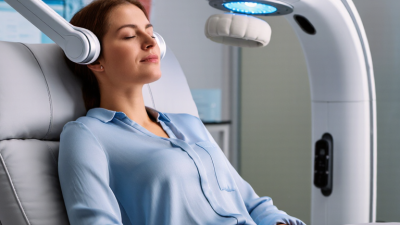
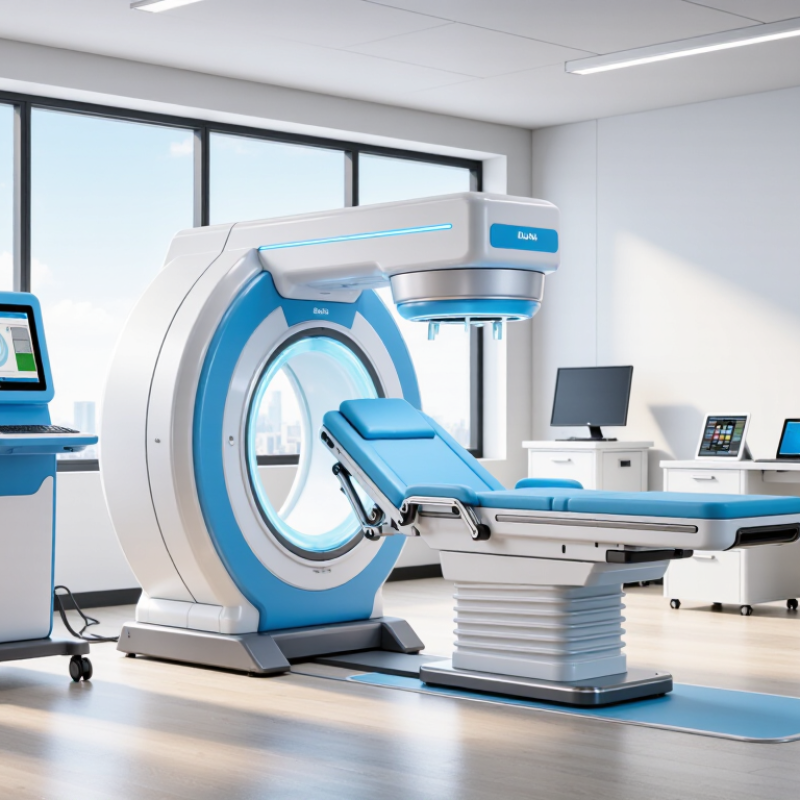
An rTMS machine is a clinical system that delivers brief magnetic pulses through a coil placed near the scalp. The stimulator generates the pulses; the coil transfers them to the treatment area. It is more than a console and a cable.

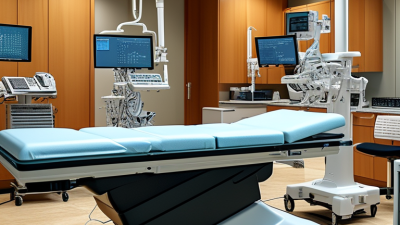
A typical setup may include a positioning arm, an adjustable treatment chair, and software for selecting and recording treatment parameters. Some packages also provide a cooling unit, coil covers, emergency-stop controls, training, installation, and service support. Exact contents vary. Ask for an itemized quote rather than assuming every listed feature comes standard.

In a treatment room, practical details matter. The arm should hold the coil steadily, and the chair should let staff position a patient without awkward lifting. Operators also need clear instructions for setup, cleaning, and routine checks. These components affect both usability and the quoted 2026 cost. Still, a package can look complete on paper and feel incomplete in a busy clinic. Compare what is included, what requires a separate purchase, and how support is provided after installation.

How Much Does a New rTMS Machine Cost in 2026?

A new rTMS machine in 2026 may require a budget of roughly $50,000 to $150,000, depending on the system configuration and service package. Treat this as an initial planning range, not a verified national average: manufacturers do not publish a consistent, audited database of transaction prices. A basic setup may include the stimulator, treatment coil, and delivery chair. Costs can rise with navigation tools, extra coils, staff training, installation, and extended maintenance coverage.

The Grand View Research Transcranial Magnetic Stimulator Market report valued the global market at about $1.3 billion in 2023 and forecast continued growth. That figure covers a broader market; it does not establish the price of one new machine. Ask suppliers for itemized quotations and check what happens when a coil needs replacement. Small details matter. Also compare warranty length, service response times, software updates, and financing charges. CMS physician fee schedules describe reimbursement for clinical services, not equipment purchase prices, so projected treatment revenue should not be mistaken for the machine’s cost. Budget estimates can still miss practical expenses, especially room preparation and staff time.

How Much Does an RTMS Machine Cost in 2026? – How Much Does a New rTMS Machine Cost in 2026?

Cost Component Estimated 2026 Cost (USD) What It Typically Includes Notes
New rTMS system $50,000–$150,000 Stimulator, treatment coil, basic control software, and standard accessories Actual pricing depends on system configuration, treatment capabilities, service terms, and seller.
Entry-level or basic configuration $40,000–$80,000 Core stimulation equipment and a standard treatment setup Availability and included features vary; confirm whether the quote covers installation and training.
Advanced configuration $80,000–$150,000+ Higher-specification equipment, additional treatment options, or expanded accessories Optional features and service packages can increase the purchase price.
Delivery and installation $1,000–$5,000 Shipping, on-site setup, and initial system checks May be included in a purchase quote or charged separately; location affects cost.
Staff training $1,000–$5,000 Initial operator instruction and setup guidance Some suppliers include basic training; extra sessions or travel may cost more.
Annual service and maintenance $3,000–$10,000 per year Depending on the agreement, preventive maintenance, technical support, and repairs Coverage, response times, parts, and coil replacement terms differ by contract.
Replacement treatment coil $5,000–$15,000 A compatible replacement coil, when required Price and expected service life depend on coil type, usage, and warranty coverage.
Estimated first-year total $55,000–$170,000+ Equipment plus potential delivery, installation, and training costs Does not include clinic renovation, financing costs, staffing, or ongoing operating expenses.

Estimate note: These are indicative U.S. budget ranges for 2026, not supplier quotations. Prices vary by configuration, included services, purchasing terms, and location. Request an itemized quote to confirm what is included.

Which Factors Influence rTMS Machine Prices?

How Much Does an RTMS Machine Cost in 2026?

Which Factors Influence rTMS Machine Prices?

There is no single reliable price for an rTMS machine in 2026. Quotes vary by country, supplier, configuration, and whether the system is new or refurbished. The console is only part of the cost. A clinic should also check what is included in the quote.

Coil design and replacement options can affect the initial price and ongoing expenses. Some systems include cooling, patient-positioning tools, or treatment-planning software; others offer these as upgrades. These details matter during a busy clinic day. So does the setup: a compact room may need different positioning equipment than a larger treatment suite.

Support can change the real value of a purchase. Ask whether installation, staff training, warranty coverage, and technical service are included, and how quickly help is available. Shipping, taxes, and local service costs may also apply. It adds up. Comparing only the headline price can be misleading, though I would still check every line item rather than assume a premium package is necessary. Request an itemized quote and confirm which accessories and services are included before comparing options.

How Do New, Used, and Leased Machines Compare?

In 2026, a new clinical rTMS machine may cost roughly $50,000 to $150,000, depending on configuration, software, and included support. Treat that as a planning range, not a quote. Ask whether the price covers the treatment coil, installation, staff training, warranty, and service visits. A lower hardware price can become expensive if repairs or replacement parts are excluded. Small details matter.

Used machines often cost less upfront, sometimes around $20,000 to $70,000. Their value depends on age, usage, service records, and whether the manufacturer still supports the model. Before buying, request maintenance logs and confirm that the system can be inspected, calibrated, and supplied with compatible parts. A bargain without those records is a risk, not a saving.

Leasing can reduce the initial cash burden, with monthly payments shaped by the term, deposit, and service package. Compare the total paid over the lease with the purchase price, and check who handles repairs and upgrades. Leasing may suit a clinic testing demand; ownership may cost less over time when use is steady. The spreadsheet may still miss downtime. Ask for a written breakdown before deciding.

What Ongoing Costs Should Buyers Budget For?

Ongoing costs are driven less by the console and more by repeated treatment sessions. In a pivotal multicenter trial, 301 adults received weekday treatment for up to six weeks (O’Reardon et al., Biological Psychiatry, 2007). That schedule means buyers should budget for clinician time, room use, staff training, and patient scheduling—not just electricity and supplies.

It adds up.

CMS’s Physician Fee Schedule separates initial motor-threshold mapping from subsequent treatment services (CPT 90867–90869), a useful reminder that staffing and reimbursement calculations should account for each visit.

Service contracts, coil inspection or replacement, software support, and downtime coverage also need line items. Ask suppliers for written pricing, response-time guarantees, parts availability, and what routine maintenance excludes. Then compare those terms with local biomedical-engineering labor rates.

The Clinical TMS Society’s practice guidance and published treatment protocols can help estimate workload, but they do not establish a universal annual maintenance price. That figure varies with use, warranty terms, and local service access.

A small clinic may use one coil heavily; a larger service may need backup capacity. Budgeting only the contract price is tempting, but incomplete.

Keep a contingency for repairs and missed treatment capacity, and review actual costs after the first year.