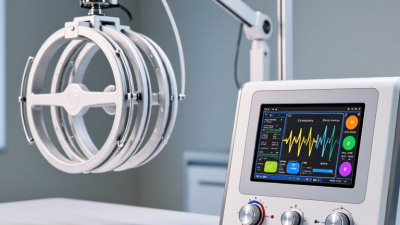
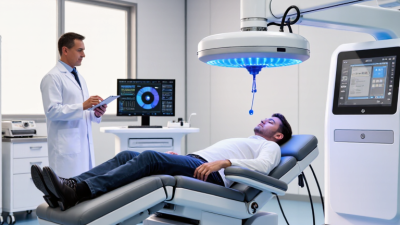
Top 10 Used TMS Machines for Sale Worldwide
The global market for Used Tms Machine For Sale listings offers clinics, hospitals, and research centers practical access to advanced neurostimulation equipment. However, a lower price does not guarantee a reliable purchase. Machine age, treatment hours, coil condition, software access, and service history can change the real value significantly.
This guide examines ten widely encountered used TMS machines available through international suppliers and specialist resellers. Each selection requires careful review. Buyers should check serial numbers, calibration reports, cooling-system performance, emergency controls, and included accessories. A clean console is not enough. Ask for operating records, maintenance invoices, training options, and clear photographs of the coil surface and connector.
Dr. Alvaro Pascual-Leone, a recognized TMS researcher, has emphasized a practical principle: “TMS is a tool, not a treatment.” The statement matters when comparing second-hand systems. Clinical outcomes depend on trained operators, suitable protocols, patient screening, and responsible follow-up. Equipment alone cannot replace professional judgment.
Some listings look impressive but provide limited technical information. That should raise questions. Regional voltage, import requirements, software licensing, warranty coverage, and authorized servicing also deserve attention. Availability changes quickly, and not every advertised unit remains ready for clinical use. Buyers may find a strong bargain, or they may inherit costly repairs. This guide is not a substitute for technical inspection. It is a starting point for more careful decisions.
Defining Used TMS Categories Through Four FDA-Cleared Clinical Indications
Top 10 Used TMS Machines for Sale Worldwide
Defining Used TMS Categories Through Four FDA-Cleared Clinical Indications
Used TMS machines are easier to compare when grouped by clinical indication. In the United States, four widely recognized FDA-cleared categories include major depressive disorder, obsessive-compulsive disorder, migraine with aura, and smoking cessation. Each indication may require different coils, pulse settings, treatment targets, and software controls. Clearance belongs to a specific device and protocol. It does not automatically cover every machine in the same category.
A practical inspection starts with the serial number, treatment coil, pulse count, and service history. Check whether the cooling system reaches stable temperatures during repeated sessions. Review the software version and confirm that treatment presets remain accessible. For machines used in depression care, inspect stimulation output consistency and emergency controls. OCD systems may require specialized targeting guidance. Migraine equipment needs accurate single-session delivery. Smoking-cessation systems may use different coil geometry and dosing requirements.
The market is not perfectly tidy. A refurbished label alone proves little. Ask for calibration records, electrical compliance documents, operating manuals, and documented maintenance. Verify compatibility with local voltage and clinical workflows. A low price can hide unavailable parts or expired support. I have found that photographs rarely reveal coil wear, screen faults, or unstable cooling. Independent inspection remains valuable, even when the seller provides confident technical claims. FDA clearance also does not replace clinician training, patient screening, or proper treatment supervision.
Ranking 10 Global TMS Machines by FDA Clearance, Coil Design, and Output
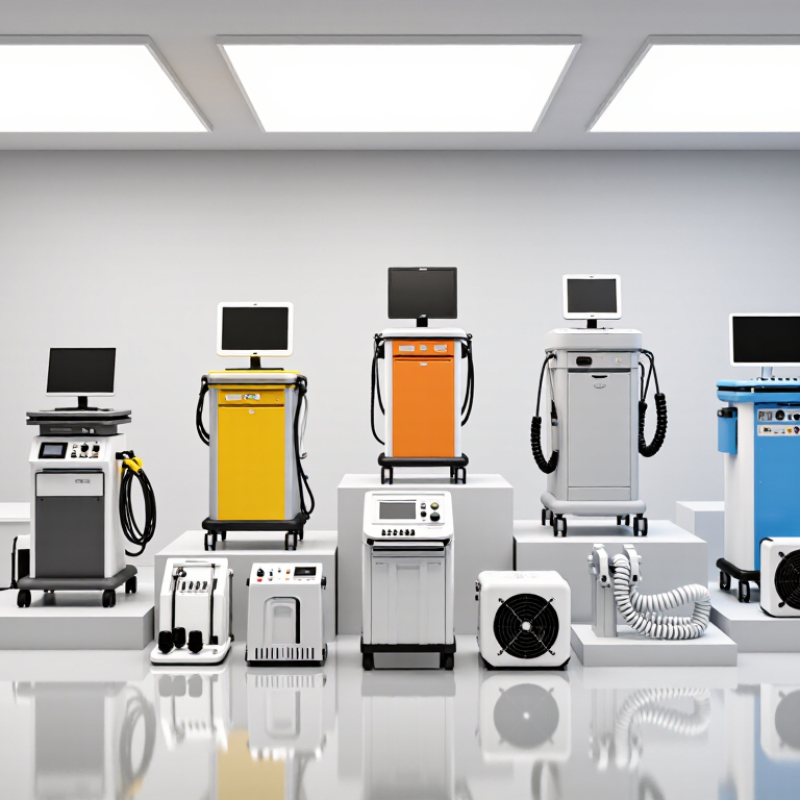
The top 10 used TMS machines worldwide should be ranked by evidence, not appearance. Rank one goes to systems with documented FDA clearance, a figure-eight coil, and stable high-output delivery. Ranks two and three follow with comparable clearance records and precise focal stimulation. Rank four favors dual-coil platforms for broader clinical protocols. Rank five includes systems with adjustable pulse frequency and reliable cooling. Ranks six and seven suit routine treatments with moderate output and ergonomic coils. Rank eight covers compact units with limited protocol flexibility. Ranks nine and ten include older machines requiring careful service verification.
FDA clearance applies to specific indications, not every treatment claim. Buyers should check the original clearance documents, serial number, software version, and permitted protocol. Coil design changes the treatment experience. A figure-eight coil concentrates stimulation near the surface, while a circular coil distributes energy more broadly. Deeper-reaching coils may improve access, but they can feel less focal. Output should be tested under load, not judged from a screen reading alone.
Tips: Request pulse logs, maintenance records, and an independent electrical safety test. Inspect the coil housing for cracks, heat marks, and cable stiffness. Confirm that replacement parts remain available in your region. Used equipment can look excellent and still perform poorly. I would also compare real output at the intended frequency, because maximum specifications sometimes hide practical limits. FDA status is important, but service history may decide whether the machine is a sensible purchase.
Assessing Safety and Compliance Under IEC 60601-1 and FDA 510(k) Standards
Top 10 Used TMS Machines for Sale Worldwide
When evaluating used transcranial magnetic stimulation machines, safety should outweigh appearance, price, and treatment speed.
IEC 60601-1 assessment starts with basic electrical protection: grounding, insulation, leakage current, fuses, and accessible conductive parts. A cracked cable or loose connector can create a serious risk during daily operation. Check the emergency stop, power switch, cooling system, and coil temperature controls. Small details matter.
The seller should provide the exact model, serial number, service history, and maintenance records. Calibration dates are especially important for stimulation output and timing accuracy. Review the original labeling and intended use. FDA 510(k) clearance applies to a specific device configuration, not every second-hand unit that looks similar. Confirm that the offered machine matches its cleared configuration. Software changes, replacement coils, and missing accessories may affect compliance. A clearance number alone is not enough.
Inspect the unit while powered on, if possible. Listen for unusual fan noise. Watch for unstable readings. Ask whether the machine has been repaired after impact, liquid exposure, or overheating. A clean enclosure can mislead. Documentation may also contain gaps, and those gaps deserve attention rather than optimistic assumptions. IEC 60601-1 compliance depends on the applicable edition, testing evidence, and final configuration. No checklist is perfect. Independent electrical safety testing remains a sensible safeguard before clinical use.
Evaluating Resale Value Through Age, Treatment Hours, Service History, and Warranty
Top 10 Used TMS Machines for Sale Worldwide
Evaluating Resale Value Through Age, Treatment Hours, Service History, and Warranty
A used TMS machine’s age is only the starting point. A five-year-old unit with careful handling may outperform a newer system used heavily every day. Check the manufacturing date, installation date, and software history. These details can reveal storage gaps or delayed maintenance. Treatment hours matter more than many listings admit. Ask for session counts, pulse totals, and operating hours from the service menu. Low hours usually support stronger resale value, but incomplete records weaken that advantage.
Service history can change the price quickly. Look for dated invoices covering coil inspection, cooling checks, software updates, and electrical testing. A clean maintenance trail suggests responsible ownership. It also helps technicians estimate future costs. I would inspect the handpiece cable closely; small cracks near the connector can become expensive problems. Sellers sometimes describe equipment as “excellent” without showing test results. That wording is not evidence. Request recent performance reports and confirm that the machine reaches its stated output consistently.
Warranty coverage adds practical value, especially when spare parts are difficult to source. Confirm the remaining period, transferable status, labor limits, and exclusions. A short warranty may still help if the seller provides responsive technical support. However, warranty language can be vague. Read every condition. Buyers should also compare shipping, installation, training, and calibration expenses. These costs are often missing from advertised prices. Resale value is therefore not a simple age calculation. It reflects documented use, dependable care, and the risk that remains after purchase.