
2026 Best TMS Machine Price What Should Buyers Expect?
Planning a TMS clinic starts with a practical question: what should a buyer expect to pay for the equipment? Tms Machine Price is not a single fixed figure. The final quote may depend on the device configuration, treatment coil, software, installation, staff training, warranty, and service coverage. A compact system and a full clinical package are not like-for-like purchases.
Industry reports help explain the market, but they do not replace vendor quotations. Grand View Research estimated the global transcranial magnetic stimulation market at about USD 1.06 billion in 2023 and projected a 9.7% compound annual growth rate from 2024 to 2030. That estimate describes market revenue, not the purchase price of one machine. Not a machine quote. Buyers should compare the included components and ongoing costs, rather than treating market growth as proof that every system commands the same price.
For a meaningful comparison, request an itemized proposal. Check whether the quoted price includes delivery, setup, clinician training, replacement coils, software updates, and preventive maintenance. Ask how long service support lasts and what happens if a key component needs repair. These details can change the cost of ownership over several years. Still, an impressive feature list does not guarantee a better fit. Compare specifications against your clinic’s patient volume, treatment plans, and available support. Some prices may remain undisclosed until a consultation, which makes budgeting harder. This guide examines the factors behind TMS machine pricing and the questions buyers can use to assess a quote.
What Is a TMS Machine and How Is It Used?
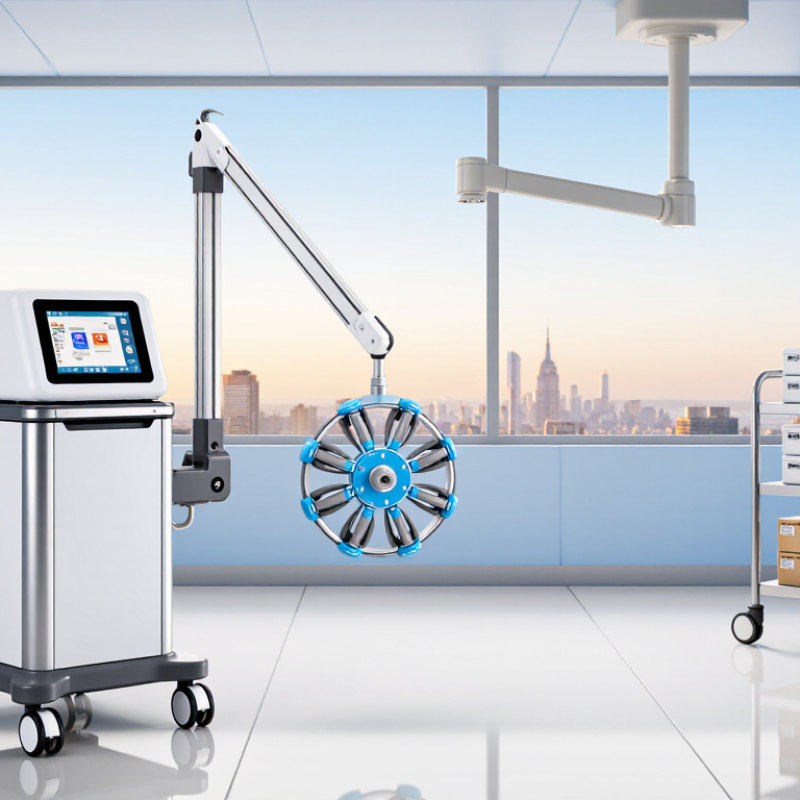
A transcranial magnetic stimulation (TMS) machine delivers brief magnetic pulses through a coil placed against the scalp. These pulses stimulate targeted brain networks without surgery or general anesthesia. The patient usually sits awake in a treatment chair while a clinician positions the coil and monitors comfort. Common treatment courses involve repeated outpatient visits, but session length and frequency depend on the device and protocol. Details matter.
TMS is used clinically for certain conditions, including depression, when a qualified clinician considers it appropriate. A 2012 multicenter naturalistic study by Carpenter and colleagues reported response in 58% of treated patients and remission in 37%. These results describe that study group, not a guaranteed outcome for an individual. Diagnosis, treatment settings, and patient history can all affect results. A machine’s price alone cannot show whether it suits a clinic; buyers should also assess training, coil options, service support, and room requirements.
Tips: Ask providers how they verify coil placement, explain risks, and track patient progress. Confirm which indications the specific device is authorized for in your region. A practical demonstration helps.
2026 Best TMS Machine Price: What Should Buyers Expect? — What Is a TMS Machine and How Is It Used?
| Topic | Typical 2026 Buyer Expectation | What It Means in Practice |
|---|---|---|
| What is a TMS machine? | A medical system that delivers magnetic pulses to targeted areas of the brain. | Transcranial magnetic stimulation (TMS) is a non-invasive treatment. The magnetic coil is positioned against the scalp; it does not require surgery or an implanted device. |
| Common clinical use | Treatment of certain mental health conditions, subject to local regulatory clearance and clinical judgment. | Use, approved indications, and treatment protocols vary by country and device. Buyers should verify applicable clearances and intended-use labeling. |
| New system purchase price | Approximately US$50,000–US$150,000 or more. | A planning range, not a fixed market quote. Configuration, included accessories, service terms, location, and procurement arrangements can materially affect the price. |
| Used or refurbished system | Often approximately US$20,000–US$80,000. | Availability and condition vary. Check age, service history, software support, coil condition, warranty, installation, and whether the system can be legally used for the intended purpose. |
| Installation and site preparation | May add several thousand dollars or more. | Ask whether delivery, room setup, staff training, electrical requirements, commissioning, and travel are included in the proposal. |
| Ongoing ownership costs | Budget for maintenance, service coverage, replacement parts, and possible coil replacement. | Request written pricing for preventive maintenance, response times, warranty exclusions, software updates, and repair or loaner arrangements. |
| Typical treatment visit | Many conventional sessions take roughly 20–40 minutes; protocol and appointment time vary. | Treatment usually involves positioning the coil and delivering a prescribed pulse pattern while the patient is awake. The clinician determines the protocol. |
| Course length and throughput | A course may involve repeated visits over several weeks; schedules depend on the treatment protocol. | When comparing systems, assess appointment capacity, room turnover, staff requirements, and the protocols permitted by the device’s labeling. |
| Key buying checks | Compare the complete cost of ownership, not only the quoted machine price. | Confirm regulatory status, clinical training, included accessories, warranty, service availability, financing terms, and total costs over the planned ownership period. |
Price ranges are broad planning estimates in U.S. dollars, not quotes. Actual prices vary by country, configuration, supplier, condition, and contract terms.
Related Posts
-
China Top 10 Home TMS Machine Manufacturers
-
How Much Does a TMS Machine Cost in 2026?
-
How Much Does a TMS Machine Cost in 2026?
-

Advantages of Understanding Tms Machine Cost for Global Buyers
-
2026 Best Portable Tms Machine Options for Effective Treatment Choices?
-
2026 Best Used TMS Machine for Sale Worldwide?