Top 7 Benefits of Transcranial Stimulation for Mental Health Improvement
Transcranial Stimulation (TS) has emerged as a transformative approach in the realm of mental health treatment, showcasing a significant potential to enhance psychological well-being and cognitive function. With approximately 1 in 5 adults experiencing mental illness in a given year, the urgent need for effective therapies has never been more pressing. Recent studies indicate that Transcranial Stimulation techniques can provide substantial relief from symptoms of depression, anxiety, and PTSD, resulting in a remarkable 50% improvement rate in patients' conditions within weeks.
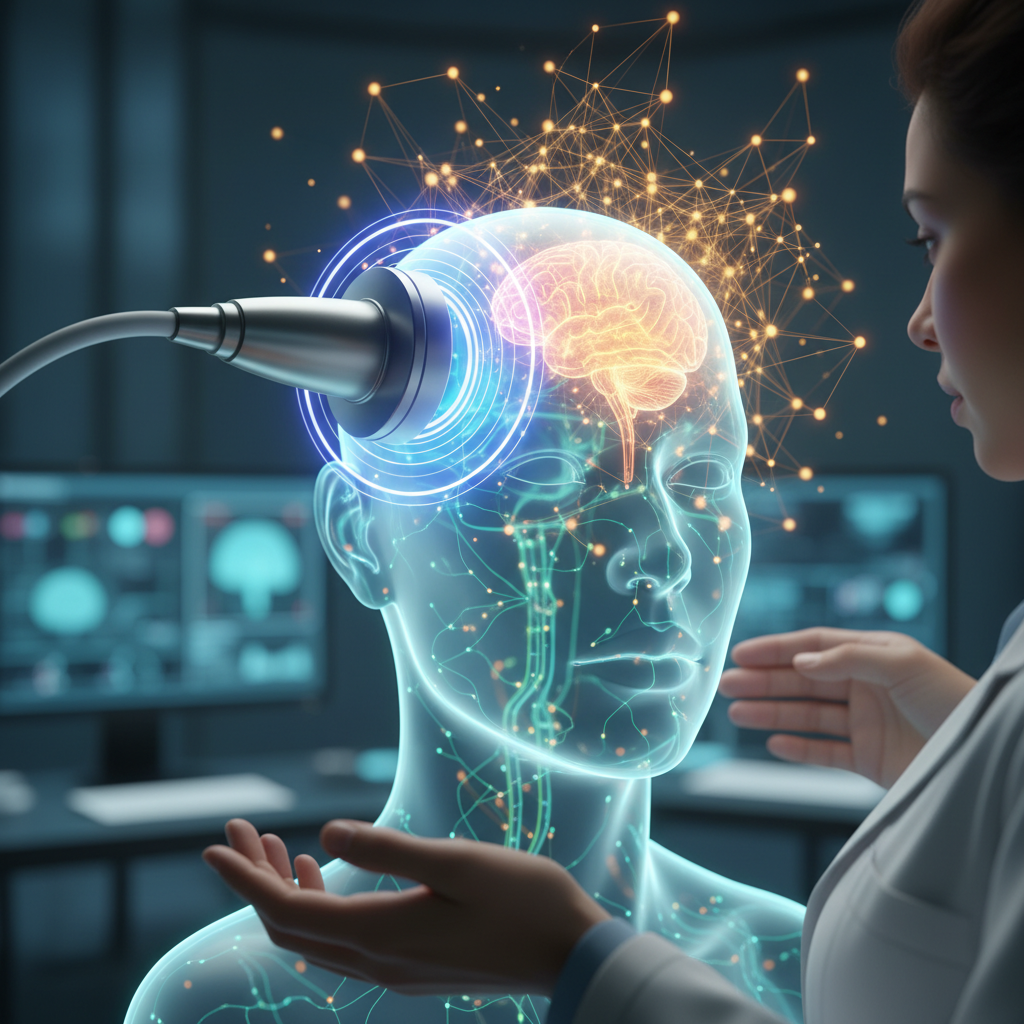
Dr. Sarah Thompson, a leading expert in neuroscience, emphasizes the significance of this innovative treatment, stating, "Transcranial Stimulation represents a paradigm shift in our understanding and management of mental health disorders, offering hope where traditional therapies may have fallen short." This therapy not only targets the neural pathways associated with mood regulation but also promotes neuroplasticity, allowing the brain to adapt and heal in ways previously thought impossible. As we delve into the top benefits of Transcranial Stimulation, it becomes increasingly clear that this method may redefine the landscape of mental health interventions, providing a beacon of hope for millions around the globe.
Understanding Transcranial Stimulation: Basics and Mechanisms
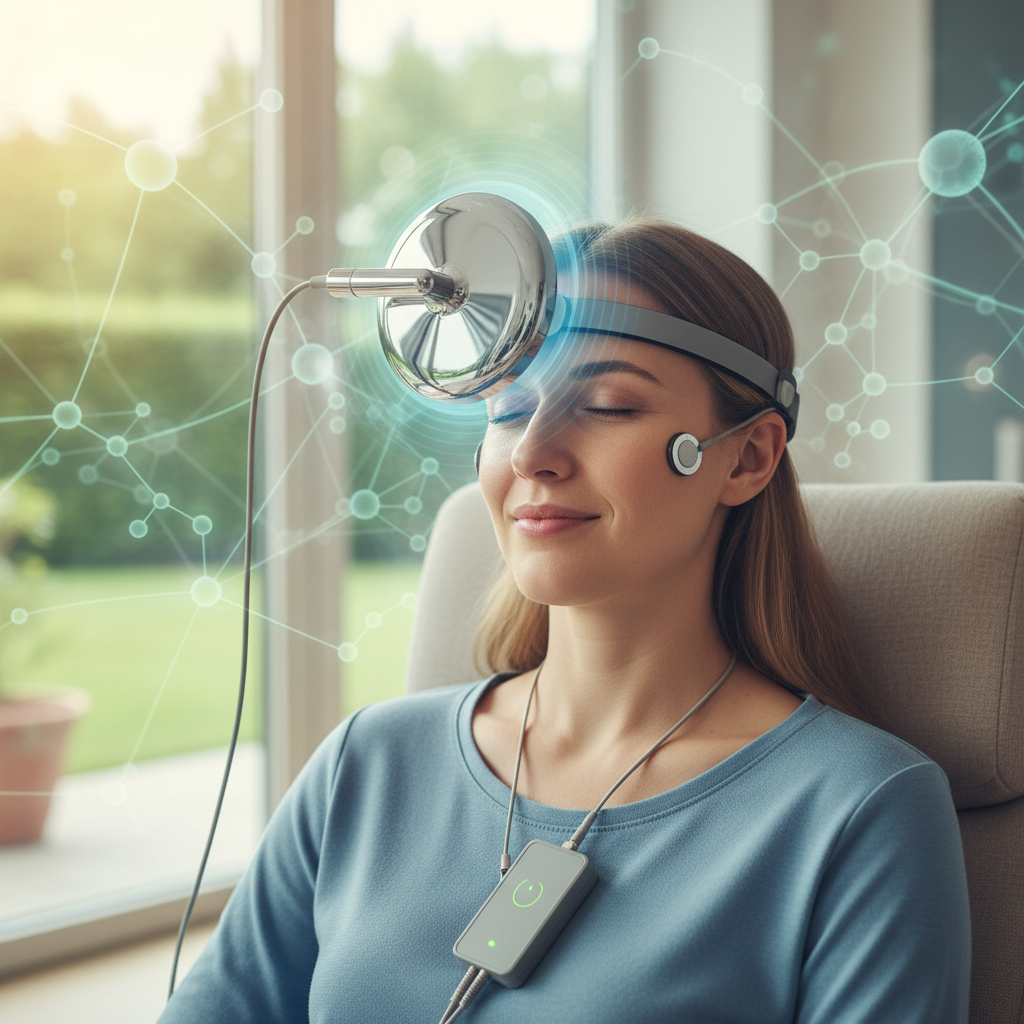
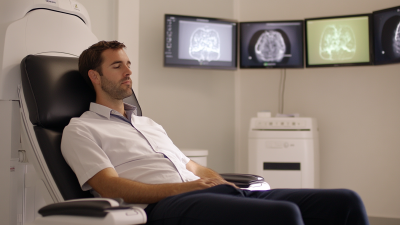
Transcranial Stimulation (TS) is a non-invasive technique that uses electrical or magnetic energy to stimulate specific areas of the brain. Primarily, it has gained attention for its potential benefits in treating various mental health disorders, including depression, anxiety, and PTSD. Understanding its mechanisms involves exploring how TS alters neuronal excitability and modulates neurotransmitter release, which can lead to improved mood and cognitive function.
When considering Transcranial Stimulation, it's essential to approach it with the right mindset. Tips for individuals interested in this therapy include consulting with a qualified mental health professional to discuss personal suitability and potential risks. It's also helpful to combine TS with other therapeutic measures, such as psychotherapy or medication, for a more holistic approach to mental health improvement.
Moreover, being patient with the process is crucial. Results may not be immediate, and some individuals may experience varying degrees of benefit. Keeping a journal of your experiences and progress can also provide valuable insights, helping both you and your therapist gauge the effectiveness of the treatment over time.
Enhancing Emotional Well-being Through Transcranial Stimulation Techniques
Transcranial stimulation techniques, such as transcranial magnetic stimulation (TMS) and transcranial direct current stimulation (tDCS), have emerged as innovative approaches in enhancing emotional well-being. By non-invasively modulating neuronal activity, these methods offer a promising avenue for individuals struggling with mood disorders, anxiety, and stress. The targeted stimulation of areas like the prefrontal cortex can lead to significant improvements in mood regulation, allowing individuals to experience a greater sense of emotional stability.
Moreover, transcranial stimulation can serve as a complementary treatment alongside conventional therapies. For patients who may not respond adequately to traditional methods, these techniques can provide additional pathways for relief and improvement. This synergy creates a holistic approach to mental health, addressing both the physiological and psychological aspects of emotional well-being. As research progresses, the potential for personalized treatment plans that incorporate transcranial stimulation continues to expand, ultimately leading to better outcomes for those seeking to enhance their mental health.
Boosting Cognitive Functions with Transcranial Stimulation Methods
Transcranial stimulation methods, including Transcranial Magnetic Stimulation (TMS) and Transcranial Direct Current Stimulation (tDCS), have gained significant attention for their potential to enhance cognitive functions. These non-invasive techniques deliver targeted stimulation to specific areas of the brain, promoting neural activity and fostering improved cognitive performance. Research has shown that such interventions can lead to enhancements in memory, attention, and problem-solving skills, making them promising tools for those seeking to boost their mental capabilities.
In addition to direct cognitive benefits, transcranial stimulation has been linked to emotional regulation and resilience. By modulating neural circuits associated with mood and anxiety, these methods can contribute to a more balanced mental state, ultimately supporting better decision-making processes. The combination of cognitive and emotional improvements opens new avenues for optimizing mental health, highlighting the relevance of these innovative approaches in both clinical settings and everyday life.
Reducing Anxiety and Depression Symptoms via Transcranial Stimulation
Transcranial stimulation is emerging as a promising non-invasive technique to alleviate symptoms of anxiety and depression. Research indicates that approximately 264 million people worldwide suffer from depression, and anxiety disorders affect around 284 million individuals, according to the World Health Organization. Transcranial Direct Current Stimulation (tDCS) and Transcranial Magnetic Stimulation (TMS) are two prevalent methods that have shown efficacy in modulating neural circuits associated with mood regulation. Studies have demonstrated that TMS can reduce depression symptoms in up to 50% of patients after several sessions, making it a compelling option for those who do not respond well to conventional therapies.
Furthermore, transcranial stimulation has been reported to induce neuroplastic changes in the brain, which contribute to the improvement of mental health outcomes. A meta-analysis published in "Psychological Medicine" highlighted that tDCS may lead to mild to moderate reductions in anxiety symptoms, with effects lasting weeks after treatment. The ability of these techniques to enhance cognitive functions while concurrently reducing emotional distress makes them invaluable in an integrated approach to mental health treatment. As research continues to evolve, transcranial stimulation stands out as a beacon of hope for individuals battling the pervasive challenges of anxiety and depression.
Exploring Long-term Mental Health Benefits of Regular Transcranial Stimulation
Transcranial stimulation, particularly transcranial magnetic stimulation (TMS), has emerged as a groundbreaking approach in mental health therapy. One of the long-term benefits of regular sessions is its ability to target specific brain regions associated with mood regulation. By modulating neuronal activity, TMS can help alleviate symptoms of depression and anxiety, providing patients with sustained relief even after treatment has concluded. This non-invasive method fosters neuroplasticity, encouraging the brain to form new connections that contribute to improved emotional resilience over time.
Another significant advantage of consistent transcranial stimulation is the improvement in cognitive functioning. Patients often report enhanced concentration, memory, and overall cognitive clarity, which can be especially beneficial for those suffering from mental health disorders that impair cognitive skills. Over an extended period, this cognitive enhancement can lead to increased productivity and a better quality of life, allowing individuals to pursue personal and professional goals with renewed vigor. As research continues to unfold, the promising long-term mental health benefits of transcranial stimulation are becoming increasingly evident, marking it as a vital tool in the ongoing fight against mental health issues.