
Contact Us

Phone
08 8294 8664

Email
sale@awdmedical.com

Address

What Are the Top Uses of PromaCare Squalene?

PromaCare Squalene is best understood through its role in a finished formula, not its name alone. Squalene is a naturally occurring lipid, while cosmetic formulations must also account for ingredient grade, stability, and compatibility. Grand View Research estimated the global squalene market at USD 153.6 million in 2022 and projected 6.9% annual growth through 2030. That estimate signals commercial interest; it does not prove that every squalene product delivers the same results.

In skincare, squalene is commonly used as an emollient and skin-conditioning ingredient. It can help give creams and serums a smooth, supple feel. Picture a lightweight lotion spread across dry hands: the sensory finish matters, but so do the full ingredient list and the product’s stability. Cosmetic dermatologist and researcher Dr. Zoe Diana Draelos has emphasized the importance of evaluating cosmetic ingredients in the context of the finished formulation. Her perspective offers a useful guide: ingredient performance depends on more than a headline claim.

This introduction sets up a practical look at the top uses of PromaCare Squalene, including its place in moisturizers, serums, and other personal-care formulas. The details matter. Brand-specific performance claims should be checked against supplier documentation and product testing, not inferred from market growth alone. Some questions remain formulation-specific, and that deserves attention.
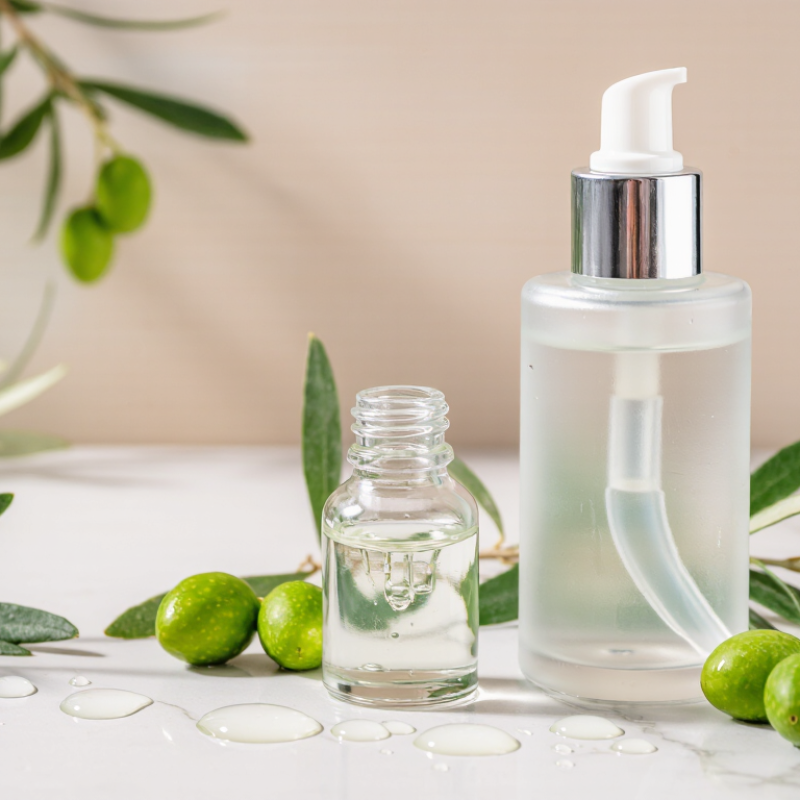
What Are the Top Uses of PromaCare Squalene?

PromaCare Squalene Profile: C₃₀H₅₀, 410.72 g/mol, and Six Double Bonds

Squalene has the molecular formula C₃₀H₅₀ and a molecular mass of 410.72 g/mol. Its structure contains six carbon–carbon double bonds. That detail matters. The bonds make squalene highly unsaturated, which can leave it more vulnerable to oxidation than saturated oils. In a cosmetic formula, exposure to air, heat, and light may affect stability, so ingredient handling and packaging deserve attention.

On skin, squalene is used as an emollient: it helps soften the surface and can give creams or oils a smooth, silky feel. A small amount may help reduce the dry, tight sensation after washing, though results depend on the full formula and the person using it. It can also contribute to the slip of facial oils and moisturizers. Not magic. Just one useful component.

Formulators may compare it with squalane, a hydrogenated form with fewer reactive double bonds and generally greater oxidative stability. The choice involves trade-offs in texture, stability, and sourcing. A molecule’s specifications do not guarantee how a finished product will feel or perform. That part is easy to overlook. Testing the complete formula under realistic storage conditions remains important.

Skin Conditioning: Squalene Makes Up About 10–15% of Human Sebum

Human sebum is a working skin lubricant, not simply excess oil. Squalene typically accounts for about 10–15% of its lipid mixture. A dermatology review reports roughly 12%, alongside triglycerides and wax esters (Pappas, Dermato-Endocrinology, 2009). That proportion helps explain why squalene is used as a skin-conditioning ingredient: it can soften the feel of dry skin and add a smooth, flexible finish. A small amount spread across the back of a hand may feel light rather than waxy. The result depends on the whole formula, though, not one ingredient alone.

Sebum composition varies with factors such as age and skin condition, so the 10–15% figure is a useful reference, not a personal target. Not a cure-all. Squalene is also oxidation-prone, a practical limitation noted in cosmetic formulation literature; stable formulas must account for exposure to air and light. This matters on a bathroom shelf, where an open container may meet both. Skin conditioning is therefore best understood as a sensory and moisturizing role, not proof that a product restores the skin’s natural sebum balance. Pappas’s review and Picardo and colleagues’ analysis of sebaceous lipids (Dermato-Endocrinology, 2009) provide useful context for interpreting that role.

Moisturizing Formulas: Use Squalene as an Oil-Phase Emollient

Moisturizing Formulas: Use Squalene as an Oil-Phase Emollient

In a moisturizing formula, squalene can soften skin and improve glide as part of the oil phase. Its lipid-like character helps it blend with other oils, giving creams a smoother spread and leaving a supple, non-powdery feel. A review of human sebum composition reports that squalene makes up roughly 10–12% of sebum lipids (Picardo et al., Dermato-Endocrinology, 2009). That figure offers useful context: squalene is a familiar component of skin surface lipids, though it does not prove a finished product will work the same way on every person.

For formulation work, add it to the oil phase and assess the finished texture, stability, and skin feel. A light lotion may need only enough to ease drag; a richer cream can use it alongside heavier emollients for a softer finish. Small details matter. Squalene is more oxidation-prone than its saturated counterpart, squalane, so formulators should evaluate antioxidant protection and packaging under realistic storage conditions. An early sample can smell and feel fine, then change over time. Check it again. Sensory testing and stability data help guide the final level, while claims should stay limited to effects supported by the finished product’s testing.

Hair Care: Use Squalene to Add Slip and a Soft Feel

Squalene can give hair a smoother glide during combing and a softer touch after styling. In a conditioner or serum, its oily film may help reduce the rough, draggy feel of dry lengths, especially at the ends. Use a small amount: too much can leave fine hair looking flat. The effect also depends on the full formula, not one ingredient alone. Cosmetics Europe’s 2023 market report puts hair care at about 16% of cosmetics sales in Europe, reflecting the category’s importance to everyday routines.

Hair-science references describe lubrication as one way to reduce friction between fibers; it does not rebuild damaged bonds. Squalene is also less oxidation-stable than its saturated counterpart, squalane, so formula design and storage matter. Still, softness is not repair. Apply a leave-in product to damp hair, then comb gently from the ends upward. Notice whether strands feel easier to separate, rather than judging only by shine. Results vary with hair texture, product concentration, and the other conditioning agents in the formula. A little can help. Too much may feel greasy.

Formula Stability: Account for Squalene’s Susceptibility to Oxidation

What Are the Top Uses of Squalene?

Squalene is used as an emollient in creams, lotions, and facial oils, where it helps soften skin and improve spreadability. Its light, fluid feel can suit formulas designed to leave less of a heavy, waxy finish. But formula stability needs attention. The Cosmetic Ingredient Review Expert Panel’s safety assessment describes squalene as C30H50, with six carbon–carbon double bonds. Those bonds make it vulnerable to oxidation during exposure to oxygen, heat, and light. Small changes can matter.

Keep it protected. Use opaque, tightly sealed packaging, limit air exposure during production, and consider adding a compatible antioxidant. Test the finished formula over time, not just the fresh batch. ISO 3960:2017 describes a method for measuring peroxide value in fats and oils; this can help track early oxidation, though it does not replace sensory and stability testing. A rancid odor or yellowing may signal a problem, but visible changes are not always early warnings. There is no single shelf-life figure that fits every formula. Packaging, storage, and the surrounding ingredients all affect the result. A bench test helps, but real-world handling can still surprise you.