Top 10 Capsule Machine Manufacturers for Global Buyers
Choosing a Capsule Machine is not simply a matter of comparing production speeds. Global buyers also need to assess dosing consistency, changeover time, cleaning access, operator controls, and the supplier’s service capability. A machine that looks impressive in a brochure may not fit the buyer’s actual product range or production schedule. Details matter.
Quality-management expert W. Edwards Deming offered a useful reminder: “A bad system will beat a good person every time.” His systems-focused principle applies to equipment purchasing: machine performance depends on more than the machine itself. Installation, training, maintenance, spare-parts access, and clear documentation all shape dependable operation. Buyers should ask specific questions, such as how long a format change takes and which components require routine inspection.
This Top 10 guide introduces Capsule Machine manufacturers for buyers comparing options across international markets. It considers practical factors such as equipment range, customization, technical support, and the information manufacturers provide before a purchase. It is a starting point, not a universal ranking. A supplier suited to a high-volume facility may not suit a smaller plant with frequent product changes. Nor does a polished website prove responsive service. Ask for relevant specifications, discuss your operating needs, and verify claims directly with each manufacturer. Some answers may remain uncertain until a site assessment or detailed technical review. That uncertainty deserves attention, not a rushed decision.
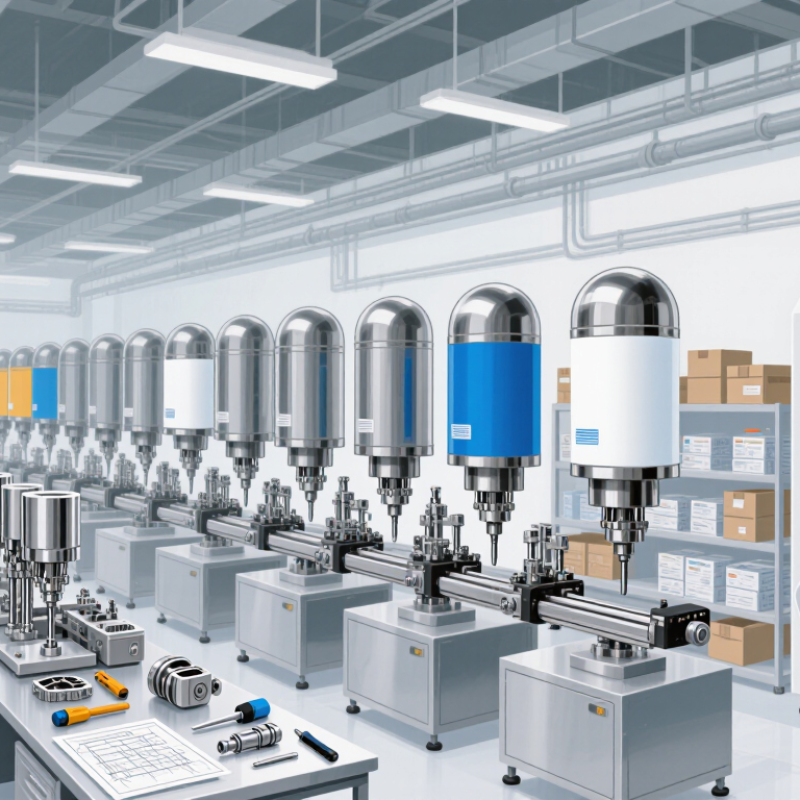
Capsule-Filling Machines Explained: Hard-Shell Formats and Sizes 000–5
Hard-shell capsules use two pieces: a longer body and a shorter cap. A filling machine separates them, doses the body, then closes the shell. Common commercial sizes run from 000, the largest, to 5, the smallest. The scale is not a direct measure of fill weight. Actual capacity depends on shell dimensions, powder density, and how the powder settles.
That distinction matters on the production floor. A free-flowing powder may fill differently from a fine, cohesive blend, even in the same capsule size. Operators check shell dimensions and test fill weights before setting dosing volume or tamping depth. Small adjustments matter. Powder can bridge in a hopper; overly firm tamping can also affect closing. Shell dimensions may vary slightly by material and supplier, so generic size charts are only a starting point.
Demand for empty capsules is growing alongside the need for flexible dosage formats. Grand View Research estimated the global empty-capsule market at USD 2.1 billion in 2022 and projected a 7.5% compound annual growth rate from 2023 to 2030. That figure gives useful context, but it does not tell a buyer which machine will fit a specific line. Verify compatible sizes, change-part requirements, and trial results with the actual shell and formulation. One caveat: these checks take time, and skipping them can make an apparently suitable machine less suitable in practice.
Production Capacity Benchmarks: Comparing Rated Capsules per Hour
Rated capsule output is a comparison point, not a promise of saleable production. Published machine specifications commonly place semi-automatic systems around 10,000–30,000 capsules per hour and high-speed automatic systems around 60,000–200,000. Treat these as screening ranges, not a universal industry benchmark: capsule size, powder flow, tooling, and operator intervention all change the result. Public market reports generally track equipment revenue, not independently verified capsules per hour.
Ask suppliers to define the test conditions behind each rated figure. Was the machine running the buyer’s capsule size and formulation, or an easier reference material? FDA’s 2011 Process Validation guidance emphasizes evidence across process design, qualification, and continued verification; a nameplate rate alone does not establish routine output. Compare factory acceptance test results with sustained production logs, reject rates, and changeover time. Watch the counter. A line rated at 120,000 capsules per hour may deliver less after stoppages and quality checks, and the gap can be easy to underestimate. ISPE commissioning and qualification guidance also supports documenting equipment performance under specified operating conditions. A useful benchmark is therefore both the rated speed and the verified rate maintained over a representative run.
Compliance Criteria: 21 CFR Part 211, EU GMP, and USP <905>
For global buyers, capsule-machine selection should begin with evidence, not brochure speed. Under 21 CFR Part 211, equipment must suit its intended use and support cleaning, maintenance, and reliable operation. Ask for material specifications, contact-surface details, cleaning instructions, and service records. Check whether change parts can be removed without hidden powder traps. Small design gaps matter.
EU GMP expectations also make qualification and documented change control important. Request installation and operational qualification protocols, calibration records, and clear acceptance criteria. A supplier’s documents can support your quality system, but they do not replace site-specific qualification. Test the machine with your actual capsule size and formulation. Record fill-weight variation, stoppages, and cleaning time. Real production is less tidy than a demonstration.
USP <905> addresses uniformity of dosage units, not machine certification. Buyers should confirm how finished batches will be assessed using applicable compendial procedures and approved sampling plans. Ask manufacturers what data their equipment can capture, such as individual fill weights or reject counts, and how those records are retained. Then review the limits with quality staff. A fast line is useful, but it proves little about dose uniformity by itself. One overlooked point: supplier claims may sound precise while leaving test conditions unclear. Request the conditions in writing.
Top 10 Capsule Machine Manufacturers: Models, Automation, and Service
A useful top-ten comparison should look beyond advertised output. Capsule machine models range from compact semi-automatic units to high-speed, fully integrated lines. Match the model to your batch size, capsule format, and available floor space. Ask suppliers to demonstrate changeover using the parts and settings your operators will actually handle. A clean brochure is not a factory test.
Tips: Request a written test protocol, spare-parts list, and service response times. Check which components are standard and which require extra tooling. Small details matter.
Automation can reduce repetitive handling, but it also adds sensors, controls, and maintenance tasks. Compare inspection systems, reject handling, and data records alongside rated speed. Ask how technicians diagnose faults remotely and whether training is available in your working hours. For global buyers, clarify shipping, installation, language support, and local parts access before signing. Even a careful scorecard has blind spots; one supplier visit may not reveal long-term service quality. Keep notes from demonstrations, and verify key promises in writing.
Global Buyer Checklist: Validate Output, Changeovers, and Lifecycle Cost
A capsule machine’s nameplate speed is a starting point, not a buying decision. Ask for sustained output using your capsule size, fill weight, and approved product formulation. Request a timed factory or site acceptance run, including rejects and stoppages. Track good capsules per hour, not theoretical cycles. OEE benchmark guidance often cites 85% as world-class and 60% as a common operating level. These are cross-industry reference points, not capsule-line guarantees. The gap makes a useful question: what losses explain the difference?
Changeovers deserve the same scrutiny. Time a real change from the last acceptable capsule of one format to the first acceptable capsule of another. Include tooling swaps, cleaning, adjustment, and quality checks. Record how many operators are needed. Then compare the result with your weekly production schedule; a fast changeover may matter more than peak speed. Ask for documented wear-part intervals, service response assumptions, and energy use. Build a lifecycle-cost model covering purchase, installation, training, maintenance, and downtime. Keep it practical. One detail is easy to miss: your team’s cleaning method can change the time and labor required. Ask operators to review the trial, and preserve the raw results, even when they complicate the sales case.
Capsule Machine Buyer Checklist: Required Output by Shift Plan
Illustrative planning calculation for a demand of 1,000,000 capsules per day, using 8-hour shifts. These are calculated requirements, not manufacturer performance claims.
How to use it: Compare each machine’s supplier-verified usable output—not just rated speed—with the shift plan you expect to run. Confirm changeover time and product-change requirements, then compare lifecycle costs such as installation, tooling, maintenance, and spare parts. The calculation excludes downtime, rejects, and changeovers, so allow for them when setting your actual capacity requirement.