Top 10 Animal Studies You Should Know About?
Animal studies have profoundly shaped our understanding of human health and behavior. Dr. Jane Goodall, a renowned primatologist, once stated, "What you do makes a difference, and you have to decide what kind of difference you want to make." This thought encourages us to explore the impact of animal research on various fields, from medicine to psychology. Each study reveals intricate links between animals and humans, reflecting both our similarities and differences.
The ethical implications of animal studies often spark debate. Critics argue that the potential for suffering must be weighed against possible human benefits. Yet, supporters highlight how these studies have led to significant medical breakthroughs. Consider how insulin was developed through animal research. It transformed diabetes treatment and saved countless lives.
As we delve into the top ten animal studies worth knowing, we must reflect on what drives these explorations. Each study tells a story, shedding light on our own existence while reminding us to tread carefully in the pursuit of knowledge. The journey of Animal study is not just about scientific advancement; it is about empathy, responsibility, and the choices we make as a society.
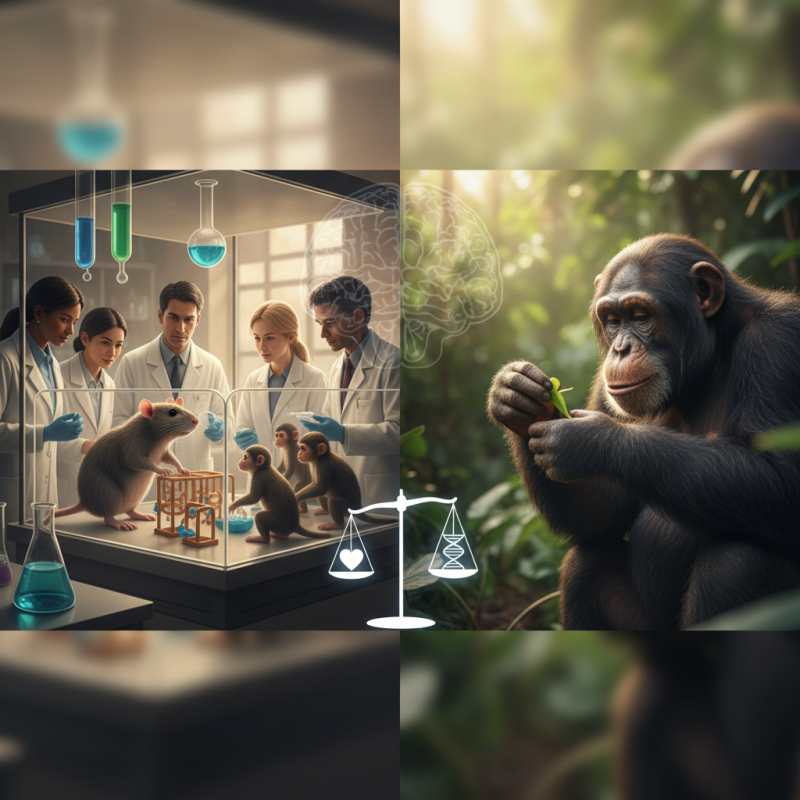
Top 10 Animal Studies Revolutionizing Our Understanding of Behavior
Animal studies have greatly enhanced our understanding of behavior. Research shows that animals can reveal complex emotional responses. For example, studies on elephants have demonstrated their ability to grieve. This challenges our view of non-human emotions.
Moreover, sociobiology and ethology have unraveled social behaviors in various species. For instance, honeybees communicate through dances. Their behavior reflects a sophistication previously underestimated by scientists. Evidence indicates that these social interactions are essential for survival.
**Tips:** Observe animals in natural settings. Consider how their behaviors might mirror human emotions. Reflect on the ethics of studying animals—are we doing enough to ensure their well-being?
Additionally, research on dolphins highlights their problem-solving skills. These intelligent creatures exhibit self-awareness. This finding reshapes our perception of intelligence across species. Yet, the implications of such studies raise important ethical questions.
**Tips:** Engage with animal behavior literature. Explore how societal norms influence our treatment of animals. Challenge the idea of species hierarchy in intelligence and emotional depth.
The Impact of Animal Studies on Conservation Efforts and Biodiversity
Animal studies play a crucial role in conservation efforts worldwide. Research in this field has shown that understanding animal behavior and ecology can lead to effective strategies for preserving biodiversity. For instance, studies indicate that habitat loss is one of the leading threats to wildlife, contributing to the decline of 1 million species globally. This stark fact highlights the urgency for more research.
Moreover, animal studies help inform conservation policies. A report by the International Union for Conservation of Nature suggests that integrating animal behavior research into conservation strategies can enhance species recovery rates. For example, monitoring migration patterns can guide habitat restoration projects. In some cases, reintroducing species to their native environments has led to unexpected challenges, reminding us that not all initiatives yield positive results.
Yet, not all is ideal in animal studies. Ethical dilemmas arise when balancing research needs and animal welfare. Some methodologies may cause distress to animals, leading to questions about their long-term impact on populations. These reflections push researchers to seek more humane and effective research techniques. Understanding the complexities of animal studies is essential for advancing conservation efforts while considering the well-being of the creatures involved.
Impact of Animal Studies on Conservation Efforts
How Animal Studies Contribute to Medical Advances and Human Health
Animal studies play a vital role in medical research. They provide insights that impact human health significantly. For instance, researchers often use mice to study genetic diseases. This helps in understanding conditions like diabetes and cancer. Observing animal behavior also reveals how stress affects health. Such studies are crucial in testing new treatments before human trials.
However, there are ethical concerns surrounding animal testing. Critics argue that it's inhumane. Some animal studies may not replicate human responses accurately. This raises questions about the validity of findings. Despite these issues, animal models have led to breakthroughs in medicine. Vaccines and life-saving drugs often originate from animal research. The challenge remains to balance ethical considerations with scientific progress.
Animal Cognition: Groundbreaking Research on Intelligence Across Species
Animal cognition is a fascinating field, revealing the depths of intelligence across various species. Recent studies show that certain animals can problem-solve in surprising ways. For example, octopuses have demonstrated remarkable skills in escaping enclosures. According to a report from the Journal of Experimental Biology, these creatures can even manipulate objects to achieve their goals.
Birds like crows and parrots exhibit impressive cognitive abilities as well. Research indicates that crows can use tools and recognize themselves in mirrors, suggesting a sophisticated level of self-awareness. A study from the University of Cambridge highlights that some species of parrots have similar problem-solving capabilities to a five-year-old child. Such findings challenge our understanding of animal intelligence, leaving us to question traditional views.
Additionally, dolphins and elephants display complex social behaviors. These animals form intricate relationships and communicate in unique ways. Observations from marine biologists indicate that dolphins can work collaboratively to hunt, showcasing their advanced social cognition. Elephants exhibit empathy and mourning rituals, deepening our appreciation for their emotional intelligence. Reflecting on these studies is essential as we continue to explore the breadth of cognitive abilities across species.
Top 10 Animal Studies You Should Know About - Animal Cognition
| Study Title | Species | Key Findings | Year Published |
| The Mirror Test in Primates | Great Apes | Evidence of self-recognition | 1970 |
| Cognitive Abilities of Crows | Crows | Tool use and problem-solving | 2014 |
| Dolphin Communication Skills | Bottlenose Dolphins | Complex vocalizations | 2005 |
| Elephant Memory Studies | Asian Elephants | Remarkable long-term memory | 2008 |
| Octopus Problem-Solving | Common Octopus | Escape behavior and intelligence | 2010 |
| Dog Social Intelligence | Domestic Dogs | Understanding human cues | 2004 |
| African Grey Parrots' Language Skills | African Grey Parrots | Ability to use words meaningfully | 1999 |
| Rats and Empathy | Rats | Helping behavior in distress | 2011 |
| Honeybee Communication | Honeybees | Waggle dance to indicate food sources | 1973 |
| Social Learning in Fish | Cichlids | Imitation and group learning | 2007 |
Ethical Considerations and the Future of Animal Research Practices
Animal research plays a pivotal role in advancing medical knowledge. However, ethical considerations are crucial in this field. In 2021, around 92% of pharmaceutical products that enter human trials fail, often due to safety concerns. This statistic raises questions about the methods and practices used in animal research.
The welfare of these animals must be prioritized. Current guidelines suggest implementing the "Three Rs": Replacement, Reduction, and Refinement. These principles aim to minimize animal use and enhance their welfare. However, many researchers still rely on outdated methods. According to a 2020 report, 63% of researchers believe ethical considerations have improved, but transparency remains low. Many institutions lack comprehensive ethical review processes.
Furthermore, as technology advances, alternatives to animal testing are emerging. In vitro methods and computer modeling offer promising results. Yet, the transition is slow. A 2019 study indicated that only 15% of researchers actively use these alternatives. It is essential to foster a culture of ethical responsibility. This change is not just beneficial; it is necessary for the future integrity of scientific research. Balancing scientific advancement and animal welfare is complex, but it is a discussion worth pursuing.