What is a Tms Machine and How to Buy One?
Transcranial Magnetic Stimulation (TMS) is revolutionizing mental health treatment. The global TMS machine market is projected to reach USD 1.2 billion by 2027. As more clinics adopt this technology, the need to buy TMS machines is increasing. Nearly 70% of patients show improvement in depression symptoms after TMS therapy.
When considering to buy TMS machines, potential buyers should think carefully. Selecting the right model ensures effective treatment. Not all machines offer the same capabilities. Some have advanced features while others cater to basic needs. It's crucial to prioritize quality over cost.
In addition, training for staff is essential. Proper use of TMS technology maximizes patient outcomes. Yet, many clinics overlook this aspect. It’s a common pitfall in the industry. With the rising demand for TMS therapy, investing in the right equipment becomes more vital. It’s not just about the purchase; it’s about integrating TMS effectively into practice.
What is a TMS Machine?
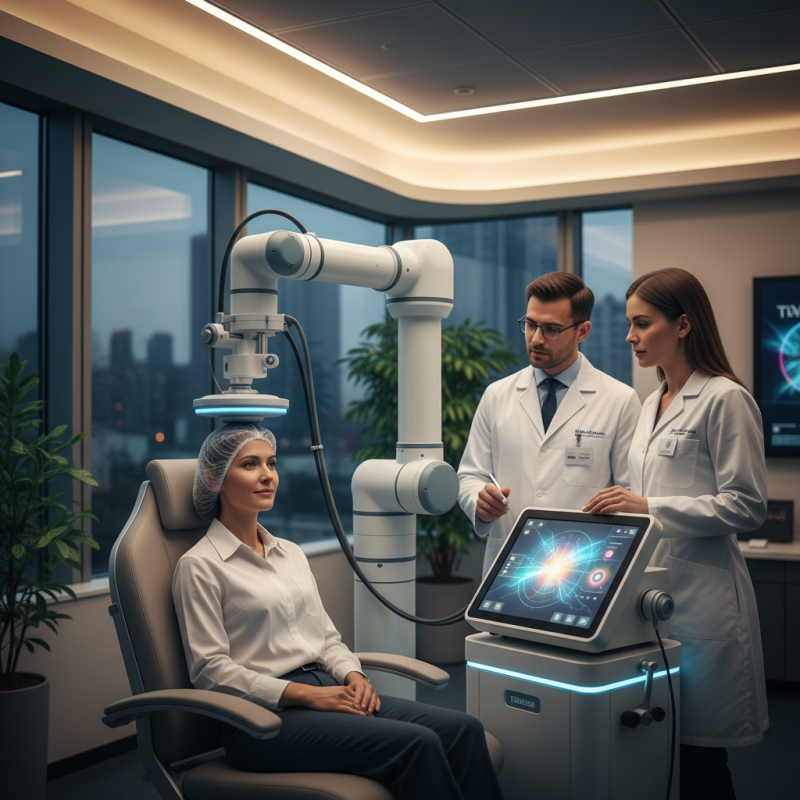
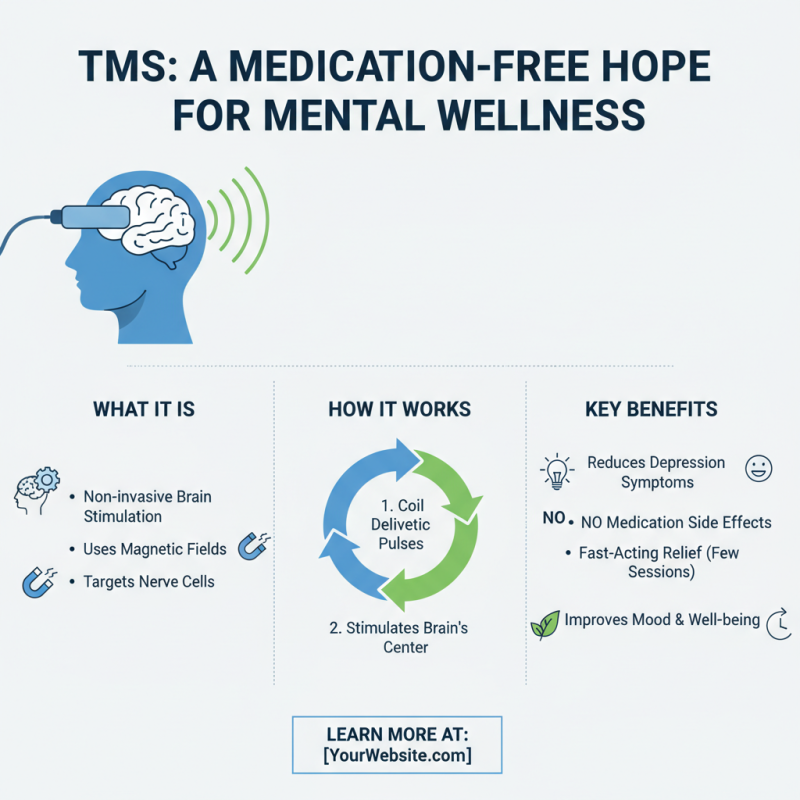
A TMS machine, or Transcranial Magnetic Stimulation machine, is a device used for non-invasive brain stimulation. It utilizes magnetic fields to stimulate nerve cells in the brain. This technology is often explored for treating conditions like depression or anxiety. Users can experience various sensations during treatment, from a gentle tapping feeling to mild discomfort.
Using a TMS machine requires understanding its functionalities. These devices come equipped with different settings and stimulation protocols. Patients typically attend multiple sessions over several weeks. Each session may last around 30 to 40 minutes. It's essential to discuss individual needs with a qualified professional before starting. Not everyone may respond positively to TMS therapy. Some report minimal improvements, while others see significant changes.
Purchasing a TMS machine is not just about choosing a model. Consider the space requirements and setup. Costs can vary widely, making budgeting crucial. It's also essential to think about training staff for operation. The learning curve can be steep, and effectiveness relies on proper use. Research is vital to ensure that you make informed choices. Understanding how TMS fits into a broader treatment plan is key. Many questions remain about its long-term efficacy.
Key Features and Technologies of TMS Machines
TMS machines, or Transcranial Magnetic Stimulation machines, are innovative devices used primarily in mental health treatment. They work by using magnetic fields to stimulate nerve cells in the brain. This technique shows promise for conditions like depression. According to recent industry reports, the global TMS market is projected to reach $1.3 billion by 2025, reflecting the growing interest in non-invasive treatment options.
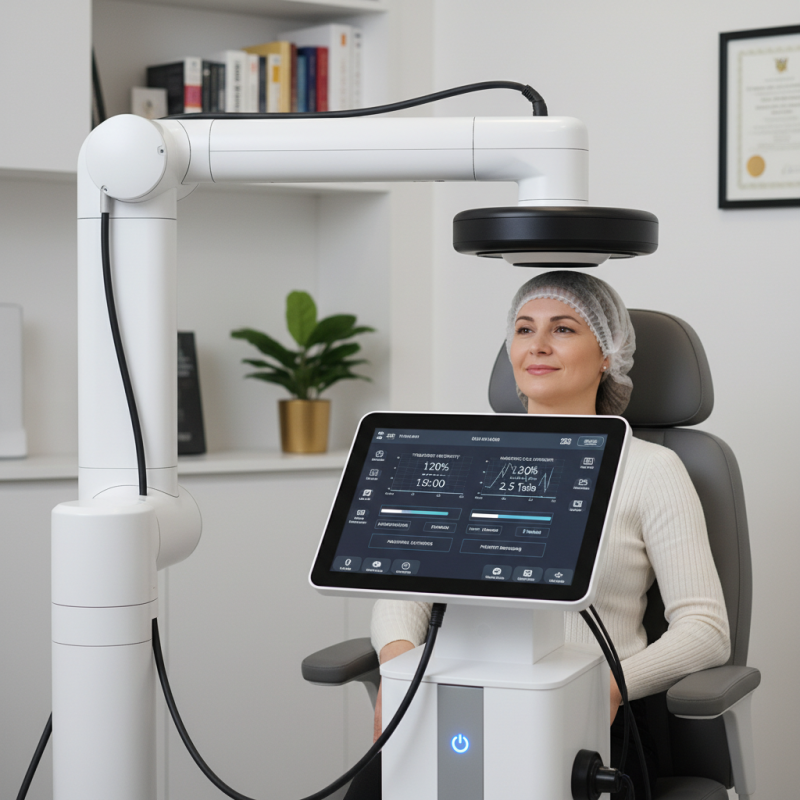
Key features of TMS machines include adjustable magnetic field intensity and treatment protocols tailored to individual patient needs. Most devices operate with a focal point that can be customized based on the treatment area. Additionally, the integration of real-time neuromapping technologies is a game-changer. This allows for precise targeting of specific brain regions. However, not all TMS devices offer these capabilities. It is essential to scrutinize the specifications.
When considering a TMS machine purchase, think about the ergonomics and usability. User-friendly interfaces can enhance the treatment process. Also, some machines require extensive training. The learning curve can be steep, leading to treatment delays. Evaluating these factors is vital. Choices that seem solid may not meet all clinical needs. Opt for machines that provide robust clinical support and training to avoid potential pitfalls.
Benefits of Using a TMS Machine for Treatment
Transcranial Magnetic Stimulation (TMS) machines offer a non-invasive way to treat mental health conditions. These devices work by using magnetic fields to stimulate nerve cells in the brain. One significant benefit is their ability to reduce symptoms of depression without medication. Some patients experience relief after just a few sessions.
Using a TMS machine can also lead to fewer side effects. Unlike traditional antidepressants, TMS does not typically result in weight gain or sedation. This makes it a preferred choice for those seeking an alternative. Moreover, TMS treatment is often tailored to individual needs, enhancing its effectiveness.
However, not everyone responds positively to TMS. Some may find the sessions uncomfortable or experience mild headaches afterward. It's essential to discuss potential outcomes and set realistic expectations. The decision to use a TMS machine should involve careful consideration. Each patient’s response is unique, and ongoing evaluation is vital.
Factors to Consider When Buying a TMS Machine
When considering the purchase of a TMS machine, several key factors come into play. First, assess the machine’s specifications. Look for features like treatment intensity, session duration, and magnetic field strength. According to industry reports, machines with higher intensity and adjustable settings often yield better patient outcomes.
Budget is another crucial aspect. Prices for TMS machines vary significantly. Some models may offer advanced features at a higher cost, while basic models could meet your needs at a lower price point. Ensure to evaluate the warranty and service agreements too. A reliable after-sales service can be invaluable, as maintenance needs may arise.
Tips: Before buying, always request a demo. This allows you to understand the user interface and machine operation. Also, consult with professionals who own TMS machines. Their insights are often revealing and can highlight potential pitfalls. Reflections on your needs and goals can help align your purchase with expected outcomes.
Where to Purchase TMS Machines: Options and Recommendations
When considering the purchase of a Transcranial Magnetic Stimulation (TMS) machine, numerous options exist. Many online retailers specialize in medical devices. It's crucial to research each option thoroughly. Look for sellers with solid reviews and detailed product descriptions. User testimonials can provide valuable insight into machine performance.
Physical locations can offer a personal touch. Visiting a medical supply store allows for direct questions. You can inspect the machines closely. Engage with knowledgeable staff for advice. They often have experience with various devices. However, inventory might vary between locations.
Prices can differ significantly. Some machines come with additional features. Weigh the pros and cons carefully. Warranty and customer support should also factor into your decision. In this evolving field, technology and offerings are constantly changing. Be prepared to reassess choices frequently. Finding the right TMS machine requires patience and diligence.