Top 10 Uses of Sodium Hypochlorite for Global Buyers?
Sodium Hypochlorite is a powerful chemical compound widely used across various industries. Its versatility makes it a staple for global buyers. From disinfection to bleaching, its applications are vast and impactful. Many underestimate its potential and focus solely on its use in cleaning products. However, Sodium Hypochlorite serves numerous purposes that extend beyond hygiene.
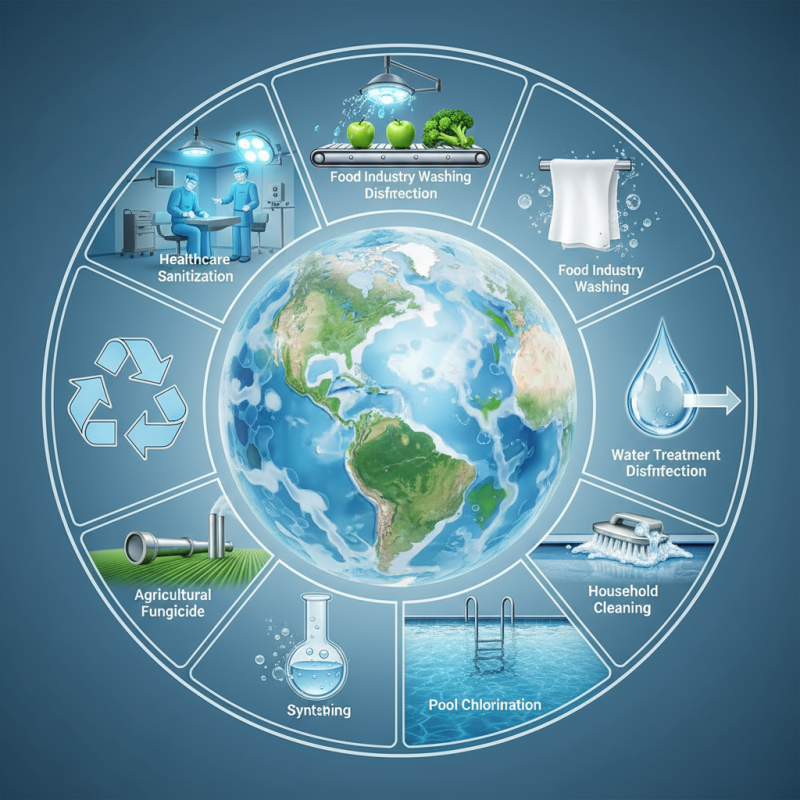
In healthcare settings, Sodium Hypochlorite is essential for sanitizing surfaces and tools. It effectively eliminates harmful pathogens, ensuring a safe environment. In the food industry, it plays a crucial role in washing fruits and vegetables. This prevents contamination, promoting consumer safety. Yet, the improper use of Sodium Hypochlorite can lead to adverse effects, raising questions about best practices.
Furthermore, in water treatment processes, Sodium Hypochlorite acts as a disinfectant, enhancing water quality. Its role in waste management also cannot be overlooked. Despite its benefits, users must be cautious and informed. The need for a balanced approach to using Sodium Hypochlorite is clear. Understanding both its advantages and potential risks can lead to more sustainable practices.
Top 10 Uses of Sodium Hypochlorite in Water Treatment
Sodium hypochlorite is widely used in water treatment due to its strong disinfection properties. It effectively eliminates bacteria, viruses, and other pathogens in municipal water supplies. By adding a controlled amount of sodium hypochlorite, water treatment facilities can ensure safe drinking water for communities. This chemical is particularly effective in combating waterborne diseases.
In addition to disinfection, sodium hypochlorite aids in oxidizing organic materials and removing color from water. Its oxidizing capability helps in breaking down unpleasant odors and improving overall water quality. However, using sodium hypochlorite requires careful monitoring. An excess can lead to harmful byproducts that may affect aquatic ecosystems. Facilities must strike a balance, ensuring effective treatment while minimizing risks.
Sodium hypochlorite is less stable than other disinfectants, raising concerns about its long-term efficiency. It can degrade over time, especially when exposed to light and heat. Water treatment plants must periodically assess and adjust their treatment methods to maintain optimal effectiveness. This ongoing evaluation reflects the importance of flexibility and adaptation in water treatment processes.
Sodium Hypochlorite as a Disinfectant in Healthcare Settings
Sodium hypochlorite is widely recognized for its disinfectant properties in healthcare settings. Its ability to eliminate bacteria, viruses, and fungi makes it essential for maintaining hygiene in hospitals. Solutions typically range from 0.1% to 0.5% concentration for safe and effective use. Many healthcare facilities rely on sodium hypochlorite for surface disinfection, sanitizing medical equipment, and even water treatment.
Despite its effectiveness, sodium hypochlorite can cause issues if not used correctly. Over-concentration may lead to corrosive effects on surfaces or equipment. Additionally, improper mixing or application can create harmful fumes. Training staff on safe handling practices is crucial. Regular audits can help ensure compliance and safety in using this powerful disinfectant.
Awareness of potential side effects is necessary. Repeated exposure can irritate skin and respiratory systems. Monitoring usage helps mitigate health risks for healthcare workers. Creating a balance between effective disinfection and safety is vital. Innovation in application methods may also enhance efficacy while minimizing drawbacks.
Applications of Sodium Hypochlorite in Food Safety and Preservation
Sodium hypochlorite is widely regarded for its role in food safety and preservation. It serves as a powerful disinfectant and sanitizer, effectively reducing pathogens on various food surfaces. According to a report by the Food Safety Authority, a 200 ppm solution of sodium hypochlorite can kill 99.9% of bacteria within seconds. This makes it an integral component in food processing facilities.
Foodborne illnesses remain a global concern. The Centers for Disease Control and Prevention (CDC) estimates that each year, about 48 million people get sick from foodborne diseases in the United States alone. Sodium hypochlorite's ability to sanitize equipment and surfaces significantly lowers the risk of contamination. However, its application must be carefully managed. Overuse can lead to chemical residues, which can be harmful.
In post-harvest preservation, sodium hypochlorite can also extend the shelf life of fruits and vegetables. By treating produce with a dilute solution, growers reduce spoilage caused by molds and yeasts. Still, there is a debate about optimal concentrations. Excessive use may lead to waste, affecting fresh produce quality. Continued research is necessary to find the right balance for maximizing efficiency while ensuring safety.
Top 10 Uses of Sodium Hypochlorite for Global Buyers
| Usage | Description | Application Area | Benefits |
| Disinfection | Effective against bacteria and viruses in food processing environments. | Food Safety | Reduces the risk of foodborne illnesses. |
| Sanitization | Used for cleaning surfaces and equipment in food preparation areas. | Restaurant and Catering | Maintains hygiene standards. |
| Bleaching Agent | Used to bleach food products like flour. | Food Processing | Improves color uniformity. |
| Odor Removal | Neutralizes unpleasant odors in food storage areas. | Food Storage | Enhances overall product quality. |
| Water Treatment | Used in chlorination processes for potable water. | Water Purification | Ensures safe drinking water. |
| Fruit and Vegetable Wash | Cleans produce to remove pathogens. | Agriculture | Extends shelf life. |
| Biofilm Control | Prevents biofilm formation on food contact surfaces. | Food Industry | Improves sanitation effectiveness. |
| Sewage Treatment | Used to manage sewage systems. | Waste Management | Prevents contamination. |
| Aquaculture | Used to maintain water quality in fish farming. | Fish Farming | Promotes fish health. |
Using Sodium Hypochlorite for Odor Control and Mold Remediation
Sodium hypochlorite is widely recognized for its effectiveness in odor control and mold remediation. This compound works by breaking down organic materials that cause unpleasant smells. In homes, it can effectively eliminate odors from pet areas and kitchens. When diluted properly, it can be used as a spray or added to cleaning solutions.
Mold is not just an eyesore; it can be a health hazard. Sodium hypochlorite can tackle mold on various surfaces, such as tiles and wood. Its antifungal properties make it suitable for bathroom cleaning. However, improper use may result in bleaching or damage. Testing a small area before applying is wise.
The versatility of sodium hypochlorite comes with challenges. The strong smell can be overwhelming, requiring ventilation. Additionally, users need to wear protective gear to avoid skin irritation. Misusing this chemical can have unintended consequences. Reflecting on best practices ensures safer and more effective results.
Sodium Hypochlorite's Role in Industrial Cleaning and Sanitization
Sodium hypochlorite is widely recognized for its effectiveness in industrial cleaning and sanitization. It acts as a powerful disinfectant, capable of eliminating bacteria, viruses, and fungi. According to the CDC, when diluted properly, it can reduce pathogens by up to 99.9%. This statistic highlights its crucial role in maintaining hygiene across various industries.
In food processing, sodium hypochlorite is often used for surface sanitization. It ensures safety by reducing contamination risks. A study by the International Journal of Hygiene and Environmental Health found that using sodium hypochlorite solutions can significantly lower microbial counts on surfaces. This is vital in settings where food safety is paramount.
Tips: When using sodium hypochlorite, ensure correct dilution. Strong solutions can cause damage and irritation. Always follow safety guidelines. Additionally, regular monitoring of its effectiveness is essential. This helps in adjusting dosages as needed. Keeping cleaning logs can help track usage patterns and maintain compliance with health regulations.