Why Is Sleep Monitoring Technology Essential for Better Health?
In recent years, Sleep Monitoring Technology has emerged as a critical tool for improving overall health. Studies show that nearly 70 million Americans suffer from sleep disorders. This staggering statistic highlights the necessity of understanding our sleep patterns. Sleep is not merely a passive state; it plays a vital role in cognitive function and emotional well-being. Insufficient sleep can lead to numerous health issues, including obesity, heart disease, and mental health disorders.
A report by the National Sleep Foundation indicates that sleep quality significantly impacts life expectancy. Technologies such as wearable devices and smartphone apps provide insights into sleep cycles. This data empowers individuals to make informed lifestyle changes. However, there is a caveat—excessive reliance on technology can sometimes lead to anxiety or obsession over sleep metrics. Striking a balance is essential.
While Sleep Monitoring Technology offers substantial benefits, awareness of its limitations is crucial. Not all devices provide accurate data, and misunderstandings can arise. Therefore, consumers should approach this technology with both enthusiasm and caution. Understanding how to leverage these tools can pave the way for healthier sleep habits and improved overall health.
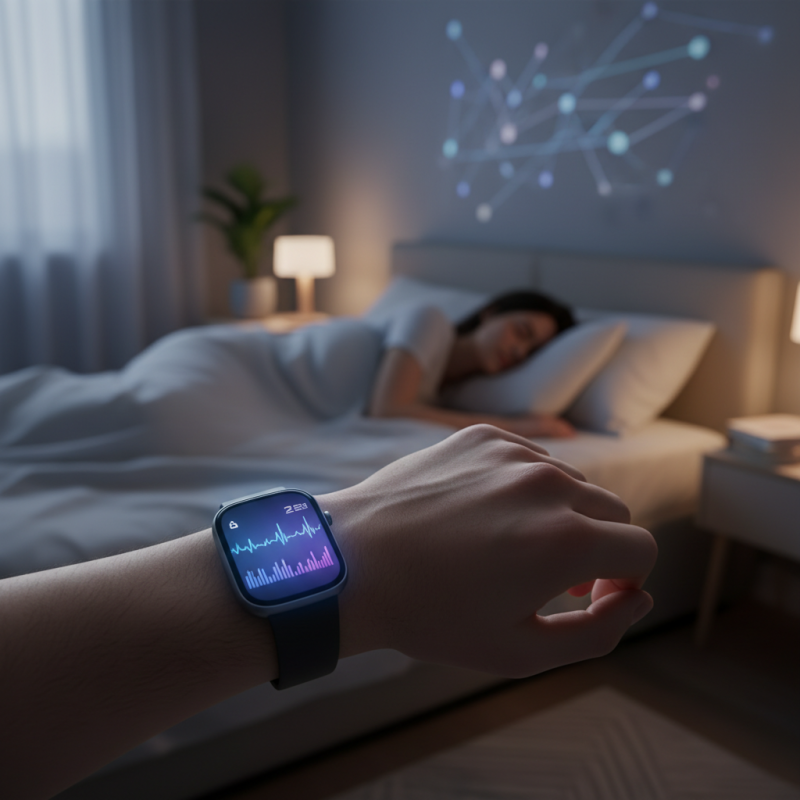
The Importance of Sleep for Overall Health and Well-Being
Sleep plays a crucial role in our overall health and well-being. It affects our mental clarity, emotional stability, and physical health. A good night's sleep can boost your immune system, improve mood, and enhance cognitive function. Yet, many people struggle with sleep issues. This leads to chronic fatigue and a host of health problems.
Monitoring your sleep can provide valuable insights into your sleep patterns. Understanding how much sleep you get can highlight areas for improvement. Devices that track sleep stages can show how long you spend in deep sleep versus light sleep. This information is essential for making lifestyle changes that promote better sleep quality.
Tips for better sleep include creating a calming bedtime routine, limiting screen time before bed, and ensuring a comfortable sleep environment. Keeping the bedroom dark and cool can also aid in achieving deeper sleep. Reflect on your current habits. Are they helping or hurting your sleep? Small adjustments can lead to significant improvements in your overall health and well-being.
Understanding Sleep Monitoring Technology: An Overview
Sleep monitoring technology is revolutionizing how we understand and improve our health. According to research from the National Sleep Foundation, nearly 30% of adults report short sleep duration. Poor sleep quality contributes to various health issues, including obesity, diabetes, and cardiovascular diseases. This dependency on technology to monitor sleep patterns is not only beneficial but essential in our modern lives.
Wearable devices can track sleep stages, providing insights into cycles of light and deep sleep. A study published in the Journal of Clinical Sleep Medicine found that individuals using such technology often improve their sleep hygiene significantly. This leap into understanding one’s sleep can reveal patterns that might otherwise go unnoticed, facilitating behavioral changes. However, some might find themselves overly reliant on these tools, leading to anxiety about sleep quality rather than improving it.
Understanding the metrics derived from sleep monitoring can empower individuals. However, disparities in data interpretation raise questions about reliability. A report from the Sleep Research Society highlighted that many users misinterpret their sleep data, causing frustration. This reflects the necessity for education surrounding sleep health and the tools used to measure it. Embracing technology must come hand in hand with knowledge for it to be truly effective.
Why Is Sleep Monitoring Technology Essential for Better Health?
| Data Dimension | Description | Importance | Examples of Use |
| Sleep Duration | The total time spent asleep during a night | Helps identify if you're getting enough quality sleep | Analyzing trends to optimize bedtime routines |
| Sleep Quality | Measures how restful and restorative sleep is | Key to ensuring physical and mental recovery | Identifying disturbances throughout the night |
| Sleep Stages | Breakdown of sleep into different phases (e.g., REM, deep sleep) | Understanding the cycle for better health outcomes | Optimizing lifestyle based on sleep phase metrics |
| Heart Rate | Average heart rate during sleep | Indicator of overall health and stress levels | Monitoring changes that may indicate health issues |
| Movement Tracking | Records movement during sleep | Evaluates restlessness and comfort levels | Identifying sleep conditions like sleep apnea |
Key Metrics in Sleep Monitoring and Their Health Implications
Sleep monitoring technology plays a pivotal role in understanding our health. Key metrics such as sleep duration, sleep cycles, and heart rate variability offer valuable insights. Monitoring how long you sleep can help identify patterns. If you're clocking in fewer hours than needed, it may signal potential health risks.
Examining sleep cycles is equally crucial. Each phase serves a unique purpose. For example, REM sleep aids memory consolidation and emotional regulation. Disturbances in these cycles can lead to cognitive decline. Heart rate variability (HRV) reveals stress levels. High stress can disrupt sleep quality, leading to a vicious cycle.
However, interpreting these metrics isn't straightforward. Sleep trackers may not always provide complete accuracy. Factors like lifestyle or environmental conditions can skew results. Relying solely on technology might not capture the whole picture. It's essential to reflect on how you feel daily. True well-being involves a blend of technology and self-awareness.
How Sleep Monitoring Technology Can Improve Sleep Quality
Sleep monitoring technology plays a crucial role in enhancing sleep quality. With the rise of smartphones and wearables, tracking sleep patterns has become more accessible. These devices gather data on sleep duration, cycles, and disturbances. They provide insights that help users understand their sleep habits.
Higher sleep quality leads to better overall health. Monitoring can reveal patterns that go unnoticed, such as frequent awakenings or restless sleep. Many people believe they sleep well but may not realize they wake up often. This discrepancy can affect mood, focus, and physical health.
Using data from sleep monitors creates awareness. Users can adjust their environment, like reducing light or noise before bedtime. They can explore relaxation techniques, such as deep breathing or meditation. Challenging habits, like excessive screen time before bed, can also be addressed. Individuals may hesitate to change routines, but small adjustments can yield significant benefits.
Future Trends in Sleep Monitoring and Health Technology Integration
As we look to the future, sleep monitoring technology is evolving rapidly. Wearable devices and smartphone apps are now capable of providing real-time data about sleep cycles. They track movements, heart rates, and even breathing patterns. This data is invaluable for understanding individual sleep habits. However, users often find the information overwhelming. Deciphering it can be a daunting task without expert guidance.
Integration of health technology with sleep monitoring is also on the rise. Healthcare providers are starting to use this data to personalize treatment plans. This could lead to more effective management of sleep disorders. Yet, there’s a need for caution. Too much reliance on technology can lead to anxiety about sleep quality. People might become fixated on achieving "perfect" sleep. Such pressure can ironically disrupt sleep rather than enhance it.
Looking forward, it is essential to balance technology use with self-awareness. Users should learn to interpret their data mindfully. Reliable sources should guide them through any potential complexities. Future innovations will likely focus on user-friendly interfaces that simplify the experience. This will be key for fostering a healthier relationship with sleep technology. Addressing these challenges will be crucial for achieving better health outcomes.
Sleep Quality Metrics Compared Over Time