Is Red Light Therapy Effective for Pain Relief and Healing?
Red Light Therapy (RLT) has gained significant attention in recent years for its potential in pain relief and healing. According to a report from the National Institute of Health, RLT can reduce inflammation and accelerate tissue repair. This therapy uses low-level wavelengths of red light to penetrate the skin, promoting cellular regeneration. "Red Light Therapy is a promising approach for pain management," says Dr. Michael Hamblin, a leading researcher in the field. His studies highlight RLT's capability to enhance the healing process in muscles and joints.
However, not all results are uniform. While many patients report improved outcomes, some experience minimal effects. Diverse factors, such as skin type and the specific conditions treated, influence results. The application must be well-directed and personalized. Industry professionals emphasize the need for more robust clinical trials to fully understand the efficacy of RLT. As users navigate this evolving field, they should consider individualized responses to treatment. The promise of Red Light Therapy invites both excitement and cautious optimism, as more research unfolds.
Understanding Red Light Therapy: Basics and Mechanism of Action
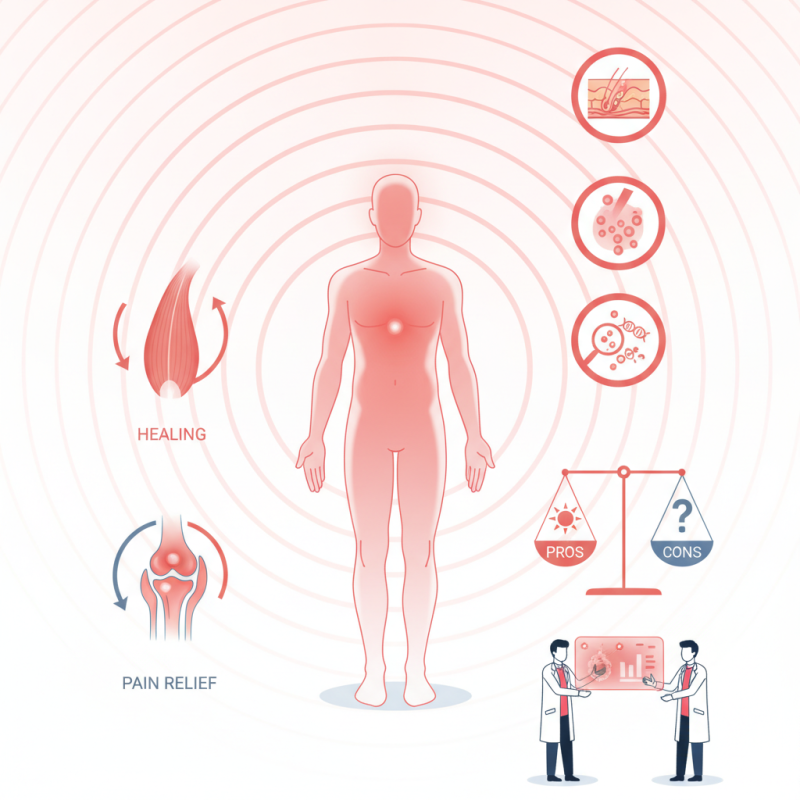
Red light therapy (RLT) has gained attention in recent years for its potential in pain relief and healing. It operates through a process known as photobiomodulation. This involves the absorption of specific wavelengths of light by cells, which can enhance mitochondrial function. Improved ATP production is linked to tissue repair and reduced inflammation. Clinical studies have indicated that RLT can reduce pain in various conditions, including arthritis and sports injuries. Some reports suggest up to a 70% decrease in pain symptoms after consistent treatment.
In 2021, a systematic review highlighted RLT’s effectiveness across different patient populations. The review found significant improvements in pain scores and function. Moreover, studies reveal that RLT can accelerate wound healing by stimulating collagen production. However, results can vary based on factors like treatment duration and light intensity. It’s essential to approach RLT with a clear understanding of its limitations. While many report positive outcomes, not everyone experiences the same benefits.
Patient experiences indicate that combining RLT with other therapeutic modalities often yields better results. More research is necessary to establish standardized protocols. Ongoing investigations will clarify the most effective parameters, ensuring that practitioners can maximize patient outcomes. This evolving field continues to challenge and refine our understanding of healing and pain management.
Scientific Evidence: Studies on Red Light Therapy for Pain Relief
Recent studies have explored the effectiveness of red light therapy (RLT) in managing pain and enhancing healing. Research indicates that RLT may stimulate cellular processes. These processes can promote tissue repair and reduce inflammation. Various studies show positive results in conditions such as arthritis, tendonitis, and even muscle soreness. This promising evidence highlights the therapy's potential. However, results can vary significantly among individuals.
One study found that patients experienced noticeable pain relief after several RLT sessions. Participants reported less discomfort and improved mobility. Interestingly, some individuals found minimal effect, prompting further investigation. The variability in results raises questions about optimal treatment parameters. Factors like skin type, the specific condition treated, and therapy duration play crucial roles.
Despite these uncertainties, many healthcare professionals recognize the potential benefits of red light therapy. It offers a non-invasive alternative for pain management. Understanding its mechanisms and applications continues to evolve. Future research is essential in identifying which patients may benefit the most. The aim is to make RLT a reliable therapeutic option in clinical settings.
Effectiveness in Specific Conditions: Joint Pain, Muscle Strain, and More
Red light therapy has gained attention for its potential in reducing pain and promoting healing. It may be particularly effective for conditions like joint pain and muscle strain. This form of therapy uses specific wavelengths of light to penetrate the skin and stimulate cellular function.
Many individuals report relief from joint pain after consistent treatments. In particular, arthritis sufferers have found this therapy beneficial. Researchers believe that red light can enhance circulation and reduce inflammation. Muscle strains can also improve with therapy. Athletes often use this method to speed up recovery. However, results can vary, and not every person experiences significant benefits.
Tips for Effective Use: Consider starting with short sessions. Each session can last around 10 to 20 minutes. Consistency is essential, so schedule regular treatments. Focus on the area in pain for optimal results. Keep in mind that not all devices are the same. Consulting a professional before beginning treatment can provide tailored advice. Some individuals may need to adjust their approach based on personal experience. Finding the right frequency and duration is key to maximizing benefits.
Safety and Side Effects: What You Need to Know About Red Light Therapy
Red light therapy has gained attention for its potential benefits in pain relief and healing. However, it's crucial to understand its safety and possible side effects. Although this therapy is generally considered safe, improper use can lead to skin irritation or discomfort. Overexposure may cause temporary redness or soreness. It’s essential for users to follow guidelines and consult professionals before starting treatment.
In some cases, individuals report headaches or dizziness after sessions. These side effects may vary based on the intensity of the light used. Everyone reacts differently, so it’s wise to monitor your own body’s responses. People with certain medical conditions or those using specific medications should be cautious and seek expert advice. This consideration ensures that red light therapy is an effective option for their needs. Keeping an open line of communication with healthcare providers can enhance the treatment experience and mitigate risks.
Practical Applications: How to Use Red Light Therapy at Home
Red light therapy has gained popularity for its potential benefits in pain relief and healing. Using this therapy at home can be practical and effective. To start, ensure you have access to a red light device designed for home use. These may come as handheld devices or larger panels.
When applying red light therapy, target specific areas of pain or injury. Start with short sessions of about 10 to 20 minutes. Distance matters; keep the device about 6 to 12 inches away from your skin. Consistency is key; aim for several sessions a week. Pay attention to how your body responds. Recording your experiences can help track progress.
It’s important to manage expectations. While some may feel immediate relief, others may need time. Listen to your body and adjust accordingly. Not everyone will see the same results. This variability can be frustrating but is a natural part of the healing process. Experiment with different techniques to discover what works best for you.
Is Red Light Therapy Effective for Pain Relief and Healing?
| Application | Area Treated | Pain Relief Effect | Healing Enhancement | Recommended Duration |
| Muscle Recovery | Legs | Moderate | Yes | 10-20 mins |
| Joint Pain Relief | Knees | High | Yes | 15-30 mins |
| Wound Healing | Skin | Low | Yes | 20-30 mins |
| Chronic Pain | Back | Moderate | Yes | 15-25 mins |
| Skin Rejuvenation | Face | N/A | Yes | 10-15 mins |