Top Neurology Machine Innovations to Watch in 2025: Transforming Healthcare
As we advance into 2025, the field of neurology is poised for revolutionary changes driven by cutting-edge innovations in Neurology Machines. These sophisticated technologies are set to transform the diagnosis, treatment, and management of neurological disorders, offering unprecedented precision and efficiency. From advanced imaging techniques to AI-driven diagnostic tools, these innovations are designed to enhance patient outcomes and streamline healthcare processes.
The integration of Neurology Machines into clinical practice not only promises to elevate the standard of care but also aims to address the pressing challenges faced by neurologists today. As we explore the landscape of these emerging technologies, it becomes clear that their impact will extend beyond mere technological advancement; they represent a paradigm shift in how we understand and treat complex neurological conditions. By harnessing the power of innovation, the healthcare sector is on the brink of a new era in neurology, characterized by personalized treatment plans and improved patient engagement.
In this outline, we will delve into some of the most anticipated Neurology Machine innovations to watch in 2025, highlighting their potential to reshape the future of healthcare and improve the lives of millions affected by neurological disorders.

Emerging Technologies in Neurology: An Overview of Innovations
The landscape of neurology is on the precipice of transformation, powered by emerging technologies that promise to redefine healthcare standards. According to the latest forecasts, the United States neurology devices market is anticipated to experience significant growth from 2025 to 2033, fueled by an increasing disease burden and the rising adoption of neurotechnology. Neurological conditions, which affect over three billion people globally, stand as the leading cause of disability. In light of this, the integration of innovative solutions such as brain-computer interfaces and AI-powered diagnostic tools is becoming paramount.
Institutions like West Virginia University's Rockefeller Neuroscience Institute are at the forefront of this revolution, having successfully tested innovative brain-computer interface technology capable of decoding speech and language. Furthermore, interdisciplinary research institutes are emerging, such as those launched by Georgia Tech, focusing on the intersections of neuroscience, neurotechnology, and society. These institutional efforts reflect a broader commitment to enhancing the quality of care through personalized and integrative approaches, particularly in addressing prevalent conditions, such as dyslexia, that necessitate tailored interventions. As we look toward 2025, these advancements underscore an exciting era for neurology, where technology seamlessly intertwines with clinical practice.
Prominent Neurology Machine Innovations Set to Launch by 2025
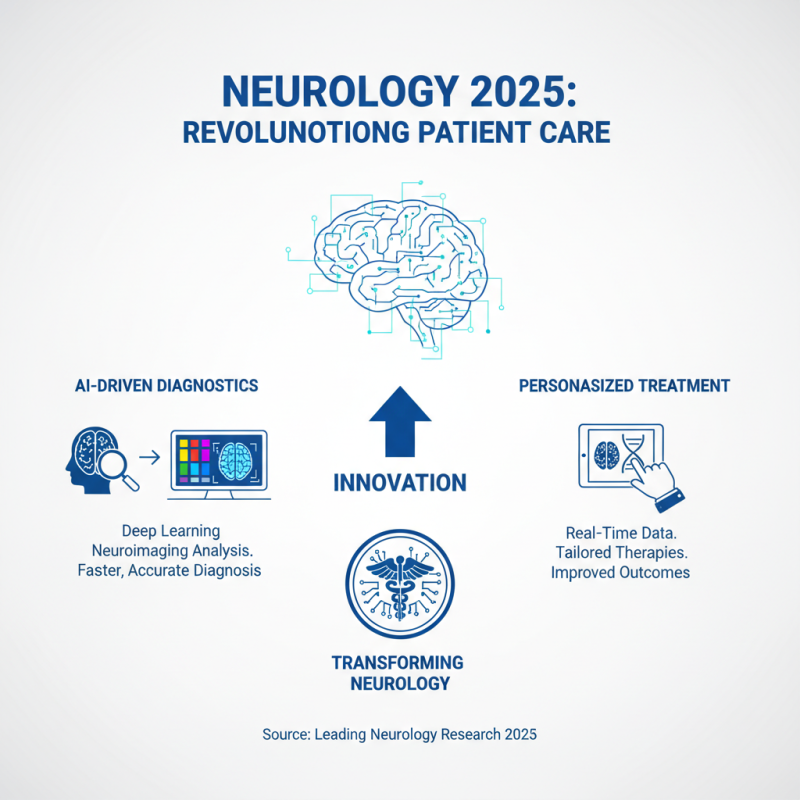
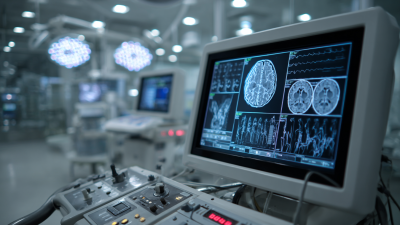
As we look towards 2025, the forefront of neurology is being revolutionized by a suite of innovative machines poised to transform patient care. Among the most promising advancements are AI-driven diagnostic tools that leverage deep learning to analyze neuroimaging data with unprecedented accuracy. These systems will not only expedite the diagnosis of neurological conditions but also tailor treatment plans based on real-time data, leading to improved patient outcomes.
Tips: When engaging with new technologies, healthcare professionals should focus on comprehensive training to maximize the efficacy of these tools. Staying updated with ongoing research and clinical trials related to these innovations will also be crucial for ensuring optimal implementation in healthcare settings.
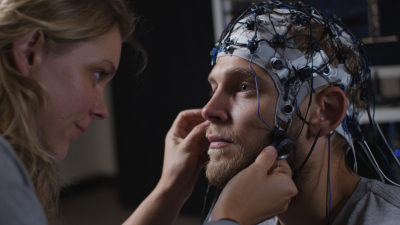
Additionally, wearable neurology devices are set to gain traction by 2025. These portable systems will monitor brain activity and other vital neurological parameters continuously, providing valuable insights that can help in managing conditions like epilepsy and Parkinson's disease. By integrating this data into everyday care routines, patients will enjoy a more proactive approach to their health.
Tips: For patients, it’s important to maintain open communication with healthcare providers about the capabilities and limitations of wearable devices. Regular follow-ups will ensure these innovations are tailored to individual needs and provide actionable data for better management of neurological health.
Impact of AI and Machine Learning on Neurological Treatments
The integration of artificial intelligence (AI) and machine learning into neurology is poised to revolutionize the field, significantly enhancing the accuracy and efficacy of neurological treatments.
AI algorithms have the potential to analyze vast datasets swiftly, identifying patterns that may elude human clinicians.
For example, predictive analytics can help in the early diagnosis of neurodegenerative disorders like Alzheimer's by detecting subtle changes in patient data that indicate disease onset long before clinical symptoms manifest.
This early intervention could lead to more effective management strategies that improve patient outcomes.
Moreover, AI-driven platforms are being developed to personalize treatment plans based on an individual's genetic makeup, lifestyle, and disease progression. By harnessing machine learning capabilities, these systems can continuously learn from new data, refining their recommendations over time.
This tailored approach not only enhances the effectiveness of treatments but also minimizes the risk of adverse reactions, making care more efficient. As we approach 2025, the ongoing advancements in AI and machine learning promise to reshape the landscape of neurological medicine, ultimately leading to a more proactive and personalized healthcare approach for patients with neurological conditions.
Enhancing Patient Care through Advanced Neurology Equipment
Advancements in neurology equipment are set to revolutionize patient care by 2025, with innovations focusing on precision, accessibility, and real-time data analysis. Neurological disorders, which affect approximately one in six people worldwide, underscore the urgent need for enhanced diagnostic and therapeutic tools. Recent reports from the World Health Organization estimate that over 450 million individuals suffer from mental health disorders, highlighting the critical role of state-of-the-art neurological technologies in improving diagnosis and treatment effectiveness.
Incorporating technologies such as artificial intelligence and machine learning, new devices can analyze patient data to provide tailored treatment plans. For instance, AI-driven neuroimaging tools are expected to increase diagnostic accuracy by over 20% by 2025. A study published in the Journal of Neurology suggests that these innovations not only facilitate early detection but also empower clinicians to monitor patient progress in real-time, leading to improved patient outcomes.
Tips for healthcare providers considering these advancements include investing in training on new technologies to ensure seamless integration into practice. Additionally, staying updated on innovative research and fostering partnerships with tech companies can facilitate smoother transitions and enhance overall patient care. Embracing these changes will be essential for staying ahead in the rapidly evolving field of neurology.
Top Neurology Machine Innovations to Watch in 2025
This chart illustrates the projected market growth of various neurology machine innovations to watch in 2025, highlighting the importance of advanced equipment in transforming healthcare and enhancing patient care.
Future Trends in Neurology: Forecasting Healthcare Transformations
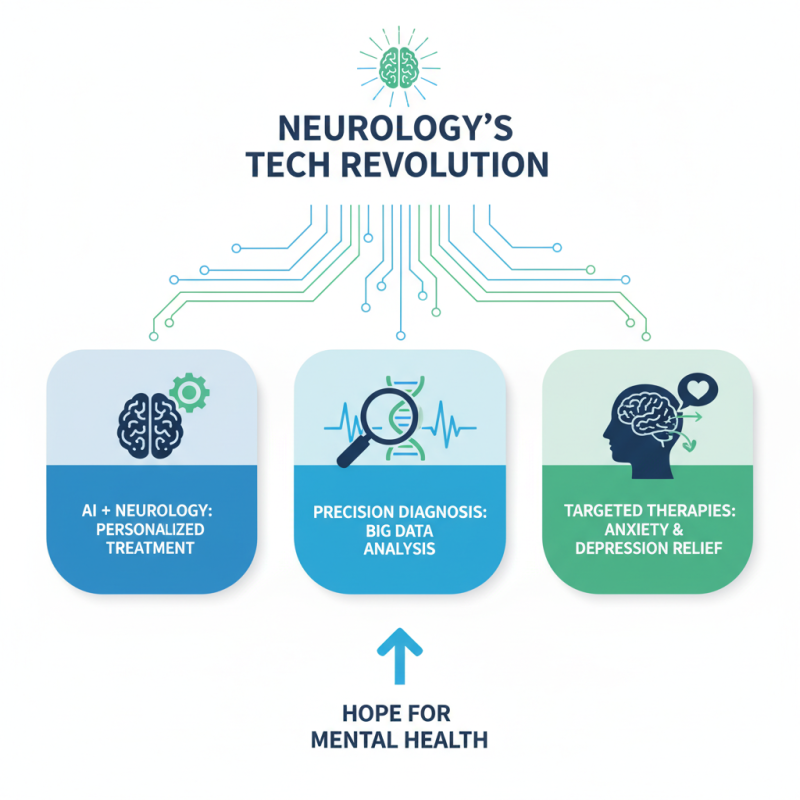
The landscape of neurology is on the brink of significant transformation as technology integrates more deeply into healthcare practices. With the advancements in artificial intelligence (AI), healthcare is shifting towards personalized treatment plans, especially in mental health. AI's ability to analyze vast datasets enables more precise diagnoses and targeted therapies for conditions like anxiety and depression, offering hope where traditional methods frequently fall short.
Additionally, the emergence of brain-computer interfaces (BCIs) is revolutionizing how neurological care is delivered. By translating brain activity into actionable commands, BCIs not only facilitate communication for patients with limited mobility but also enhance their overall quality of life. This intersection of neuroscience and technology is paving the way for more efficient treatment methodologies, ensuring that personalized and effective solutions are readily available for a growing patient population. As these technologies advance, the future of neurology promises to be more dynamic and patient-centric, positioning healthcare to meet the needs of diverse patients in innovative ways.