
Contact Us

Phone
08 8294 8664

Email
sale@awdmedical.com

Address

What Is a Lead Rubber Sheet Used For?

A lead rubber sheet is a flexible material used to reduce exposure to X-rays and other forms of ionizing radiation. It combines lead, which attenuates radiation, with rubber that can make the sheet easier to handle and fit around equipment. You may find it in protective curtains, movable screens, equipment covers, or barriers in medical, dental, and industrial imaging environments. It is practical. But it is not a universal shield.

The protection a sheet provides depends on its lead-equivalence rating, thickness, radiation energy, and how it is installed. Gaps at seams or around openings can weaken a barrier, even when the material itself is suitable. A qualified radiation-safety professional should assess the application and confirm that the product meets the required specifications. Follow the manufacturer’s handling and inspection guidance, too. Rubber may crack, wear, or deform over time. That detail is easy to overlook. This guide explains common uses of lead rubber sheet, how to compare product specifications, and what to consider before installation. The right choice depends on the actual exposure conditions, not just a product label.
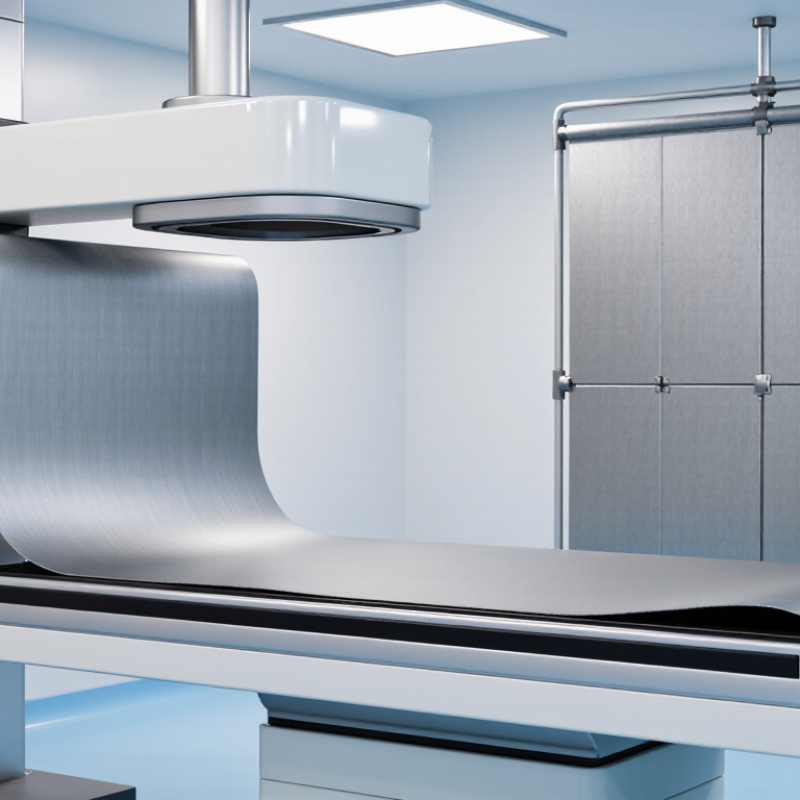
What Is a Lead Rubber Sheet Used For?

What a Lead Rubber Sheet Is

What a Lead Rubber Sheet Is

A lead rubber sheet is a flexible shielding material made by combining lead with an elastomer, such as rubber. The lead may be incorporated as a layer or dispersed through the material, depending on its design. This gives the sheet some flexibility while allowing it to reduce exposure to X-rays and other forms of ionizing radiation. It is not ordinary rubber with a protective coating.

Its shielding performance is commonly described by lead equivalence, which indicates how its attenuation compares with a stated thickness of lead under specified conditions. The correct rating depends on the radiation source, energy, and intended application. These details matter. A sheet used for a protective curtain or equipment enclosure may not suit a different setup. Gaps, damaged edges, and poorly joined seams can also weaken shielding, even when the sheet itself has an adequate rating.

The material is heavy. It can feel awkward to position, especially in larger panels, and unsupported sheets may sag over time. Lead-containing products also need careful handling: avoid cutting, sanding, or burning them, since these actions can release hazardous material. Installation, inspection, and disposal should follow qualified advice and applicable requirements. The name sounds simple, but choosing the right sheet takes more than checking its thickness.

What Is a Lead Rubber Sheet Used For?

Lead rubber sheets are flexible radiation-shielding materials used in applications such as protective curtains and equipment covers. Their shielding depends on the sheet’s lead equivalence and the radiation energy.

How to read this chart: It shows estimated primary 662 keV gamma-ray transmission through lead-equivalent thicknesses, using a narrow-beam exponential attenuation model and an approximate lead linear attenuation coefficient of 1.25 cm⁻¹. Real-world shielding performance varies with radiation spectrum, sheet construction, and scattered radiation; consult product specifications for actual lead equivalence.

How Lead Rubber Sheets Provide Radiation Shielding

What Is a Lead Rubber Sheet Used For?

How Lead Rubber Sheets Provide Radiation Shielding

A lead rubber sheet combines a dense lead layer with a flexible rubber covering. The lead attenuates X-rays and other penetrating photon radiation by absorbing and scattering some of its energy. The rubber helps protect the sheet and makes it easier to fit around corners, doors, or equipment. It is commonly used as a lining or movable barrier where a rigid lead panel would be awkward.

It sounds simple. In practice, details matter. Shielding performance depends on the lead thickness, radiation energy, and how the sheet is installed. For example, a narrow uncovered gap beside a door can weaken an otherwise substantial barrier. Overlapping edges and secure fixings help limit these weak points. Flexibility is useful, but repeated bending can wear the material or damage its covering, so it needs regular inspection.

A sheet does not make a space automatically safe. The appropriate thickness and layout should be selected for the specific source and expected use, with guidance from a qualified radiation protection professional. Measurements and local shielding requirements may also affect the design. One detail is easy to overlook: lead rubber is designed mainly for photon shielding, not as a universal barrier against every type of radiation.

Common Uses of Lead Rubber Sheets

Lead rubber sheets are commonly used to reduce exposure to X-rays in medical and dental imaging areas. They may line walls, doors, viewing windows, or protective screens, depending on the room’s design. Flexible sheets can also cover irregular surfaces where rigid panels are difficult to fit. Seams matter. Gaps around edges can weaken a barrier, even when the sheet itself has the specified thickness.

Mobile imaging units and veterinary clinics may use lead rubber curtains or panels to shield nearby staff. In industrial radiography, sheets can serve as temporary shielding around inspection zones, when a qualified assessment confirms they suit the radiation source. Some protective garments also contain lead rubber material, though their design and coverage vary. A sheet is not a universal shield. Its effectiveness depends on lead equivalence, radiation energy, installation, and condition. That last point is easy to overlook: cracks, worn areas, or poorly joined panels may reduce protection. Check product specifications and have shielding requirements reviewed by a radiation protection professional before installation.

How to Choose and Handle a Lead Rubber Sheet

Lead rubber sheet is commonly used as flexible shielding around X-ray equipment, inspection areas, or enclosed processes. Its usefulness depends on the radiation type, energy, and required protection, not just its appearance. Choose a sheet with documented lead equivalence and test information for the intended application. I would not select by thickness alone; that shortcut feels simple, but it can mislead. Ask a qualified radiation-safety professional to confirm the specification and how the sheet will be installed. Fit matters. Seams, edges, and openings can leave gaps, so plan their coverage before cutting or mounting.

Check the sheet for cracks, tears, or separating layers when it arrives and during routine inspections. Lead-loaded rubber can be heavy, so support it evenly and avoid dragging it across rough floors or sharp edges. Keep it intact whenever possible. If cutting or drilling is unavoidable, use suitable dust controls and protective equipment, and follow the supplier’s handling guidance. Do not sand or heat the material. Wash hands after handling, especially before eating. Small gaps count. A sheet that looks sound may still need replacement if its shielding layer is exposed or damaged; inspection records help catch that, though they are easy to neglect.

FAQS

What is a lead rubber sheet?

It combines lead with a flexible material, such as rubber, to reduce exposure to X-rays. It is not ordinary rubber.

What does lead equivalence mean?

It compares the sheet’s shielding performance with a stated thickness of lead under specific conditions. The rating depends on radiation energy and intended use.

Where are lead rubber sheets commonly used?

They may shield walls, doors, viewing windows, screens, or mobile imaging areas. Veterinary clinics and industrial inspection zones may also use them.

How should I choose a sheet?

Check documented lead equivalence and test information for your application. Ask a qualified radiation-safety professional to review the specification and installation.

Is thickness alone enough to choose one?

No. Radiation type, energy, installation, and condition matter too. I would not guess from appearance.

Why do seams and edges matter?

Gaps around edges or poorly joined seams can weaken shielding. Plan coverage before mounting. Small gaps count.

How should a sheet be handled and inspected?

Support it evenly; lead-loaded sheets can be heavy. Check for cracks, tears, or separating layers, and avoid dragging it over rough floors.

When might a sheet need replacement?

Damage or an exposed shielding layer may mean it needs replacement. Keep inspection records, though they are easy to neglect. Follow qualified advice.