Top Laser Hair Removal Equipment Trends for 2026 What to Know?
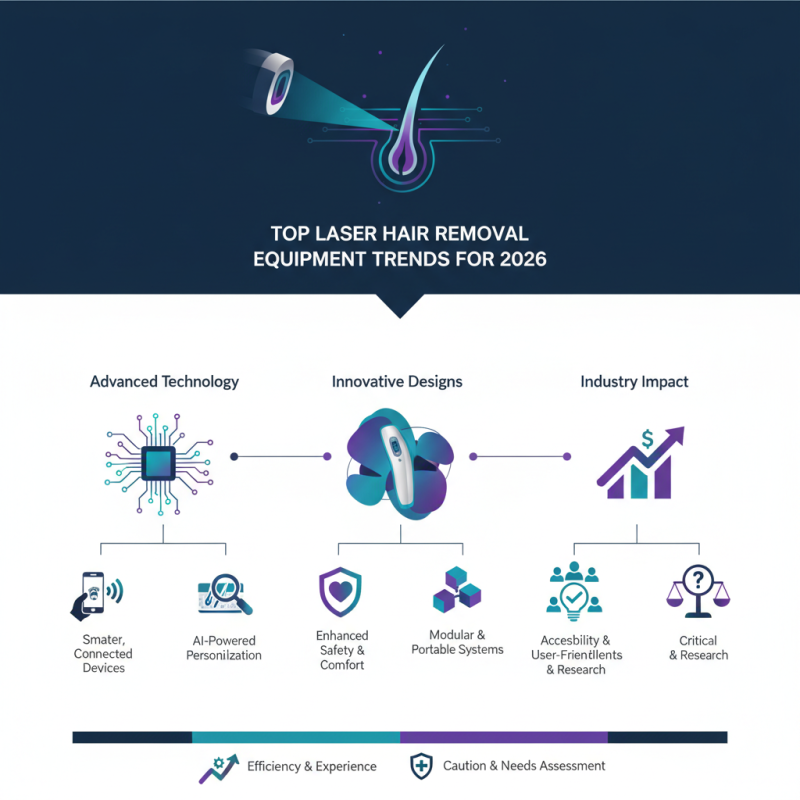
The world of Laser Hair Removal Equipment is evolving rapidly. As we approach 2026, new trends will shape the industry. Advanced technology and innovative designs are emerging. These changes promise to enhance efficiency and user experience.
Consumers seek safe and effective solutions. With advancements, devices become more accessible and user-friendly. However, not all trends bear fruit. Some equipment may promise effective results but fall short. It is crucial to critically evaluate these innovations.
Professionals in the field must stay updated on the latest advancements. Knowledge of Laser Hair Removal Equipment trends will inform practices. Adopting new technology can elevate service offerings. Yet, caution is necessary. The best equipment might not always align with specific needs. Reflection and research are vital before making investments.
Emerging Technologies in Laser Hair Removal Equipment for 2026
The landscape of laser hair removal is evolving rapidly. Emerging technologies are paving the way for more efficient and safer treatments. Innovations in equipment, such as advanced cooling systems, enhance patient comfort. These systems reduce pain and irritation during procedures. Laser technology is also becoming more precise. This precision enables practitioners to target hair follicles effectively, minimizing skin damage.
Another notable trend is the integration of artificial intelligence. AI can help customize treatments based on individual skin types and hair characteristics. However, reliance on technology comes with its challenges. Training is essential to maximize the benefits of these advancements. Practitioners must stay current with best practices and understand equipment limitations.
The future will likely see more non-invasive methods. Clients desire quick results without long recovery times. These trends are promising yet require ongoing evaluation. As technology advances, the industry must prioritize patient safety and satisfaction. Balancing innovation with experience remains crucial as professionals navigate these changes.
Market Trends: Consumer Preferences in Hair Removal Solutions
As we look toward 2026, consumer preferences in hair removal solutions are shifting significantly. Many individuals are seeking long-lasting and effective methods to achieve smooth skin. The rise of laser hair removal reflects a growing desire for efficiency and convenience. This method offers a permanent reduction in hair growth, making it appealing to those tired of traditional methods like shaving and waxing.
Tips for consumers: Always research your options. Be aware of different laser technologies and their potential results. It’s essential to consider your skin type and hair color when selecting a treatment. Consultation with a trained professional is crucial. This ensures the treatment is safe and tailored to your needs.
Another trend is a preference for personalized experiences. Consumers are increasingly looking for customized treatments designed for their unique hair and skin types. They want assurance that their concerns are addressed. Moreover, accessibility and comfort during treatments are becoming vital factors for clients. Establishments are adapting to these needs by enhancing their service environments.
Thinking about laser hair removal? It’s important to ask questions and set realistic expectations. Every individual's experience will differ. Reflect on past experiences with hair removal methods and how they align with your expectations for laser treatments. Being informed leads to better choices.
Regulatory Landscape: Safety Standards and Compliance for Laser Devices
As the laser hair removal industry evolves, understanding safety standards is essential. Regulatory bodies, including the FDA, set stringent guidelines for laser devices. These regulations ensure consumer safety and device efficacy. In a recent industry report, around 75% of practitioners surveyed emphasized the importance of compliance with these standards.
Many devices must undergo rigorous testing before entering the market. The rise in non-invasive procedures has led to increased scrutiny of safety protocols. Notably, improper calibration can lead to adverse effects, such as burns or skin discoloration. On a positive note, advancements in technology have improved the safety profiles of many devices. However, ongoing training for practitioners remains crucial.
Effective compliance strategies involve staying updated with evolving regulations. The dynamics of the industry often lead to gaps in knowledge among new practitioners. Such shortcomings highlight the need for continuous education in the field. Learning from past mistakes reinforces the importance of adhering to established safety protocols. This dedication could shape a more reliable future for laser hair removal practices.
Comparative Analysis: Efficiency and Cost-Effectiveness of Laser Treatments
Laser hair removal continues to evolve, with new technologies improving efficiency and cost-effectiveness. Recent advancements allow for quicker treatment sessions while enhancing safety. This means more people can consider laser hair removal as a viable option.
Efficiency is crucial. Newer devices often provide faster results and require fewer sessions. This can lower overall costs, making treatments more accessible. However, not all devices offer the same outcomes. Some may promise quick results but compromise safety or comfort. Always consult a professional before choosing the right option.
**Tip:** Look for clinics that offer consultations. This helps you understand the expected results and any potential side effects.
Cost-effectiveness also varies widely. Many clinics may advertise competitive prices, but the technology used greatly affects long-term expenses. Cheaper services might not yield lasting results, leading to repeat visits. Be wary of promotions that sound too good to be true.
**Tip:** Evaluate the total number of sessions you may need. This provides a clearer picture of your financial commitment. Understand each step involved in your treatment plan. It’s important to ask questions and clarify any doubts.
Top Laser Hair Removal Equipment Trends for 2026
Future Innovations: Integration of AI and Automation in Hair Removal Systems
The integration of AI and automation in hair removal systems is set to revolutionize the beauty industry. Advanced algorithms will enhance precision in targeting hair follicles. This technology promises to deliver effective results while minimizing discomfort. Devices equipped with AI will learn from each session, adapting treatment settings to individual skin types and hair densities.
Automation will streamline the hair removal process. New systems may include robotic arms that ensure consistent treatments. This will reduce human error, leading to improved outcomes. However, these advancements also raise questions. Will automation fully replace human expertise? Professionals must retain crucial roles for personalized care, even as machines take on more duties.
Continuous training for practitioners is essential to keep pace with innovations. This ensures safety and expertise in using new technology. While AI can provide data-driven insights, human intuition plays a vital part. This balance between technology and human touch is where the industry must focus. The beauty of hair removal will not only rely on cutting-edge tools but also on the architects behind them.
Top Laser Hair Removal Equipment Trends for 2026 What to Know?
| Trend | Description | Expected Impact | Implementation Timeline |
| AI Integration | Utilization of AI algorithms to analyze skin and hair types for customized treatment. | Increased efficacy and reduced side effects. | 2024-2026 |
| Automation | Automated systems for hair removal to ensure consistency and precision. | Higher throughput and improved patient experience. | 2025-2026 |
| Portable Devices | Development of compact and portable laser equipment for home use. | Increased accessibility for consumers. | 2026 |
| Multi-Wavelength Technology | Devices that can switch wavelengths to target different hair types effectively. | Broader applicability for diverse skin and hair types. | 2025 |
| Enhanced Safety Features | Innovations aimed at improving skin protection during treatments. | Fewer adverse reactions and complications. | 2024-2025 |