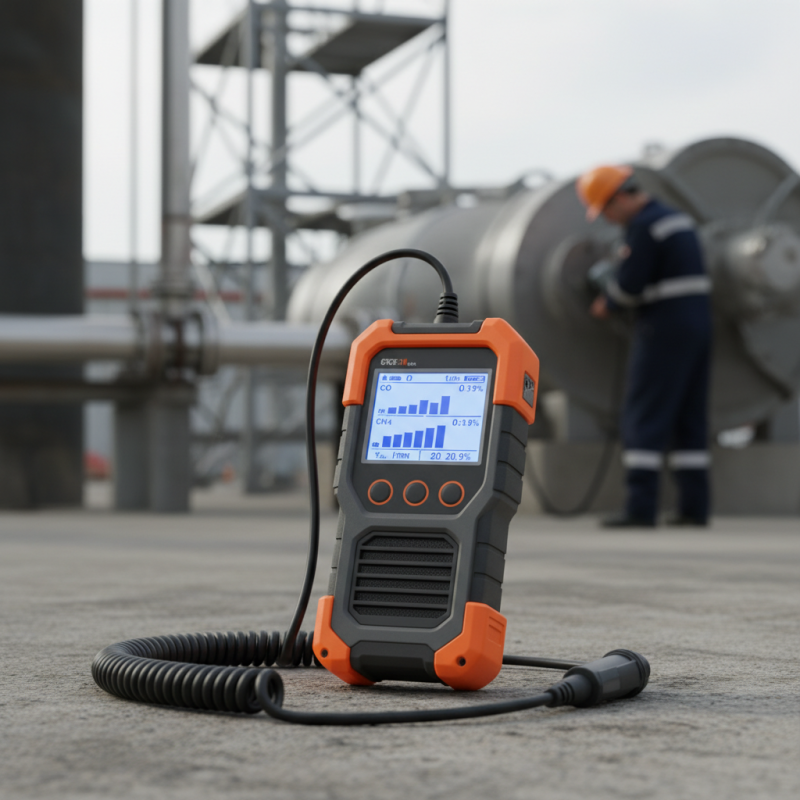
What is a Handheld Gas Monitor and How Does It Work?
A Handheld Gas Monitor is an essential tool for safety in various environments. This compact device detects harmful gases such as carbon monoxide and methane. It is widely used in industries like oil and gas, manufacturing, and construction.
Understanding how a Handheld Gas Monitor works can save lives. The device often features sensors that measure gas concentrations in real-time. Users must regularly calibrate and maintain these monitors for accurate readings. The reliability of these devices is crucial; a malfunction could lead to dangerous situations.
While Handheld Gas Monitors are effective, there are limitations. Users need proper training to interpret results correctly. Misreading data or ignoring warnings can have dire consequences. It's essential to continually enhance one’s knowledge about safe gas detection practices. Balancing technology and training ensures effective monitoring in any setting.
Understanding the Basics of Handheld Gas Monitors
Handheld gas monitors are essential tools for safety in various environments. They detect dangerous gases, providing real-time data to users. These devices are particularly useful in industries like construction, mining, and manufacturing, where exposure to hazardous gases can pose serious risks.
Understanding the basics of how these monitors work is crucial. They utilize sensors to identify specific gas types. When the gas concentration exceeds a predefined level, the monitor triggers an alert. Many models are portable and can fit in the hand, making them easy to use in tight spaces. Their design allows for quick checks of the environment, which is often necessary in emergency situations.
However, it's important to note that these tools are not infallible. Regular calibration is essential to maintain accuracy. Users should be aware of their limitations. Environmental factors, such as temperature and humidity, can affect readings. Continuous education on best practices is necessary. Understanding both the capabilities and limitations of handheld gas monitors enhances safety and preparedness.
Key Components of a Handheld Gas Monitor
A handheld gas monitor is an essential tool for detecting hazardous gases in various environments. Its key components play a critical role in ensuring effective monitoring. Typically, these devices include sensors, a display, and a battery.
The sensors are the heart of the monitor. They detect specific gases like carbon monoxide, methane, or hydrogen sulfide. According to a report by the American Gas Association, over 4,000 U.S. workers are exposed to dangerous gas levels annually. A reliable sensor can make all the difference in these scenarios. They use technologies like electrochemical, infrared, or catalytic methods to ensure accurate readings.
The display provides real-time data and alerts. It shows gas concentration levels and warning indicators when thresholds are surpassed. Some advanced models include data logging features. This allows users to analyze trends and improve safety protocols. Battery life is another critical component. A short battery life can compromise safety, as many monitors see extended use in demanding conditions. Ensuring that a device has robust battery life is crucial for reliability in the field.
Often, users overlook routine maintenance. Neglecting sensor calibration or failing to check battery health can lead to inaccurate readings. Regular checks are vital to ensure these devices function correctly. In high-stakes environments, every detail counts, and the effectiveness of a gas monitor heavily relies on its components' quality and upkeep.
What is a Handheld Gas Monitor and How Does It Work? - Key Components of a Handheld Gas Monitor
| Component | Description | Function |
| Sensor | Detects the presence of specific gases | Converts gas concentration into an electrical signal |
| Display | Shows real-time gas concentration levels | Allows users to read current ambient conditions |
| Alarm | Audible and visual alerts | Notifies users of dangerous gas levels |
| Battery | Power supply for the device | Ensures portability and operation |
| Data Logger | Records gas concentration over time | Facilitates analysis of gas exposure trends |
| Calibration Ports | Ports for adjusting sensor accuracy | Ensures reliability of readings |
How Handheld Gas Monitors Detect and Measure Gas Levels
Handheld gas monitors are essential tools for safety and environmental monitoring. They detect and measure gas levels in real-time, ensuring the safety of workers in various industries. These devices use sensors to identify specific gases, allowing for quick responses to hazardous situations.
Gas monitors typically employ electrochemical, catalytic, or infrared sensors. These sensors react to gas molecules, generating signals that the device interprets. For instance, an electrochemical sensor might change its voltage in the presence of a gas, helping to quantify the concentration. This allows users to determine if gas levels are within safe limits.
Calibration is crucial for accuracy. Regular testing and adjustments help maintain reliability. A poorly calibrated device can lead to dangerous oversights. Users must understand how to operate these monitors effectively. Misinterpretations could result in confusion during critical moments.
Gas Levels Detected by Handheld Gas Monitors
Applications of Handheld Gas Monitors in Various Industries
Handheld gas monitors play a critical role in various industries, ensuring safety and compliance. They are particularly important in environments like oil and gas, mining, and even confined spaces. These portable devices detect hazardous gases and offer real-time readings, which can be lifesaving in emergency situations.
In the construction industry, workers use handheld gas monitors to check for harmful gases like carbon monoxide. This detection helps prevent accidents. As environmental regulations become stricter, industries must comply with safety standards. Regular use of these devices can help identify potential leaks and minimize risks.
Tips: Always calibrate devices regularly for accurate readings. Ensure staff is trained in using these monitors effectively.
Healthcare facilities utilize handheld gas monitors to maintain air quality. This is crucial to protecting patients who may have respiratory issues. Continuous monitoring allows for rapid response to any hazardous changes in air composition.
Remember, a well-functioning gas monitor can save lives. Ensure it’s easily accessible at all times. Gas leaks can happen unexpectedly, which makes preparedness vital.
Best Practices for Using and Maintaining Handheld Gas Monitors
Handheld gas monitors are essential tools for detecting hazardous gases. However, using these devices correctly requires knowledge and careful maintenance. Regular calibration is vital. Without it, readings may be inaccurate, leading to dangerous situations. Users should follow the manufacturer's guidelines for calibration frequency. Remember, not all environments have the same risks.
Proper maintenance involves keeping the monitor clean and checking sensors regularly. Dust and dirt can interfere with readings. A clean device will provide more reliable data. It's also crucial to replace sensors and batteries as needed. Some users forget this step, which can result in failures during critical situations.
Training is another key aspect. Users should understand potential hazards in their work area. Knowing how to interpret readings can save lives. Practice using the monitor in controlled environments. Mistakes can occur when under pressure. Regular drills can help reinforce skills and improve response times. Always prioritize safety and knowledge in every step.