Top Gynecological Disease Prevention Methods You Should Know?
Gynecological diseases affect millions of women worldwide. According to the World Health Organization, over 1.6 million women are diagnosed with cervical cancer annually. Effective gynecological disease prevention methods can significantly reduce these numbers. Regular screenings, vaccinations, and lifestyle changes play key roles in maintaining women's health.
Today, awareness of gynecological health is more crucial than ever. Many women remain unaware of the importance of preventive measures. A study revealed that 50% of women neglect routine gynecological exams. This negligence can lead to late-stage diagnoses of serious conditions. Educating women on available prevention methods is essential.
Preventive methods include education on safe sex practices, HPV vaccinations, and regular pelvic exams. However, barriers such as cultural stigmas and lack of access to healthcare can hinder effective prevention. Addressing these challenges is vital for improving women's health outcomes. Understanding and implementing gynecological disease prevention methods can make a difference in countless lives.
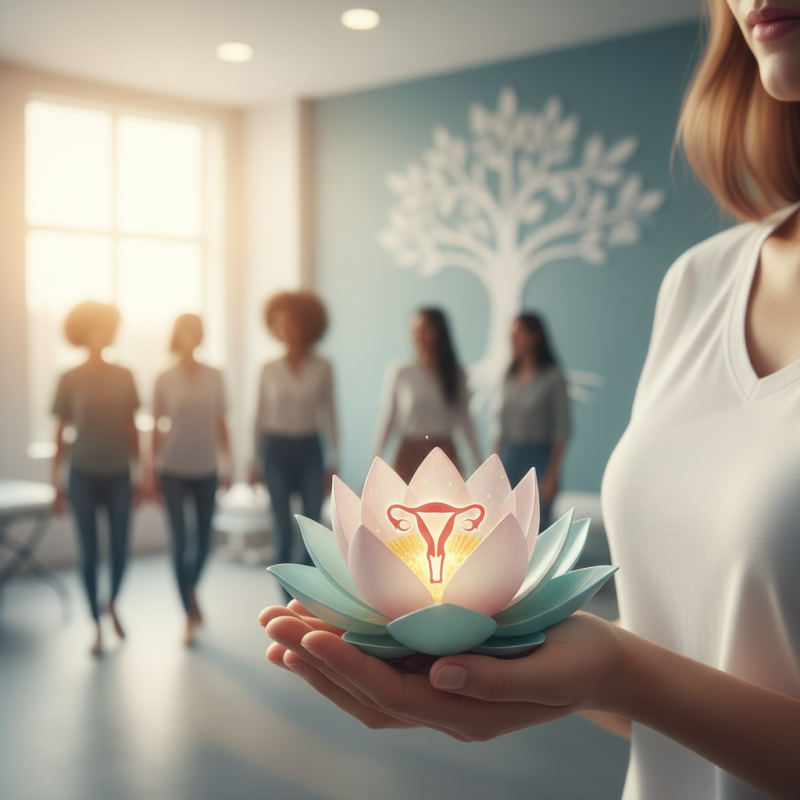
Understanding Common Gynecological Diseases: An Overview
Gynecological diseases are common yet often overlooked. Women should be aware of these conditions to promote their health. Conditions such as PCOS, endometriosis, and fibroids affect many. PCOS can lead to irregular periods and fertility issues. Endometriosis may cause severe pain and discomfort during menstruation. These diseases can significantly impact daily life.
Symptoms often go unnoticed or are dismissed. Regular check-ups can make a difference. Many women do not seek help promptly. This delay can worsen symptoms. It’s essential to have open conversations with healthcare providers about any concerns. Education about these conditions is critical for early detection.
Incorporating lifestyle changes can aid prevention. A balanced diet and regular exercise play a role. Stress management is also vital, as high stress can exacerbate symptoms. Women often ignore emotional health, but it directly impacts physical conditions. Awareness and proactive measures can lead to better outcomes. Each woman's journey to health is unique, requiring reflection and awareness.
The Importance of Regular Gynecological Check-ups for Prevention
Regular gynecological check-ups are crucial for women’s health. These visits help detect potential issues early. A health professional can identify changes that may indicate a problem. This might include irregularities in menstrual cycles or unusual discomfort.
During these appointments, women can discuss concerns openly. It’s a chance to ask questions about sexual health or contraception. Many avoid these visits out of fear or embarrassment. It’s important to challenge those feelings. Neglecting regular check-ups can lead to serious conditions, such as cervical cancer or pelvic inflammatory disease.
Some may feel anxious about exams. This is a common experience. Talking to your healthcare provider about these feelings can help. They can provide reassurance and explain procedures. Empowerment through knowledge is key. Prioritizing regular check-ups is an essential step toward maintaining reproductive health.
Lifestyle Changes to Reduce the Risk of Gynecological Disorders
Gynecological health is essential for women. Making lifestyle changes can significantly lower the risk of disorders. Regular exercise is a crucial step. Aim for at least 30 minutes of moderate activity most days. Physical activity helps maintain a healthy weight and reduces stress. Both factors are linked to better reproductive health.
Diet plays a vital role as well. Incorporate plenty of fruits, vegetables, and whole grains into your meals. These foods are rich in vitamins and minerals. Limit processed foods and sugars. They can lead to inflammation and hormonal imbalances. Staying hydrated is equally important. Water helps maintain overall health and supports bodily functions.
Mental health shouldn’t be overlooked either. High-stress levels can disrupt hormonal balance. Consider mindfulness practices or yoga to alleviate stress. Connecting with supportive friends or family can improve mood. Reflect on personal habits and their impacts. Making small changes can yield significant benefits over time.
Top Gynecological Disease Prevention Methods
This bar chart illustrates the effectiveness of various lifestyle changes in preventing gynecological disorders, on a scale from 1 to 10. Incorporating regular exercise and a healthy diet, along with regular check-ups, can significantly reduce the risk of these conditions.
Vaccinations and Their Role in Gynecological Health
Vaccinations play a vital role in gynecological health. Women can protect themselves from several serious diseases through timely vaccinations. Notably, the HPV vaccine prevents cervical cancer, one of the most common cancers affecting women. This vaccine is most effective when given before the onset of sexual activity. Regularly consulting healthcare providers about vaccination schedules is essential.
Another important vaccine is the hepatitis B vaccine. Hepatitis B can lead to chronic liver disease, affecting women's reproductive health. This vaccination reduces the risk of transmission and protects sexual partners as well. Many women are unaware of this connection between liver health and gynecological issues.
However, some women hesitate to get vaccinated. Concerns about side effects and misinformation can lead to missed opportunities. It’s crucial to discuss these worries with a healthcare professional. Getting accurate information can help in making informed choices. Women should prioritize their health by staying updated on vaccinations. Empowering oneself with knowledge is key to optimal gynecological health.
Recognizing Symptoms: When to Seek Medical Advice
Recognizing symptoms of gynecological diseases is crucial for early intervention. According to the American College of Obstetricians and Gynecologists, about 1 in 4 women will experience a gynecological issue at some point in their lives. Symptoms such as abnormal bleeding, severe pelvic pain, or unusual discharge shouldn't be ignored. These signs may indicate conditions like fibroids or endometriosis, which often require medical attention.
Regular check-ups are essential, yet many women hesitate to seek help. A survey by the Women's Healthcare Policy Collaborative showed that nearly 50% of women delay appointments due to embarrassment or uncertainty. It's essential to prioritize one’s health by consulting a healthcare provider when symptoms arise, rather than dismissing them. Sometimes, discomfort may stem from stress or lifestyle factors, but it's vital not to make assumptions without expert evaluation. Remember, timely diagnosis can significantly affect outcomes, improving the odds of successful treatment.
Top Gynecological Disease Prevention Methods You Should Know
| Prevention Method | Description | Recognizing Symptoms | When to Seek Medical Advice |
| Regular Check-ups | Annual gynecological exams to screen for diseases. | Abnormal bleeding, pelvic pain. | If experiencing unusual symptoms or changes. |
| Healthy Lifestyle | Balanced diet, regular exercise, and maintaining a healthy weight. | Fatigue, unexplained weight changes. | If weight changes significantly or energy levels drop. |
| Safe Sex Practices | Using condoms and having open discussions about sexual health. | Unusual discharge, discomfort during intercourse. | If experiencing persistent discomfort or infection symptoms. |
| Vaccinations | HPV vaccination to prevent cervical cancer. | Changes in menstrual cycle, abnormal Pap results. | If Pap test results are abnormal or if experiencing changes. |