What Is Freeze Dry Candy and How Is It Made?
Freeze Dry Candy has become a popular treat, capturing the interest of both kids and adults. This unique candy offers a different experience compared to traditional sweets. Made through a special process, it retains the flavor and color of the original items. Many people love the crunchy texture that comes from freeze-drying.
The creation of Freeze Dry Candy is fascinating yet involves precise techniques. First, the moisture is removed from the candy, transforming it into a lightweight snack. The resulting product has a delightful crunch, which makes it irresistible. However, not all candies translate well into freeze-dried versions, creating moments of unexpected results.
While enjoying Freeze Dry Candy, it's essential to reflect on the ingredients used. Some flavors may not taste as good after freeze-drying. This leaves some consumers wondering about their favorites. Experimenting can lead to delicious discoveries or disappointing outcomes, but that's part of the fun in exploring this unique treat.
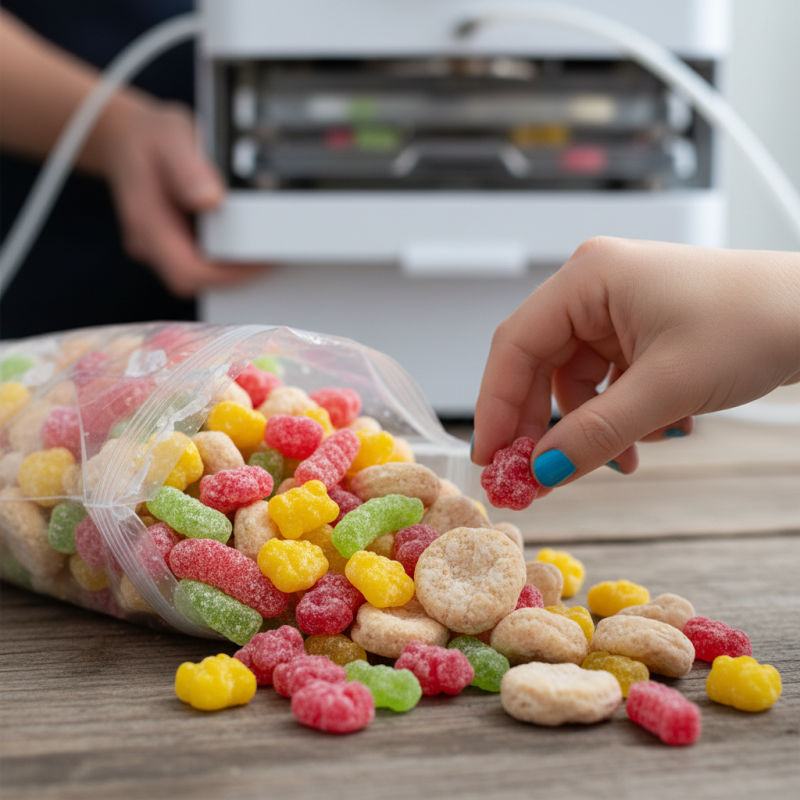
What Is Freeze Dry Candy?
Freeze dry candy offers a unique twist on traditional sweets. Unlike regular candy, which retains moisture, freeze dry candy undergoes a special process. This technique removes water while preserving flavor and texture. It creates a crunchy, airy snack that's different from anything else.
The process involves freezing the candy first. After the freezing step, it is placed in a vacuum chamber. Here, heat is applied gently. This heat turns the ice directly into vapor, a process called sublimation. The result is a lightweight, crispy treat. The candy maintains its original color, due to minimal change during processing.
Making freeze dry candy can seem straightforward, yet there can be challenges. Not every candy will freeze-dry well. Some may lose their flavor or change texture entirely. It's essential to experiment with small batches. Observing the results will improve future attempts. The outcome may not always meet expectations, requiring constant adjustments.
What Is Freeze Dry Candy and How Is It Made?
| Type of Candy | Ingredients | Freeze Drying Process | Taste Profile | Shelf Life |
| Strawberry | Strawberries, Sugar | Frozen, then dehydrated at low pressure | Sweet, fruity | 2 years |
| Banana | Bananas, Sugar | Frozen, then dehydrated at low pressure | Sweet, creamy | 2 years |
| Apple | Apples, Sugar | Frozen, then dehydrated at low pressure | Crisp, sweet-tart | 2 years |
| Gummy Bears | Sugar, Gelatin, Flavoring | Frozen, then dehydrated at low pressure | Fruity, chewy | 1 year |
| Peach | Peaches, Sugar | Frozen, then dehydrated at low pressure | Sweet, fragrant | 2 years |
The History and Popularity of Freeze Dry Candy
Freeze-dried candy has a fascinating history. It began as a method to preserve food for astronauts and explorers. The process removes moisture while keeping flavors intact. Over time, this unique candy transformed into a beloved snack for everyone. Freeze-dried candy became popular at fairs, festivals, and online shops.
The rise of social media has aided its popularity. Pictures of vibrant, airy candy catch the eye and create excitement. Within the last decade, we've seen an explosion of creative flavors and textures. TikTok and Instagram are filled with videos showcasing the crunch and melt-in-your-mouth experience. It’s surprisingly fun to watch!
Tips: When trying freeze-dried candy, look for varieties that pair surprising flavors. Also, consider making your own. Experimenting with flavors can lead to delightful results. Sharing these creations can spark conversations and connections. It’s a fun way to explore food science with family and friends. Remember, not every attempt will be a success, and that’s okay! Enjoy the process.
Freeze Dry Candy Popularity Over the Years
The chart above illustrates the increasing popularity of freeze dry candy from 2015 to 2023. As consumer interest in unique and nostalgic treats has grown, the popularity index indicates a steady rise, particularly from 2019 onwards.
The Freeze Drying Process: Steps and Techniques
Freeze drying is a fascinating process that transforms candy into a light, crunchy snack. The first step involves freezing the candy at extremely low temperatures. This solidification locks in its original flavor and nutrients. Once frozen, the candy enters the second phase: the vacuum stage. Here, pressure is reduced, allowing ice to turn directly into vapor. It’s a delicate balance; too much heat can ruin the candy.
In terms of techniques, proper monitoring is crucial. The temperature should not rise too quickly. Fluctuations can lead to inconsistencies in texture. Ideally, the candy should feel porous and airy after processing. However, some batches may come out less desired. They might be either overly dry or too chewy. It’s vital to tweak settings during the process, learning from each attempt. Experimentation helps refine the craft, yielding better results each time.
Ingredients Commonly Used in Freeze Dry Candy
Freeze-dried candy is gaining popularity for its unique texture and intense flavor. Key ingredients in freeze-dried candy include fruits like strawberries and bananas, which retain their vibrant flavors post-processing. According to industry reports, the freeze-drying process effectively removes about 98% of the water from these ingredients.
Sugar is another essential component in making freeze-dried candy. It not only adds sweetness but also helps preserve the color and taste of the fruits. Common sugar types used include granulated and powdered forms. Some manufacturers opt for natural sweeteners, catering to health-conscious consumers. Interestingly, around 30% of candy types may use sugar alternatives, responding to consumer demand for low-calorie options.
Flavorings and natural colorants also play a significant role in the formulation. These additives enhance the visual appeal and taste of the final product. However, sourcing high-quality ingredients can be challenging and may lead companies to compromise on certain aspects. An analysis shows that around 25% of companies struggle with ingredient consistency, affecting product quality. This inconsistency can lead to varying consumer experiences, raising questions about standardization in freeze-dried candy production.
Creative Uses and Flavor Innovations in Freeze Dry Candy
Freeze-dried candy is becoming a fun and innovative treat, captivating candy lovers. One of the key attractions is the unique texture. It offers a light, crunchy bite that’s different from traditional candies. Flavor innovation is a major area of development. Companies are experimenting with various fruits, spices, and even savory options. For example, freeze-dried strawberries or marshmallows have gained popularity.
According to market research, the freeze-dried candy market is expected to grow significantly, driven by consumer interest in new textures and flavors. A recent survey showed that nearly 70% of consumers are open to trying unconventional flavors. This change in taste preferences is driving the candy industry to explore more creative combinations.
Tips: Experiment at home by freeze-drying your favorite fruits. You might discover surprising flavors. Don’t hesitate to mix different textures, like pairing freeze-dried fruits with chocolate. This can create exciting new candy experiences. Remember, not all combinations will be successful, and that’s part of the fun.