What Are Food Safety Kits and Why Are They Important?
In today's world, food safety has become a pressing concern for both consumers and businesses. Food Safety Kits are essential tools that assist in ensuring the safe handling and preparation of food. Dr. Jenny Smith, a renowned food safety expert, once stated, "Food Safety Kits are vital in preventing foodborne illnesses and protecting public health."
These kits typically include various testing tools and guidelines to monitor food safety practices. They help identify contaminants and ensure that food is stored at the right temperatures. Implementing food safety kits can seem daunting for some. Yet, the benefits they provide far outweigh the challenges.
Many businesses overlook the importance of these kits, which can lead to serious consequences. Properly utilizing food safety kits can prevent potential outbreaks of foodborne diseases. A negative incident can damage a brand's reputation irreparably. Emphasizing proactive measures is crucial in the food industry. Ultimately, food safety kits are not just mere tools, but a commitment to quality and safety for everyone.
What Are Food Safety Kits?
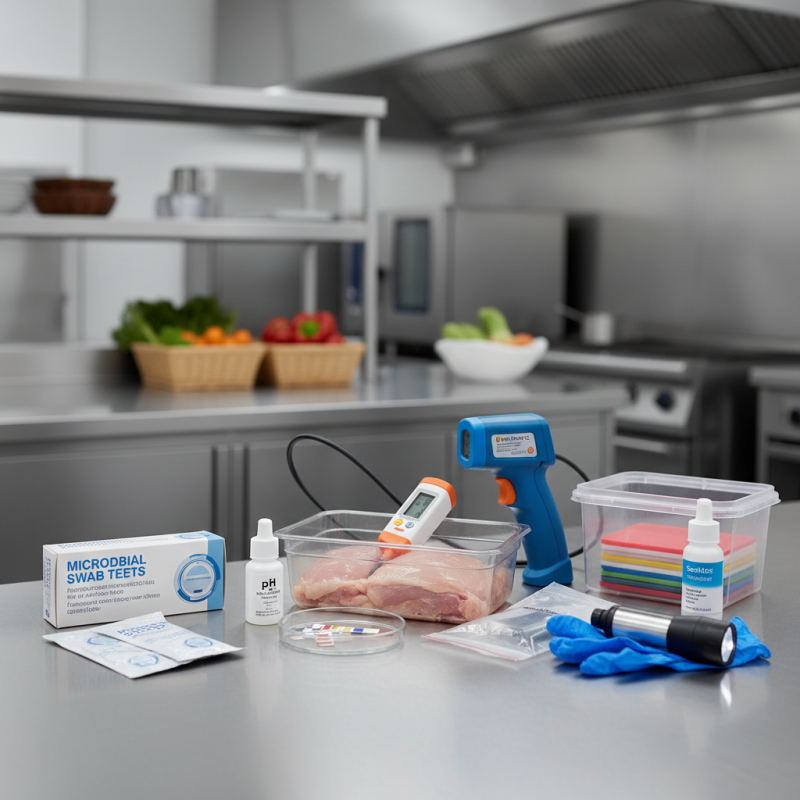
Food safety kits are essential tools for ensuring safe handling and preparation of food. These kits typically include thermometers, gloves, sanitizers, and test strips. Each item plays a vital role in preventing foodborne illnesses. For instance, thermometers help ensure that food reaches safe cooking temperatures. Gloves keep hands clean, but they also require proper handling. Without training, using them can lead to cross-contamination.
In many kitchens, people underestimate the importance of these kits. A small mistake can result in serious health issues. For example, not accurately measuring temperatures can lead to undercooked meat. Test strips help monitor the cleanliness of surfaces, yet many forget to use them consistently. It is crucial to understand that food safety is a continuous process, not just a one-time effort.
Creating a checklist for using these tools improves awareness. However, even with kits, human error can occur. Rushing through food prep increases risks. Proper training and awareness can overcome many common pitfalls. Using a food safety kit is a step towards healthier meals, but it is not a substitute for diligence.
Food Safety Kits Importance Overview
Key Components of Food Safety Kits
Food safety kits are essential for anyone handling food. They help prevent foodborne illnesses and ensure safe food preparation. Understanding their key components is crucial for effective use.
A typical food safety kit includes a digital thermometer, gloves, and sanitizing wipes. The thermometer helps check food temperatures. This detail is important because undercooked food can carry harmful bacteria. Gloves are a simple barrier. They protect food from contaminants during preparation.
Sanitizing wipes are crucial for keeping surfaces clean.
Tip: Always check expiration dates on wipes to ensure effectiveness. Keeping these items organized makes them easy to access during cooking.
Another key element is a food safety handbook. This resource provides guidelines for safe food handling. It can be overwhelming with all the information. However, it serves as a helpful reference.
Tip: Create a checklist based on the handbook to simplify the process. A well-prepared kit saves time and enhances safety in your kitchen. You may not always follow every guideline, but striving for improvement is essential.
The Importance of Food Safety in Our Daily Lives
Food safety plays a crucial role in our daily lives, affecting health and well-being. Contaminated food can lead to illness. Each year, millions suffer from foodborne diseases. Proper food handling helps reduce these risks. However, many people overlook basics, like handwashing or cooking temperatures.
Investing in food safety kits can strengthen our defenses. These kits often include thermometers, sanitizers, and proper storage containers. With them, we can more easily ensure our food stays safe. Yet, some may not know how to use these tools effectively. Knowledge gaps exist in kitchen safety practices, leading to potential hazards.
Beyond tools, awareness is key. Understanding food expiration dates can prevent waste and illness. It's easy to ignore labels, but they play a vital role. Regularly checking food storage can help reduce risks. Reflecting on these practices may reveal areas for improvement in anyone's kitchen routine.
How to Use Food Safety Kits Effectively
Food safety kits are essential in maintaining hygiene. These kits typically include items like thermometers, sanitizers, and gloves. Using them effectively can prevent foodborne illnesses, which affect millions each year. According to the CDC, about 48 million Americans get sick from food each year. That's roughly 1 in 6 people.
To maximize the effectiveness of food safety kits, it’s important to know how to use each component. For example, calibrating a thermometer before use ensures accurate readings. Storing food at safe temperatures is crucial. Many overlook this step. Failure to do so can lead to bacterial growth.
Proper sanitation is also vital. Using chemical sanitizers effectively can reduce surface contamination. However, not everyone reads instructions. This can lead to improper use, reducing the kit's effectiveness. Simple mistakes can have serious consequences. Being mindful and educated about each tool in the kit makes a significant difference.
Regulations and Standards for Food Safety Kits
Food safety kits play a vital role in ensuring safe food handling practices. Regulations regarding these kits vary by region, often requiring businesses to have specific items ready for use. For instance, many areas mandate the inclusion of thermometers, cleaning supplies, and sanitizing agents. Compliance helps prevent foodborne illnesses.
In some cases, establishments overlook the importance of training staff on these regulations. A food safety kit is only effective if employees know how to use its components. Simple mistakes, like improper thermometer usage, can lead to serious consequences. Employees may need ongoing education about best practices.
Moreover, regular checks on these kits are essential. Over time, items can expire or become ineffective. Businesses should assess their kits periodically and restock as necessary. Failing to do so may render the kits unhelpful in an emergency. Addressing these gaps is crucial for maintaining safety standards.
What Are Food Safety Kits and Why Are They Important?
| Safety Kit Component | Purpose | Applicable Regulations | Importance |
| Thermometer | Measures food temperature to ensure safe cooking | FDA Food Code | Prevents foodborne illness |
| pH Strips | Tests acidity levels in food | USDA Standards | Ensures proper preservation |
| Sanitizing Wipes | Cleans surfaces to eliminate pathogens | HACCP Guidelines | Reduces contamination risk |
| Gloves | Protects hands while handling food | OSHA Regulations | Prevents cross-contamination |
| First Aid Kit | Provides medical supplies for injuries | Workplace Safety Standards | Ensures a safe working environment |