Top Tips for Sourcing Pharmaceutical Machinery Efficiently?
In the fast-paced world of pharmaceutical production, sourcing the right machinery is critical. Pharmaceutical Machinery plays a vital role in ensuring efficiency, safety, and quality in manufacturing processes. With the growing demand for pharmaceuticals, companies must navigate complex supply chains to find reliable equipment. This journey requires a clear understanding of specific needs and a strategic approach to sourcing.
Many organizations struggle with choosing the appropriate machinery. They often overlook the importance of assessing quality standards. Additionally, the variety of available technologies can be overwhelming. Businesses must prioritize machinery that not only meets compliance but also enhances productivity. It's essential to partner with reputable manufacturers who understand industry requirements.
Connecting with industry experts can further streamline the sourcing process. Their insights help identify innovative solutions tailored to unique challenges. While it can be tempting to rush into purchases, taking the time to reflect on specific needs and supplier reliability is crucial. Effective sourcing of pharmaceutical machinery can ultimately lead to significant improvements in operational efficiency and product quality.
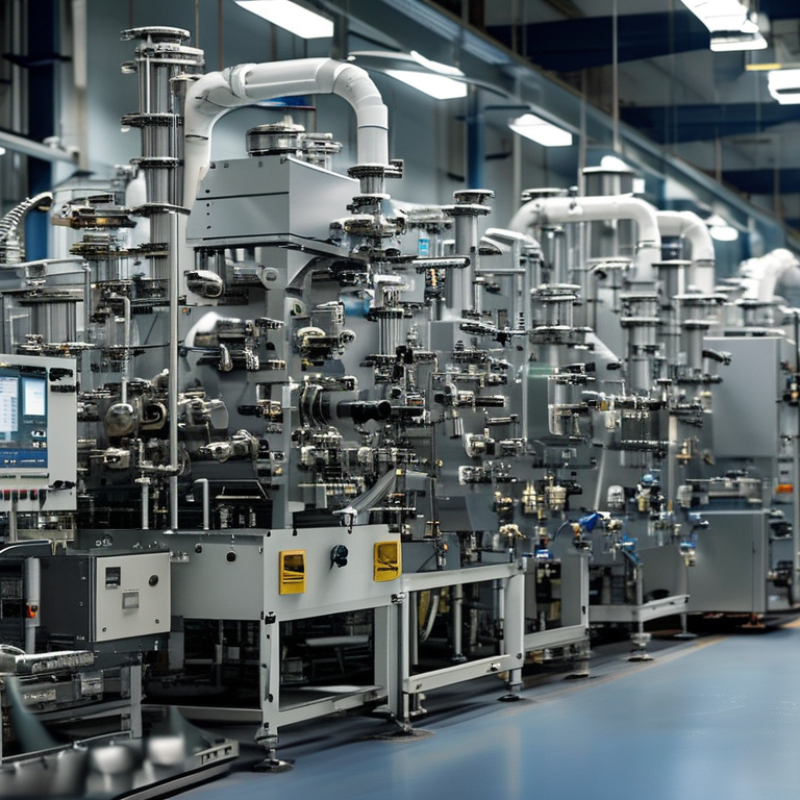
Understanding the Types of Pharmaceutical Machinery Needed for Production
When considering pharmaceutical production, the selection of machinery is vital. Common types include tablet press machines, mixers, and packaging equipment. Each machine serves a unique role and is designed for specific tasks. According to a recent report from Technavio, the global pharmaceutical machinery market is projected to grow by 8% from 2023 to 2027. This growth reflects the increasing demand for efficient machinery to meet production needs.
Tablet press machines are essential for forming tablets. These devices can vary significantly in size and speed. A well-sized machine can increase production capacity by up to 30%. Mixing equipment is crucial for ensuring uniformity in formulations. However, inconsistency in a mix can lead to product failures and recalls. The selection of the right mixer model can reduce such risks. Data suggests that around 70% of pharmaceutical manufacturing failures relate to the mixing process.
Packaging machinery also plays a critical role in maintaining product integrity. Proper packaging protects against contamination and ensures compliance with safety standards. Research indicates that up to 20% of pharmaceutical products are compromised during packaging due to machinery errors. An outdated machine may affect efficiency and lead to higher operational costs. Selecting new and reliable technology can mitigate these risks, but companies must weigh the costs against their production goals.
Top Tips for Sourcing Pharmaceutical Machinery Efficiently
Identifying Reliable Suppliers for Pharmaceutical Machinery Sourcing
When sourcing pharmaceutical machinery, finding reliable suppliers can be a daunting task. The right supplier can significantly impact production efficiency and regulatory compliance. Start by assessing their industry experience. Suppliers with a solid track record have often navigated challenges and developed valuable insights.
Look for certifications that validate a supplier’s reliability. Certifications can indicate adherence to quality and safety standards. However, not all suppliers showcase their credentials prominently. A deeper dive into their history and client testimonials can provide clarity. Ask for references, and review case studies that show their problem-solving capabilities.
Building strong communication is essential. Discuss your specific needs, budget constraints, and timelines with potential suppliers. Gauge their responsiveness and willingness to engage in dialogue. This can reveal much about their professionalism and reliability. Additionally, visiting their facilities, if possible, can offer insights into their operational standards. Interactions during such visits can also highlight their commitment to quality.
Evaluating Quality and Compliance Standards in Pharmaceutical Equipment
In the pharmaceutical industry, evaluating quality and compliance standards is crucial. Every piece of machinery must meet specific regulatory requirements. Adhering to these standards ensures that products are safe and effective. One can start by reviewing documentation related to the equipment’s compliance. This includes certifications, validation reports, and inspection records.
It's also essential to assess the manufacturer’s track record. Experience in the field can be a strong indicator of reliability. However, not all manufacturers will have a flawless history. Some may face recalls or regulatory issues. Checking third-party reviews and testimonials can provide insight into their reputation.
Additionally, it’s beneficial to involve quality assurance teams during the evaluation process. They can identify potential pitfalls in machinery operation and maintenance. Regular audits and inspections are essential as well. Quality assurance should extend beyond the purchase phase. Continuous monitoring helps maintain compliance. It encourages ongoing reflection on equipment performance.
Cost-Effectiveness: Budgeting for Pharmaceutical Machinery Acquisition
Budgeting for pharmaceutical machinery is a complex task. It requires careful planning and a thorough understanding of market dynamics. Start by estimating your needs accurately. Outline specific machinery types and production volumes. This will serve as a foundation for your budget.
Cost-effectiveness is vital. Research options thoroughly. Seek quotes from multiple suppliers, but do not just chase the lowest price. Consider long-term maintenance costs and energy efficiency. A cheaper machine may lead to higher expenses in the long run.
Also, think about financing options. Leases can spread costs over time. However, they might cost more in total. Be candid about your budget and potential limitations. Engage your team in discussions about priorities and necessary features. Address any gaps in your budget strategy early. Being proactive can save costs and management headaches later on.
Assessing After-Sales Support and Maintenance Options for Equipment
When sourcing pharmaceutical machinery, after-sales support and maintenance options are crucial. Understanding these services can save time and money down the road. Adequate support ensures that your equipment runs efficiently. In an industry where precision is vital, any downtime can lead to significant losses. Companies should evaluate the availability of service technicians and their response times. A quick response can minimize disruption to production schedules.
Consider the training programs for your staff. Equipment often requires specialized knowledge for optimal operation. If a manufacturer provides comprehensive training, it can lead to better usage and fewer operational errors. Regular maintenance can be a lesser focus, but it’s essential. Equipment requires consistent checks to avoid costly repairs later. Some companies might promise low prices but skimp on support. This might lead to unforeseen complications and frustrating experiences.
Reflect on warranty options and long-term commitments. A longer warranty might seem appealing, but what’s covered? Some warranties exclude vital components. Review the fine print carefully. It’s better to work with a provider whose support you can rely on. Consider visiting user communities or forums to gather insights. Real-world experiences can reveal valuable information on after-sales service efficiency.
Top Tips for Sourcing Pharmaceutical Machinery Efficiently
| Criteria | Importance Level | After-Sales Support Rating | Maintenance Options Offered |
| Equipment Reliability | High | 5/5 | On-site & Remote |
| Technical Support Availability | Medium | 4/5 | 24/7 Hotline |
| Spare Parts Accessibility | High | 5/5 | Local & International Shipping |
| Response Time for Support | High | 4/5 | Within 24 hours |
| Training and Documentation | Medium | 5/5 | Comprehensive Manuals & Online Training |