How to Choose the Right Homogeneous Floor for Your Space?
Choosing the right homogeneous floor can significantly impact your space. It involves more than just aesthetics; functionality matters too. Homogeneous flooring is known for its durability and uniform appearance. Yet, not all options suit every environment.
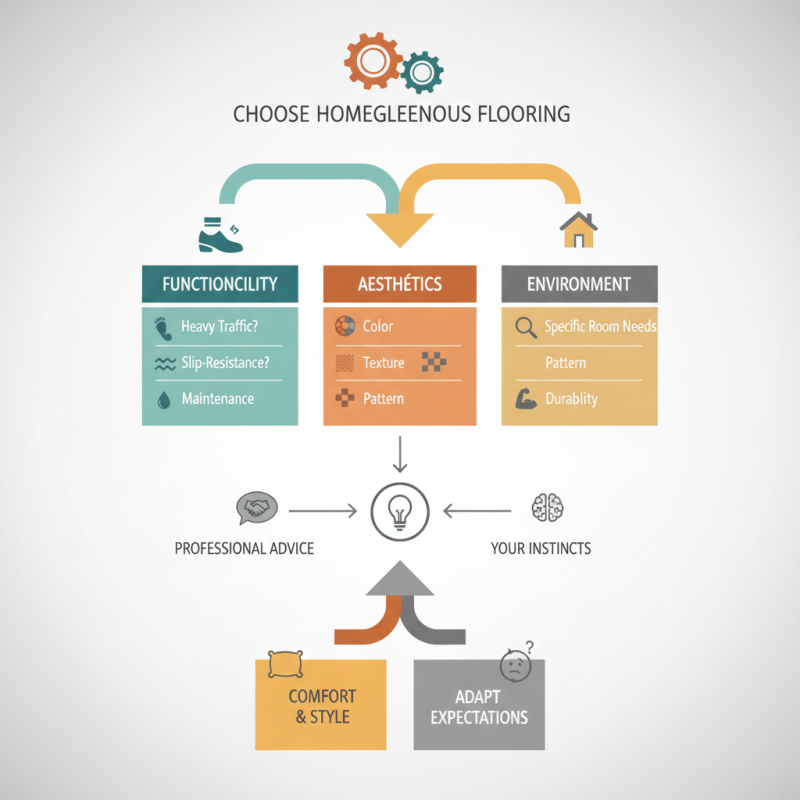
Consider the specific needs of your room. Will it experience heavy traffic? Do you require slip-resistance? These factors influence your choice. The color, texture, and maintenance requirements also play essential roles. Sometimes, the best-looking options may not withstand daily wear and tear.
Take time to evaluate your choices. It's worth discussing with flooring professionals, but trust your instincts too. Every space is unique. A homogeneous floor should enhance your area, not overpower it. The right selection can create comfort and style, but you may need to adapt your expectations along the way.
Understanding Homogeneous Flooring: Definition and Benefits
Homogeneous flooring is a versatile choice for various spaces. It consists of a single layer of material throughout. This uniformity makes it smooth and easy to clean. Many appreciate its seamless appearance. It can be ideal for modern designs. The durability is another benefit. It withstands heavy foot traffic well.
While there are many advantages, some drawbacks exist. For instance, the hardness of the surface can be uncomfortable for long periods. It may also be slippery when wet. Considering these aspects is important. The floor’s color and texture can impact a room’s overall feel. Bright colors may energize a space, while neutral tones bring calmness.
Understanding the features of homogeneous flooring is essential for making an informed choice. Think about the room's purpose before deciding. A bathroom may benefit from a textured finish. A living room might require a softer touch. Personal preferences and the specific needs of your space should guide you. Choices can be overwhelming, and reflection helps clarify what works best for you.
Assessing Your Space: Size, Usage, and Aesthetic Preferences
Choosing the right homogeneous floor requires careful consideration of your space. Start by assessing size. A smaller area might benefit from lighter colors. Light colors create an illusion of space. Dark colors can make a room feel cozy but may also shrink its perceived size. According to industry reports, floors covering about 30% of a room's area should be considered for appropriate balance.
Usage is another crucial factor. High-traffic areas demand durable materials. For residential spaces, comfort may take precedence over durability. Reports indicate that offices often prefer vinyl flooring for its stain resistance. Kitchens and bathrooms require water-resistant options. Aesthetic preferences play a role as well. Do you want a sleek, modern look or something more rustic?
Your style should mesh with the functional needs of your space. Not all designs are timeless; trends can shift quickly. It’s essential to focus on long-term satisfaction rather than just current fashion. Also, consider how different textures and finishes feel underfoot. Are they comfortable for daily use? Make a decision that reflects on both practicality and personal taste. This can help avoid costly mistakes from hasty choices.
Choosing the Right Material: Options for Homogeneous Flooring
When choosing homogeneous flooring, the material is crucial. Various options exist, each with unique characteristics. Take PVC, for instance. It offers a versatile solution that's both durable and easy to maintain. You'll find it in various colors and patterns, which can elevate the aesthetics of any space. However, it might not be as eco-friendly as other choices.
Natural materials like rubber are also popular. They provide excellent shock absorption and slip resistance. This makes them suitable for areas like gyms and playrooms. However, rubber flooring can be more costly and may require more upkeep. Consider if these factors align with your budget and lifestyle.
Cork is another interesting option. It’s renewable and makes for a warm, inviting surface. The texture can feel comfortable underfoot, which is a bonus. Yet, cork is sensitive to moisture, so it's not an ideal choice for wet areas. Reflecting on these pros and cons can guide you in making the right decision for your space.
Evaluating Maintenance and Durability Needs for Your Environment
When selecting a homogeneous floor, evaluating maintenance and durability is crucial. According to industry reports, nearly 20% of flooring issues stem from improper maintenance. Regular cleaning can prevent costly damage. Homogeneous flooring typically requires less maintenance than other types. However, it’s essential to understand specific needs based on your environment.
For example, commercial spaces like hospitals and schools have heightened hygiene standards. Many reports suggest that these settings benefit from floors that are easy to clean and resistant to stains. A study noted that 70% of facility managers would choose resilient flooring due to its easy upkeep. However, improper cleaning techniques may diminish the floor's lifespan. Scrubbing too harshly can cause scratches. Recognizing the balance between clean and damaged is vital.
Durability is another layer to consider. Research indicates that homogeneous floors can last up to 20 years if maintained correctly. Yet, wear and tear fluctuate based on foot traffic and exposure to elements. In high-traffic areas, some floors may need replacement sooner. Choosing a durable option means considering both environmental factors and expected use. This choice is not straightforward and requires careful thought.
How to Choose the Right Homogeneous Floor for Your Space?
| Floor Type | Durability Rating | Maintenance Level | Best Uses |
| Vinyl Homogeneous | High | Low | Commercial Spaces, Hospitals |
| Rubber Homogeneous | Medium | Medium | Gyms, Play Areas |
| Linoleum | Medium | High | Residential, Offices |
| Porcelain Tile | High | Low | Kitchens, Bathrooms |
| Cork | Medium | Medium | Living Spaces, Offices |
Calculating Budget Considerations for Your Flooring Choice
Selecting the right homogeneous floor involves careful budget considerations. The cost of flooring can significantly impact your overall project budget. According to a recent industry report, the price of homogeneous vinyl flooring ranges from $2 to $8 per square foot. This variance depends on factors like quality, thickness, and design.
In addition to material costs, installation expenses should be factored in. Installation can add approximately $1 to $3 per square foot. Therefore, a 1,000-square-foot space could cost you anywhere from $3,000 to $11,000 in total. These figures can shift dramatically, highlighting the need for a clear budget before you start.
Don’t forget about long-term costs. Some flooring options require more maintenance, which adds to your expense over time. Reports suggest that poor-quality floors can lead to higher repair costs. Reflecting on your choices can save money down the line. Careful planning is essential. Consider potential hidden expenses, like underlayment and baseboards. Many overlook these costs, leading to budget overruns.