What Are the Best Vitamins to Boost the Immune System?
When people search for Vitamins To Boost Immune System, they often expect one powerful capsule. Immune health is more complicated than that. Vitamins support normal immune functions, but they do not replace sleep, balanced meals, vaccination, or medical care.
Vitamin C helps protect cells from oxidative stress and supports normal immune activity. Citrus fruits, bell peppers, strawberries, and broccoli provide practical sources. Vitamin D contributes to immune regulation, especially when sunlight exposure is limited. Fatty fish, fortified milk, and clinically guided supplements may help maintain adequate levels. Vitamin A supports healthy skin and mucous membranes, which form important physical barriers. Eggs, dairy products, carrots, and sweet potatoes can contribute to intake. Vitamins B6, B12, and folate also assist normal blood and immune-cell functions.
More is not always better. High-dose supplements can cause harm, interact with medicines, or hide an underlying deficiency. A person with limited sun exposure may need different advice from someone with a varied diet. Blood testing, medical history, age, pregnancy, and existing conditions all matter. Evidence for preventing infections through supplements remains mixed, and this deserves honest attention. I have seen people focus on expensive products while overlooking simple meals and regular sleep. That approach is understandable, but incomplete. Reliable guidance should prioritize nutrient-rich foods and use supplements when a qualified healthcare professional identifies a genuine need. This article examines the strongest evidence, practical food sources, safety limits, and the questions consumers should ask before choosing an immune-support product.
What the Immune System Needs to Function Properly
The immune system needs more than one “best” vitamin. It relies on coordinated cells, protective barriers, and steady nutrient supplies. The National Institutes of Health Office of Dietary Supplements reports that vitamin A supports skin and mucosal barriers, while vitamins C and E help protect cells from oxidative damage. Vitamin B6, B12, and folate also support normal immune-cell production.
Vitamin D deserves careful attention. According to the NIH, adults aged 19–70 generally need 15 micrograms daily, while adults over 70 need 20 micrograms. The same fact sheet notes that deficiency can impair immune function, although routine high-dose supplementation has not consistently prevented respiratory infections in well-nourished people. More is not automatically better.
Vitamin C needs differ by sex, and smokers require an additional 35 milligrams daily, according to NIH guidance. Zinc is not a vitamin, but it remains essential for immune-cell development and signaling. The European Food Safety Authority links inadequate micronutrient intake with poorer physiological function, especially when diet quality is limited. Food remains the practical foundation: citrus, peppers, eggs, legumes, leafy greens, nuts, and fortified foods provide useful combinations. Supplements may help during confirmed deficiency, restricted diets, or medically identified risk. They can also create problems when taken casually. A blood test is not always necessary, but professional advice is safer than guessing. My own caution is simple: immune health rarely improves through one dramatic nutrient. The evidence is less exciting—and more dependable.
Essential Vitamins That Support Immune Health
What are the best vitamins to boost the immune system? The more accurate question is which nutrients your body may lack. Vitamins do not create superhuman protection, but they help immune cells develop, communicate, and respond normally. Vitamin C supports antioxidant defenses and collagen production. Vitamin A helps maintain the skin and respiratory lining. Vitamin D regulates important immune signals, especially when sunlight exposure is limited. These roles are meaningful, not magical.
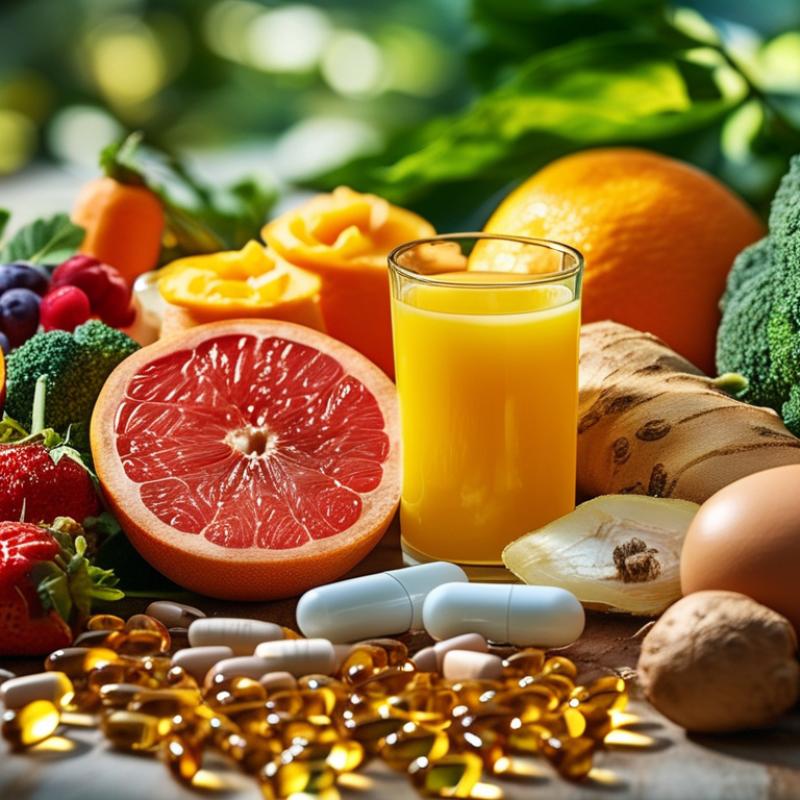
Food is a practical starting point. An orange, red pepper, or bowl of berries can provide vitamin C. Eggs and leafy greens contribute vitamin A and folate. Fatty fish and fortified foods may supply vitamin D. Nuts, seeds, and avocado offer vitamin E. Vitamin B6 and B12 also support normal immune and blood-cell function. I used to think more vitamins meant better protection. That assumption needs correction. High doses can cause harm, and supplements cannot replace sleep, adequate protein, vaccinations, or medical care.
People with restricted diets, digestive disorders, limited sun exposure, or confirmed deficiencies may need tailored supplements. A healthcare professional can review symptoms, medications, diet, and laboratory results before recommending them. This matters because vitamins A and D can accumulate, while excess B6 may affect nerves. Check the label carefully. Choose evidence-based doses, not dramatic promises. Immune health is built quietly through consistent meals, recovery, hygiene, and appropriate clinical advice.
How Each Vitamin Helps Defend Against Illness
What Are the Best Vitamins to Boost the Immune System?
Vitamins do not create an invisible shield against illness. They support specific defenses. Vitamin D helps regulate immune signaling and may reduce respiratory infections in deficient people. A BMJ individual-participant meta-analysis reported a 12% lower infection risk with supplementation, especially from regular daily doses. Results were weaker for people with adequate levels.
Vitamin C supports white-blood-cell activity and protects tissues from oxidative stress. A Cochrane review found regular use shortened colds by about 8% in adults and 14% in children. It rarely prevents colds in the general population. Vitamin A helps maintain the skin and airway lining, our first physical barrier. Yet excessive doses can harm the liver and bones. Vitamin E also supports antioxidant protection, but evidence for preventing infections remains limited. The evidence is less tidy than wellness headlines suggest.
Tips: Build meals around colorful vegetables, citrus, eggs, fish, beans, and fortified foods. Ask a healthcare professional about testing vitamin D before taking high doses. Avoid “more is better.” Supplement needs depend on diet, age, medications, pregnancy, and deficiency risk. NIH Office of Dietary Supplements fact sheets emphasize food-first intake and caution with excessive vitamin use. My practical view: correct a documented gap, but do not treat vitamins as antibiotics.
Food Sources and Daily Intake Recommendations
No single vitamin can “boost” immunity like a switch. Adequate intake supports normal immune function, while excess supplements may cause harm. The NIH Office of Dietary Supplements recommends 75 mg of vitamin C daily for adult women and 90 mg for adult men. One medium orange provides about 70 mg. Red peppers, broccoli, and strawberries also contribute useful amounts.
Vitamin D deserves attention, especially during darker months or limited outdoor exposure. The National Academies recommend 15 mcg, or 600 IU, daily for adults up to age 70. Fatty fish, egg yolks, and fortified foods are practical sources. Vitamin A recommendations are 700 mcg RAE for women and 900 mcg RAE for men, according to the NIH. Carrots provide beta-carotene, while eggs and dairy provide preformed vitamin A. Vitamin E needs reach 15 mg daily for adults, with almonds, sunflower seeds, and vegetable oils offering concentrated amounts.
Tips: Build meals around color and variety. Add berries to breakfast, peppers to lunch, and fish to dinner. Check fortified-food labels carefully. More is not always better. High-dose vitamin A can be toxic, and vitamin D supplements may interact with health conditions. The NIH notes that vitamin C supplements do not reliably prevent colds, though they may slightly shorten symptoms for some people. I would not treat a supplement bottle as a substitute for meals, sleep, or medical advice. Nutrient gaps still happen, and individual needs can differ.
Safety Considerations and When Supplements May Help
Vitamins may support immune function, but more is not automatically better. Vitamin D can help people with low levels, especially those with limited sunlight exposure. Vitamin C supports normal immune cells, while zinc helps maintain healthy barriers against infection. However, supplements rarely provide dramatic protection for well-nourished adults. The evidence is not perfectly uniform, and online claims often sound stronger than clinical research.
Safety deserves careful attention. Fat-soluble vitamins, including A and D, can accumulate and become harmful. Excess zinc may cause nausea and copper deficiency. High-dose vitamin C can upset the stomach and may increase kidney stone risk in some people. Supplements can also interact with medicines, including blood thinners and certain treatments for thyroid or kidney conditions. Pregnancy, chronic illness, and childhood require professional guidance.
A blood test may show a genuine deficiency. Diet history can reveal another one. In those situations, a clinician may recommend a specific dose for a limited period. Choose products with clear ingredient lists and independent quality testing when possible. Avoid megadose formulas promising instant immunity. Food, sleep, vaccination, and hand hygiene still matter more than a crowded supplement cabinet. It is easy to overlook that basic point. Even careful advice can miss individual factors, so discuss regular supplementation with a qualified healthcare professional.