What Is the Best Lung Exerciser in China?
Choosing the best Lung Excerciser in China takes more than comparing prices or counting resistance settings. A device may look sturdy online, yet feel awkward when held. Mouthpiece fit, clear instructions, adjustable resistance, and easy cleaning matter in everyday use. So does knowing what the device is designed to do. Some products train inspiratory muscles; others provide breathing practice. They are not interchangeable, and neither replaces medical care.
Pulmonary rehabilitation researcher Dr. Milo A. Puhan is a relevant expert in this field. However, without a verifiable source for a product-specific statement from him, attributing a direct quotation would be misleading. A careful comparison should instead draw on published research, transparent product specifications, and advice from a qualified clinician. That distinction matters. Marketing claims can sound precise while leaving out who may benefit, how a device should be used, and what results are realistic.
This guide will examine Lung Excerciser options available to buyers in China, including design, usability, evidence, and value. A useful detail is the resistance control: can it be adjusted smoothly, or does it jump between settings? Also check whether the instructions explain safe use and cleaning in plain language. A tidy ranking can still miss personal needs. The best choice depends on the user, the goal, and professional advice—not a bold label on a box.
What Is a Lung Exerciser and What Is It Used For?
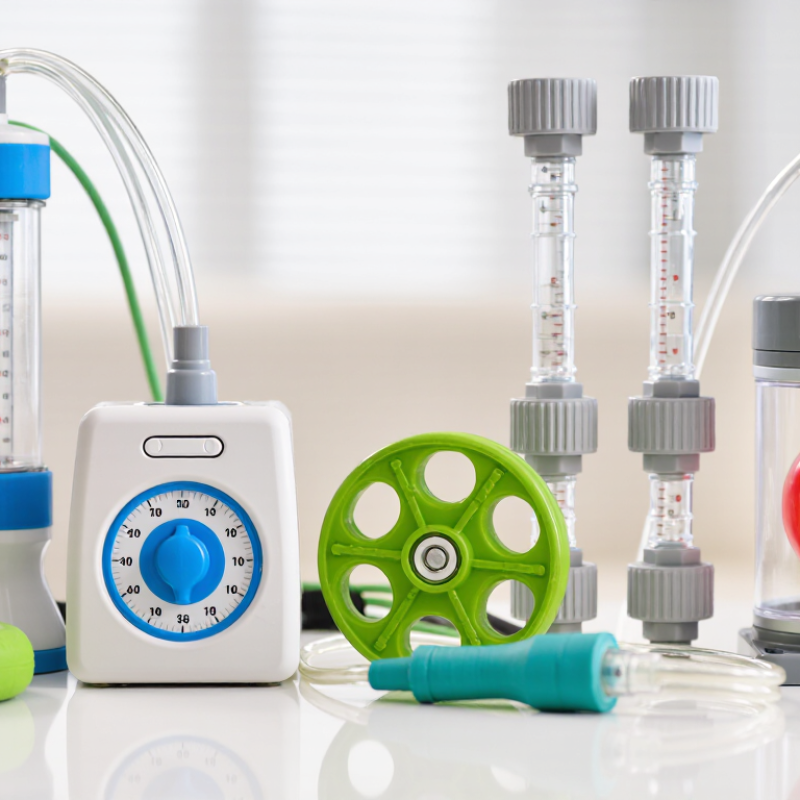
A lung exerciser is a breathing-training device, not a treatment for every lung condition. Common types include incentive spirometers, which encourage slow, deep inhalation, and inspiratory muscle trainers, which add resistance as you breathe in. With an incentive spirometer, a small piston or marker rises as you inhale; the visual cue helps users practise controlled breaths. Clinicians may recommend these devices after surgery or as part of a supervised respiratory training plan.
The purpose depends on the device. Incentive spirometers are often used to practise lung expansion, while resistance trainers aim to strengthen breathing muscles over time. Evidence deserves a careful look: a 2014 Cochrane review examined 12 studies involving 1,834 people after upper abdominal surgery. It found low-quality evidence and no clear proof that incentive spirometry prevented postoperative lung complications. The evidence is not perfectly tidy. A device should not replace prescribed care, and benefits can depend on the person, technique, and clinical setting.
Tips: Sit upright, seal your lips around the mouthpiece, and breathe in slowly rather than sharply. Clean the device as its instructions advise. Stop if you feel dizzy or unusually breathless, and ask a clinician whether the device suits your needs.
How Do Lung Exercisers Support Breathing Training?
Lung exercisers support breathing training by giving each breath a clear task. Some devices guide a slow, deep inhalation with a floating marker or moving ball. Others provide resistance as a person breathes out. The feedback can help users notice whether their breaths are steady, shallow, or rushed. A marker rising smoothly is useful information, not a score to beat.
A practical session may involve sitting upright, sealing the lips around the mouthpiece, and following the device’s breathing instructions. Short, controlled practice is often easier than forcing a very deep breath. The routine can feel awkward at first. Clean the mouthpiece as directed, and stop if you feel dizzy or unusually short of breath. These devices support practice; they do not diagnose or treat the cause of breathing problems. People with lung or heart conditions, or those recovering from illness or surgery, should ask a qualified clinician which type and settings are appropriate. It is easy to focus on the moving marker and forget comfort, so steady breathing matters more than chasing a higher reading.
What Is the Best Lung Exerciser in China? - How Do Lung Exercisers Support Breathing Training?
There is no single best lung exerciser for everyone. The right choice depends on the training goal, the user’s health, and advice from a qualified healthcare professional. The comparison below covers common device types rather than specific brands.
| Device type | How it supports breathing training | May be suitable for | Selection and safety considerations |
| Incentive spirometer | Provides visual feedback while the user breathes in slowly and deeply. It encourages sustained inspiration and can help users practise deep-breathing exercises. | People who have been instructed to practise deep breathing, including some patients recovering from surgery or illness. | Follow the care team’s instructions for technique and frequency. It is a breathing-exercise aid, not a substitute for prescribed treatment, early movement, or clinical monitoring. |
| Threshold inspiratory muscle trainer | Uses a pressure threshold to provide resistance during inhalation. The user must generate enough inspiratory effort to open the valve, creating a measurable training load. | People prescribed inspiratory muscle training for a specific need, such as respiratory muscle weakness or a supervised rehabilitation programme. | Resistance should be set and progressed appropriately. Seek professional guidance if the user has significant breathlessness, heart or lung disease, or is unsure how to train safely. |
| Threshold expiratory muscle trainer | Provides resistance during exhalation, training the muscles used to breathe out. Some programmes use expiratory muscle training to address reduced expiratory strength or cough function. | Selected users whose clinician or therapist has identified a reason to train expiratory muscles. | It does not treat the cause of a weak cough or clear airway secretions by itself. A clinician should advise whether it is appropriate and how to use it. |
| Combined inspiratory and expiratory trainer | Allows training on inhalation, exhalation, or both, depending on the device design. Resistance settings may support structured practice in both directions. | Users whose training plan specifically includes both inspiratory and expiratory muscle work. | Check that each direction has clear, understandable settings and instructions. A combined device is not automatically better if only one type of training is needed. |
| Positive expiratory pressure (PEP) device | Creates resistance and positive pressure during exhalation. PEP breathing is used in some airway-clearance plans to help move mucus; this is different from general lung-strength training. | People advised by a healthcare professional to use PEP as part of an airway-clearance routine. | Use only for the intended purpose and with appropriate instruction. Ask a clinician whether PEP is suitable, particularly if the user has a significant respiratory condition. |
Buying in China: Check the stated intended use, Chinese-language instructions, cleaning requirements, and whether the product’s applicable medical-device registration or filing can be verified through official Chinese regulatory channels. A device’s marketing claims alone do not establish that it is clinically appropriate for a particular person.
Which Types of Lung Exercisers Are Available in China?
China offers several types of lung exercisers, and they serve different purposes. Incentive spirometers encourage slow, deep inhalation; some display airflow, while others show inspired volume. A patient may watch a piston rise inside a clear chamber and try to hold it steady. The 2011 American Association for Respiratory Care guideline recommends incentive spirometry alongside deep breathing and early mobility, rather than as a stand-alone measure. Technique matters.
Inspiratory muscle trainers add resistance during inhalation, helping users practice against a set load. Expiratory or positive-expiratory-pressure devices instead make breathing out harder, often through a small valve. Peak-flow meters are also sold for home respiratory monitoring, but they measure how quickly air is exhaled; they are not strength-training devices. The categories can overlap in marketing. That can confuse buyers.
Need depends on the goal and clinical advice. The China Pulmonary Health study, published in The Lancet in 2018, estimated COPD prevalence at 13.7% among adults aged 40 and older. That figure reflects disease burden, not demand for any particular device. GOLD’s 2024 report discusses pulmonary rehabilitation and individualized assessment; it does not endorse one universal exerciser. A simple device may still be used incorrectly. Ask a clinician to demonstrate resistance settings, breathing pace, and cleaning before regular use.
How Can You Compare Lung Exercisers in China?
To compare lung exercisers in China, start with the training method, not the packaging. Threshold devices offer resistance that users must overcome; flow-based devices show how steadily air moves. Check the resistance range, adjustment steps, and whether the display reports pressure or simply airflow. These measures are not interchangeable. A Cochrane review of 32 trials involving 1,109 people with COPD found gains in inspiratory muscle strength, while changes in breathlessness and exercise capacity varied. The evidence supports careful comparison, not a claim that one device suits everyone.
Look for clear Chinese-language instructions, easy-to-clean parts, and replacement mouthpieces. Test whether the resistance can be adjusted in small increments; a setting that feels manageable while seated may feel different after a short walk. Ask for calibration details and the measurement units, rather than relying on a large number printed on the box. For clinical use, a respiratory professional can help match resistance to the user’s ability and goals. Keep expectations realistic. That comparison is imperfect. Home devices cannot diagnose lung disease, and progress can reflect technique as well as strength. A simple log of settings, session length, and symptoms makes changes easier to discuss with a clinician.
What Safety and Usage Factors Should You Consider?
When choosing a lung exerciser in China, look beyond price and advertised resistance. The device should fit your intended use and feel manageable in your hands. Check that its instructions explain assembly, cleaning, and resistance adjustments clearly. Fit matters. A mouthpiece that feels uncomfortable can make regular practice harder.
Use the device while sitting upright, unless a clinician advises otherwise. Follow the supplied instructions or your care team’s plan; do not force deep or repeated breaths to reach a target. That sounds simple, but it is easy to rush. Stop if you feel chest pain, marked dizziness, or unusual shortness of breath, and seek medical advice. Clean the mouthpiece as directed, let it dry fully, and do not share it. If you have a lung condition, recently had surgery, or are unsure whether an exercise is suitable, ask a qualified health professional before starting. A device cannot replace an assessment or prescribed treatment. Small details count.
What Is the Best Lung Exerciser in China? Safety and Usage Factors
There is no single best lung exerciser for everyone. Choose a device that suits your health needs and follow guidance from a healthcare professional.
Some patient instructions for incentive spirometry advise holding the breath for about 3–5 seconds after a slow, deep inhalation. Instructions vary, so follow the guidance provided for your device and condition. Stop and seek advice if you feel unwell or experience pain.