Best Light Therapy Devices for 2026 What to Buy?
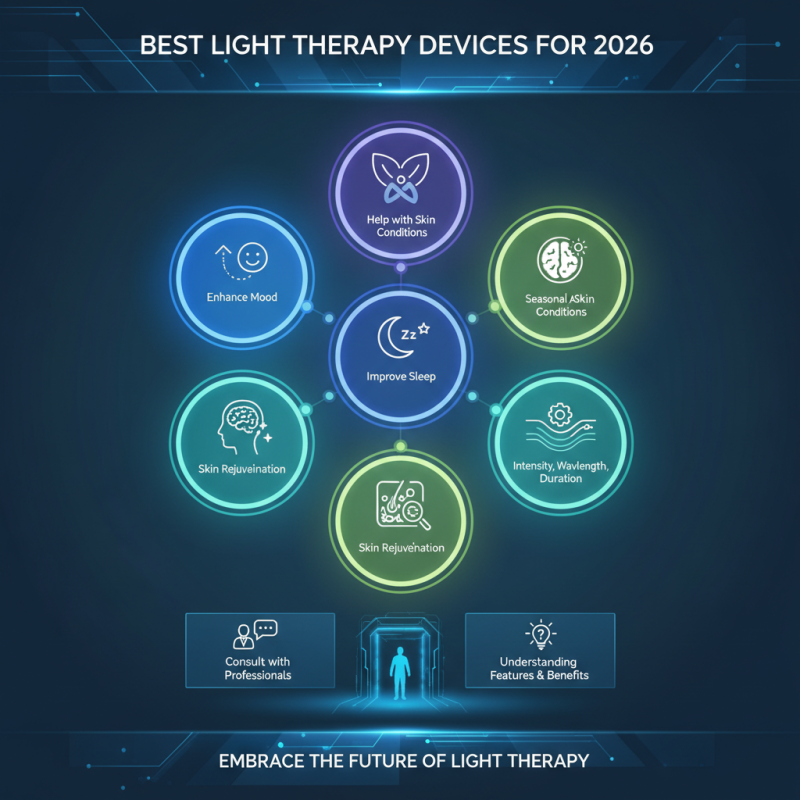
As we step into 2026, the world of Light Therapy continues to evolve. Many individuals are turning to light therapy devices for various health benefits. These devices can enhance mood, improve sleep, and help with skin conditions. However, choosing the right one can be overwhelming.
Not all light therapy devices are created equal. Some focus on specific issues like seasonal affective disorder, while others target skin rejuvenation. An informed choice requires understanding the features and benefits of each option. Additionally, factors like intensity, wavelength, and treatment duration play crucial roles.
Though light therapy holds promise, individual results can vary. It is essential to consult with professionals to meet your specific needs. Learning about the different types of devices will empower you to make a reliable decision for your health. Embrace the future of light therapy with informed confidence.
Overview of Light Therapy and Its Benefits
Light therapy has gained popularity due to its wide range of benefits. It involves using specific wavelengths of light to improve health. This technique can enhance mood, alleviate seasonal affective disorder, and even assist in skin rejuvenation.
Research shows that exposure to certain light frequencies stimulates collagen production. This can improve skin texture and reduce signs of aging. Light therapy is also noted for its positive effects on sleep patterns. Many users report better sleep after just a few sessions.
However, light therapy is not a one-size-fits-all solution. Some individuals may feel discomfort or irritation. It's crucial to monitor your body's response. Consulting a healthcare professional before starting treatment can lead to better outcomes. With the right guidance, light therapy can be a beneficial addition to your wellness routine.
Light Therapy Device Effectiveness Comparison (2026)
This chart illustrates the effectiveness ratings of different benefits provided by light therapy devices in 2026. Ratings range from 1 to 10, indicating user satisfaction and observed improvements across various areas such as mood enhancement, sleep quality, skin health, energy levels, and pain relief.
Types of Light Therapy Devices Available in 2026
In 2026, light therapy devices come in various types. Each type targets specific needs. Some focus on skin conditions, while others aim to improve mood and sleep. LED masks are popular for skin rejuvenation. They provide targeted treatments that can reduce wrinkles and acne.
Another common type is light boxes. These are often used for seasonal affective disorder. They mimic natural sunlight, helping to boost serotonin levels. Users should sit in front of these boxes daily for the best results.
Tip: Always start with shorter sessions to see how your body reacts. Overuse can lead to irritation or discomfort. Remember to consult a healthcare professional before starting any light therapy. Each device works differently, and what works for one person may not work for another. Don't hesitate to research and find the right fit for your needs. Consider your lifestyle and preferences to ensure consistency.
Key Features to Look for in Light Therapy Devices
When choosing a light therapy device, understanding its key features is crucial. Brightness is one of the most important aspects. Look for devices that offer adjustable light intensity. This feature allows users to control the brightness according to their sensitivity and comfort levels. Many users may find that a higher intensity works best during winter months, while lower settings could be more suitable for spring.
Another essential feature is the type of light emitted. Full-spectrum light is highly recommended. It closely mimics natural sunlight, providing the body with a balanced light exposure. Additionally, some devices include blue light options, which can enhance mood and alertness. However, caution should be exercised. Blue light can disrupt sleep if used too late in the day.
Portability is also worth considering. Some devices are bulky and not easy to move around. Compact designs are generally more user-friendly. A device that can easily fit into a bag allows for treatment on the go. However, be aware that size might affect the light coverage area. Users need to think about these trade-offs carefully before making a purchase.
Best Light Therapy Devices for 2026
| Device Type | Key Features | Light Type | Adjustable Intensity | Timer Function | Price Range |
| LED Face Mask | Red light therapy, skin rejuvenation | Red & Near-Infrared | Yes | Yes | $150 - $300 |
| Portable Handheld Device | Compact design, travel-friendly | Blue & Red | Yes | No | $100 - $200 |
| Light Therapy Lamp | Full-spectrum light, mood boost | White | Yes | Yes | $60 - $150 |
| Infrared Device | Pain relief, deep tissue therapy | Near-Infrared | Yes | Yes | $200 - $400 |
| Sleep Therapy Device | Supports sleep cycles, blue light filter | Blue | Yes | Yes | $80 - $180 |
Top Brand Recommendations for Light Therapy Tools
Light therapy has gained popularity as a natural remedy for various skin conditions and mood disorders. Selecting the right device is crucial for optimal results. Many users prefer tools that offer versatility, providing different wavelengths for specific needs. It's important to consider the comfort, size, and design of the devices. A compact tool can easily fit into any space and be used conveniently.
When exploring options, look for brands recognized in the field of light therapy. Devices with clinical backing tend to inspire more confidence. Read reviews from real users to discern patterns of effectiveness. Many mention improvements in skin tone and mood. However, some users do not experience immediate results. This can be discouraging and may require ongoing usage.
Experiencing light therapy is both an art and a science. Each person's response may vary, highlighting the need for patience. Engaging with professionals for advice can help tailor your approach. Discussing with friends or family may also enhance your journey. The right device may transform your experience, but it’s essential to manage expectations and allow time for progress.
User Reviews and Ratings of Leading Light Therapy Devices
Light therapy devices have gained popularity for their potential to improve mood, skin health, and sleep quality. User reviews highlight their effectiveness but also reveal some mixed experiences. Many users appreciate the ease of use and portability of these devices. However, some report slower-than-expected results. It's essential to set realistic expectations when starting light therapy.
Ratings vary significantly among different models. Users often note that factors such as design and brightness impact their satisfaction. Some users prefer compact, handheld devices, while others enjoy larger, stationary ones. Reviews suggest experimentation is vital in finding the right fit for individual needs. Remember to consider both positive and negative feedback before making a purchase.
While many devices receive high praise, others fall short in delivering promised outcomes. A few users experienced skin irritation or discomfort, emphasizing the importance of patch testing. The technology is evolving, yet challenges remain. Find a device that aligns with your goals and suits your lifestyle. Always consult professionals if you have any health concerns.