
Choosing the best Folding Exercise Bike in 2026 is less about chasing the most features and more about finding a bike that fits real life. Does it fold easily beside a sofa? Can you move it without scraping the floor? And will its seat still feel comfortable after twenty minutes?
Exercise pioneer Dr. Kenneth Cooper is often credited with the reminder, “You don't stop exercising because you grow old; you grow old because you stop exercising.” His words speak to consistency, though they do not tell us which bike to buy. For that, practical details matter: resistance range, frame stability, seat adjustment, noise, and the space required when the bike is both open and folded.
Small rooms change the decision. A folded frame may look compact in a product photo, yet its pedals or stabilizers can still jut into a walkway. Look for clear dimensions and straightforward setup instructions. Check whether the display is readable from your riding position, and whether the bike supports your intended workout intensity.
No single model suits every rider. Some prioritize a light frame; others need a wider seat or smoother resistance. A low price can be tempting. So can a long feature list. Neither guarantees a better ride.
This guide compares leading 2026 options by comfort, storage, durability, and value. We’ll also flag trade-offs, because compact bikes can feel less substantial than full-size models. That detail deserves a second look.
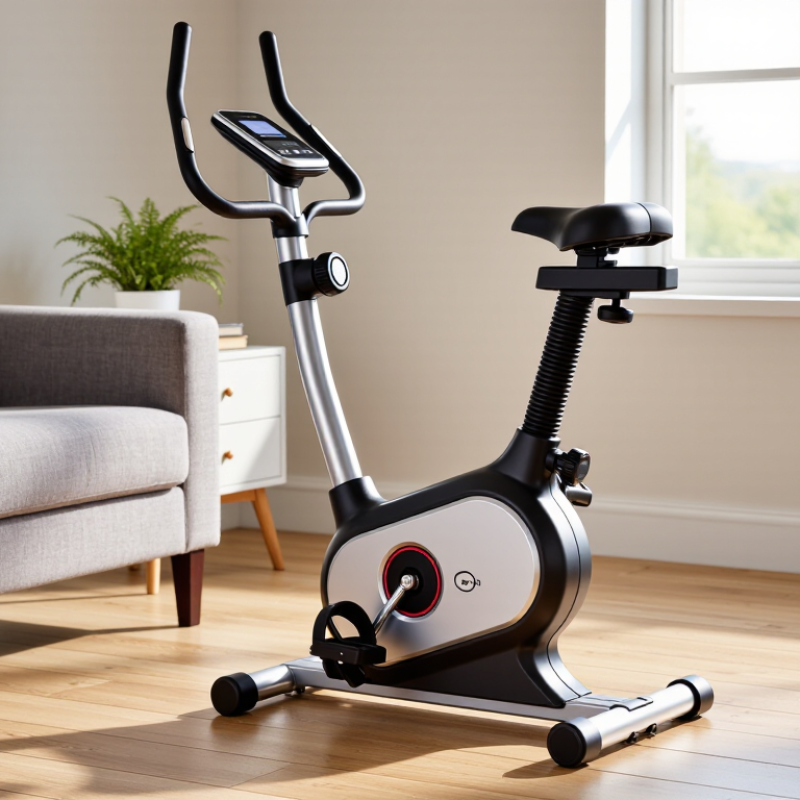
A folding exercise bike has a hinged frame that closes into a narrower shape for storage. Most use a flywheel and adjustable resistance to create a steady pedaling effort. Turning a dial usually changes magnetic resistance; simpler designs may use friction. The seat and handlebars adjust to fit different body sizes, though the range can be limited.
Small detail, big difference. Check that your knees stay slightly bent at the bottom of each pedal stroke.
These bikes often suit apartment dwellers, beginners, and people who want low-impact cardio while watching a show or reading. The upright position feels familiar, and a short session can fit into a busy day. They can also help people ease back into regular movement, but anyone with a health concern should seek suitable professional guidance.
A compact frame may wobble more during hard efforts, so it is not always ideal for standing sprints or heavy training. The folded shape can still be awkward; measure the storage spot and doorway before buying. Also check the hinge lock, floor stability, and how easily the bike rolls. The storage claim may sound simple, but moving a bike around a tight corner can be a nuisance.
When comparing folding exercise bikes in 2026, measure the storage spot before reading feature lists. Check the bike’s folded dimensions, then make sure its wheels can move across your actual floor. A narrow frame may still feel awkward beside a desk or closet door. Small detail, big difference. Also compare the bike’s weight and the effort needed to fold it. If you need to lift it over a step, a lighter model may matter more than extra screen features.
Comfort and stability deserve a hands-on check when possible. Adjust the seat to your height, pedal at a brisk pace, and notice whether the frame rocks or the seat shifts. A quiet ride helps in shared homes, but “quiet” can depend on flooring and assembly. Resistance should change smoothly, not jump from easy to punishing. Check whether the display shows useful basics, such as time, speed, and distance, and whether it works without an app. I’d be cautious about trusting polished specifications alone; measurements and comfort can feel different in a real room. Verify the stated user-weight limit and warranty terms before buying, too. A folding bike is still exercise equipment, not just furniture.
For compact homes, start with the folded footprint, not the screen. Measure the storage space and doorways; a bike that technically folds may still be awkward to move. For gentle, regular cardio, a basic upright model with stable pedals and clear resistance steps can be enough. WHO guidelines recommend 150–300 minutes of moderate aerobic activity weekly for adults. That is a useful planning range, not a reason to buy the most expensive console. Start with short rides. Build gradually.
If structured sessions matter, consider a model with adjustable resistance, a readable display, and a comfortable seat. ACSM’s 2025 Worldwide Survey of Fitness Trends ranked wearable technology as the leading trend, reflecting the value many exercisers place on tracking. Still, a display is not a training plan. For interval work, check whether resistance changes feel smooth and whether the frame stays steady when you pedal hard. Try the seat, if possible. Small discomfort becomes hard to ignore.
On a tight budget, prioritize stability, simple controls, and a secure folding lock over extra programs. For frequent use, sturdier construction and a stronger warranty may justify spending more. Compare the bike’s folded dimensions and weight with your actual storage routine. Will you carry it upstairs? Probably not every day. I would check that detail twice; product specifications can make moving a bike sound easier than it feels.
| Training Need | Typical Budget (USD) | Configuration to Look For | Useful Features | Best For | What to Check Before Buying |
|---|---|---|---|---|---|
| Occasional, low-impact cardio | Under $150 | Basic upright folding bike with manual resistance | Adjustable seat, simple display, stable floor contact | Beginners and short, easy sessions in small spaces | Check the stated user-weight limit, seat adjustment range, and folded dimensions. |
| Regular general fitness | $150–$300 | Folding upright bike with magnetic resistance | Multiple resistance settings, adjustable seat, basic workout readouts | Several moderate rides per week and everyday home cardio | Confirm that the resistance changes smoothly and that the bike feels steady while pedaling. |
| Comfort-focused or recovery riding | $150–$350 | Folding recumbent-style bike, if available in the required space | Back-supported seat, step-through access, adjustable seat position | Riders who prefer a supported sitting position for light-to-moderate exercise | Check the seat fit, pedal reach, and whether the model truly folds for storage. |
| Intervals and varied effort | $250–$500 | Folding bike with a wider resistance range and a sturdier frame | Clearly adjustable resistance, secure pedals, readable workout display | Riders alternating easy recovery periods with harder efforts | Look for stable construction and resistance controls that are easy to reach during a ride. |
| Frequent use and added comfort | $300–$600 | Higher-spec folding upright bike with adjustable contact points | More seat and handlebar adjustment, smoother resistance changes, clear warranty terms | Regular riders who value fit and convenience alongside foldability | Compare warranty coverage, replacement-part availability, and the bike’s assembled footprint. |
| Very limited storage space | Any budget | Compact folding model with a clearly documented folded size | Folding frame, transport wheels where provided, manageable lifting weight | Apartment dwellers and people who need to move the bike after each session | Measure the storage area and check the bike’s folded dimensions and moving method. |
Budget ranges are approximate and can vary by retailer, location, and included features. Always verify the current specifications, weight limit, folded dimensions, warranty, and return policy for the individual model.
A good folding exercise bike should open without forcing the frame and lock firmly before you sit. Check the hinge, stabilizing feet, and seat adjustment in person when possible. The pedals should turn smoothly, while resistance changes should feel gradual rather than jumpy. A clear display is useful, but it matters less than a frame that feels steady beneath you. Check the listed user-weight limit and folded dimensions against your space.
Compact frames can wobble more during hard pedaling, especially on uneven floors. That trade-off is easy to overlook. Place the bike on a level surface, unfold it fully, and confirm that every latch is engaged before riding. Check for loose bolts, worn straps, or unusual clicking sounds regularly. If the seat slips or the frame shifts, stop and inspect it instead of riding through the problem.
Fit matters, too. Your knee should remain slightly bent when the pedal is at its lowest point; a cramped position can make longer sessions uncomfortable. Keep hands dry when adjusting the frame, and move the bike by its intended handle, not by the seat or pedal. Some models are awkward to fold despite their small footprint. Test the folding motion carefully. I would not assume “compact” means effortless.
What Are the Best Folding Exercise Bikes in 2026?
Choosing a folding exercise bike starts with your space and riding position, not its folded size alone. Measure the floor area and doorway, then check the bike’s dimensions when open and folded. Adjust the seat so your knee stays slightly bent at the bottom of each pedal stroke. Test it if possible. Some compact frames feel less stable, and shorter cranks or limited seat adjustment may not suit every rider. Check the resistance range, weight limit, and setup instructions before buying.
Set the bike on a firm, level floor, with room to step on and off safely. Lock the folding hinge as directed, and tighten any user-adjustable fittings before your first ride. Start with light resistance and a short session; listen for clicking or wobbling. Not every small sound signals a fault, but new or worsening noise deserves attention. Wipe sweat from the frame and console after use, and inspect the hinge, pedals, and visible fasteners regularly. Follow the manual for lubrication and service intervals.
Tips: Keep a small mat beneath the bike to catch sweat. Record your seat setting so setup takes less time. If folding it feels awkward, practice slowly before moving it; a compact bike can still be heavy.