Top 5 Benefits of LED Light Therapy for Skin Health?
LED Light Therapy is gaining traction in the skincare industry due to its numerous benefits. Studies indicate that skin rejuvenation treatments using LED technology have grown by over 45% in the past three years. This rise is attributed to its non-invasive approach and effectiveness for various skin concerns.
Research published in dermatological journals shows promising results. For example, a report highlighted that 80% of participants experienced noticeable improvements in skin texture and clarity after consistent use of LED Light Therapy. The therapy harnesses specific wavelengths of light to stimulate collagen production and reduce inflammation.
Yet, despite its advantages, some individuals may not see immediate results. Inconsistent usage can hinder effectiveness. It's crucial to understand the technology and choose the right wavelength for specific skin issues. The growth of this therapy reflects a shift toward more scientifically-backed skincare methods. Nonetheless, it is essential to approach treatment with realistic expectations and ongoing evaluation.
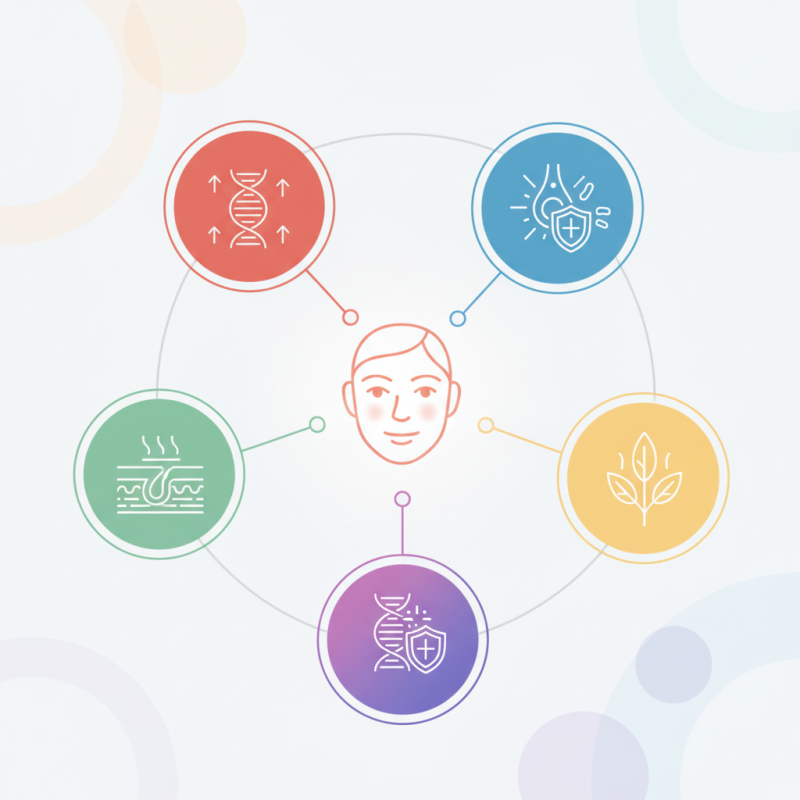
Understanding LED Light Therapy: A Brief Overview
LED light therapy has gained significant attention in recent years for its role in promoting skin health. This non-invasive treatment uses various wavelengths of light to address skin concerns. According to a report by the American Academy of Dermatology, approximately 72% of patients experience noticeable improvements in skin texture and tone after several sessions.
The red and near-infrared light effectively stimulates collagen production. Collagen is essential for skin elasticity and firmness. A study published in the Journal of Clinical and Aesthetic Dermatology showed that subjects observed a 40% increase in collagen density after consistent LED treatments. This highlights the therapy's potential to rejuvenate aging skin, making it an appealing option for many.
While LED therapy shows promise, individual experiences may vary. Skin type, condition, and the consistency of treatments all influence results. It's essential to consult with a qualified professional to tailor the therapy to specific needs. This approach ensures that each session is as effective as possible, maximizing potential benefits while understanding limitations.
How LED Light Therapy Works to Enhance Skin Health
LED light therapy is an innovative skin treatment that utilizes different wavelengths of light. This method targets various skin concerns by penetrating deeply into the skin layers. Different colors of LED light have specific benefits. For instance, red light stimulates collagen production, while blue light helps in reducing acne-causing bacteria. This targeted approach makes LED therapy a versatile option for skin health enhancement.
The mechanism behind LED therapy is straightforward. Light energy is absorbed by skin cells, activating cellular processes. This stimulation promotes healing and improves skin texture. Clients report visible improvements in skin tone and reduced fine lines after several sessions. However, individual results can vary. Some may need more frequent treatments to see noticeable changes. It’s important to manage expectations and consult skincare professionals for tailored advice.
Potential drawbacks exist. Not everyone responds well to LED treatments. Skin type and conditions play a critical role in effectiveness. Some users may experience mild sensitivity after sessions. Therefore, a patch test is advisable for those with sensitive skin. Understanding these nuances can help potential users make informed decisions about including LED therapy in their skincare routines.
Top Benefits: Improving Skin Tone and Texture with LED Therapy
LED light therapy is gaining attention in skincare, particularly for improving skin tone and texture. This non-invasive treatment uses various wavelengths of light to penetrate the skin. Reports indicate that approximately 80% of users notice positive changes after consistent sessions.
A study published in the Journal of Clinical and Aesthetic Dermatology shows that red LED light can enhance collagen production. This process improves skin elasticity and reduces fine lines, potentially giving a more youthful appearance. Users often report a smoother texture and more even skin tone. However, individual results can vary. Not everyone experiences significant improvements, and some may require ongoing treatments.
Another aspect is the calming effect on inflammation. Blue light therapy helps combat acne by reducing bacteria on the skin's surface. A survey found that 60% of acne patients experienced reductions in both active breakouts and post-inflammatory hyperpigmentation. That said, while many enjoy these benefits, some users may have skin sensitivities that lead to irritation. The key is to understand one's skin type and consult a professional before starting treatment.
Exploring the Anti-Aging Properties of LED Light Treatment
LED light therapy has gained popularity for its potential anti-aging effects on skin health. Different wavelengths of light target various skin concerns. For instance, red light stimulates collagen production, improving skin texture. Blue light, on the other hand, can help reduce acne by targeting bacteria. Both help enhance skin radiance and firmness.
When considering LED therapy, consult with a qualified practitioner. Understand your skin type and concerns for optimal results. Regular treatments are key. You may see improvements in as few as four sessions. Consistency helps maintain the skin's youthful appearance.
Tips: Always wear protective goggles during sessions. This shields your eyes from bright lights. Hydrate your skin post-treatment. A good moisturizer locks in benefits. Remember that results can vary. Reflect on how your skin responds. This helps in tailoring future treatments.
The Role of LED Light Therapy in Treating Acne and Inflammation
LED light therapy has been gaining popularity for its effectiveness in treating skin conditions like acne and inflammation. This non-invasive treatment uses specific wavelengths of light to target underlying skin issues. Studies show that blue light is especially beneficial for acne, as it can kill bacteria responsible for breakouts. Patients often report fewer pimples and less redness after regular sessions.
Moreover, red light therapy helps reduce inflammation. It penetrates deeper layers of the skin, promoting healing and collagen production. This can lead to healthier skin over time. Many people notice a significant reduction in skin irritation and scarring. It's encouraging, but not everyone responds the same way. Some may experience mild side effects, like temporary redness. These reactions remind us that individual skin types vary greatly.
Despite the enthusiasm around LED therapy, results can be inconsistent. Not everyone achieves drastic improvements. It's essential to approach it with realistic expectations. Consulting with a qualified professional can enhance the effectiveness of the treatment. They can customize the sessions based on skin type and specific concerns. This personalized approach is crucial for achieving the best outcomes.