Top Quality Bamboo Wipes for Global Buyers?
In today's eco-conscious world, Bamboo Wipes are gaining popularity among consumers and businesses alike. These wipes, made from sustainable bamboo, offer effective cleansing without harming the environment. Their natural properties make them safe for delicate skin, suitable for both adults and children.
As global buyers seek high-quality alternatives, bamboo wipes provide a refreshing option. The delicate fibers of bamboo are not just soft but also highly absorbent. However, many consumers still wonder about their durability and effectiveness compared to traditional wipes.
Finding reliable suppliers is crucial. Quality control varies widely in the market, which can lead to inconsistency in performance. Buyers should prioritize brands that demonstrate transparency and ethical sourcing. The quest for top-quality bamboo wipes involves a combination of research, experience, and trustworthy partnerships. Ultimately, these wipes not only serve a practical purpose but also contribute to a greener planet.
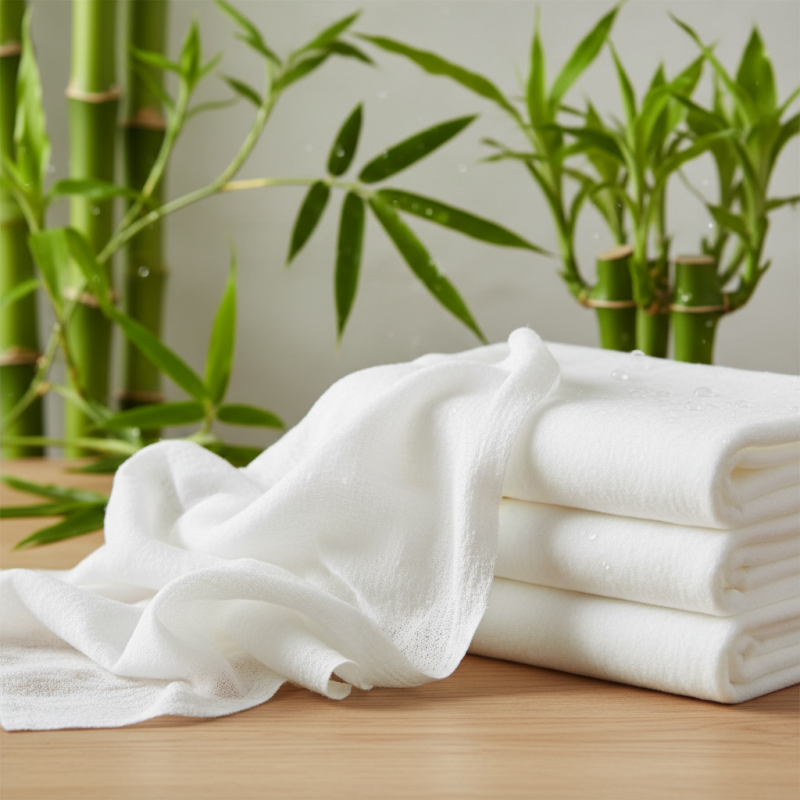
Top Quality Bamboo Wipes: An Overview of Their Benefits
Bamboo wipes have gained attention for their eco-friendliness and effectiveness. These wipes are made from renewable bamboo, making them a sustainable choice. According to a recent industry report, the market for biodegradable wipes is projected to grow at a CAGR of 15% through 2028. Many consumers are shifting towards sustainable options, seeking products that are gentle on the environment.
One of the main benefits of bamboo wipes is their natural antibacterial properties. Studies have shown that bamboo fibers contain a substance called bamboo kun, which aids in preventing bacterial growth. This makes bamboo wipes not only safe but also effective for cleaning. Additionally, they are often free from harsh chemicals, reducing the risk of skin irritation.
While bamboo wipes offer many advantages, not all products on the market are created equal. Some products may still contain additives or preservatives that could compromise their natural benefits. Consumers need to be vigilant, checking labels and certifications. This awareness ensures they choose high-quality options that align with their values. As the demand rises, manufacturers must continue to innovate, balancing effectiveness and sustainability without sacrificing quality.
Understanding the Manufacturing Process of Bamboo Wipes
Bamboo wipes are gaining popularity for their eco-friendliness and versatility. Understanding the manufacturing process is key to appreciating their quality. Bamboo is harvested typically within three to five years of growth. This fast replenishment makes it a sustainable resource. The manufacturing begins with converting raw bamboo into pulp, which involves a pulping process to extract fibers.
After pulping, the fibers are processed to create a soft texture. This requires careful attention to ensure the wipes do not compromise on quality. Sourcing bamboo responsibly is crucial; it should be harvested from well-managed forests. Ethical sourcing avoids deforestation and supports local economies. Yet, not all manufacturers prioritize these standards, leading to some potentially low-quality products.
Once the pulp is ready, it is blended with other materials for durability. This step is essential, as it directly affects the wipes' performance. Sometimes, manufacturers may cut corners, compromising product integrity. Quality control must be rigorous to avoid these pitfalls. Consumers should seek transparency from manufacturers about their processes to ensure they choose top-quality bamboo wipes.
Key Features to Look for in High-Quality Bamboo Wipes
When selecting high-quality bamboo wipes, consider their composition carefully. Look for wipes made from 100% natural bamboo fiber. This guarantees they are biodegradable and environmentally friendly. Also, ensure they are free from harsh chemicals and artificial fragrances. Many buyers prioritize hypoallergenic options, especially for sensitive skin.
Another important feature to evaluate is the texture of the wipes. A soft, thick texture enhances durability and effectiveness. Bamboo wipes should not easily tear during use. Additionally, packaging matters. A resealable package maintains the wipes' moisture. This attention to detail promotes long-lasting freshness.
It’s essential to read reviews and ratings before making a purchase. Feedback from other users provides insights into real-life performance. Some wipes may claim to be high quality but fall short. Inconsistent experiences can highlight the need for thorough research. Always be reflective about your own needs and preferences; they guide better choices.
Global Market Trends for Bamboo Wipes: Opportunities and Challenges
The global market for bamboo wipes is rapidly evolving. Increasing environmental awareness drives demand for sustainable products. Bamboo wipes, made from renewable resources, appeal to eco-conscious consumers. They are biodegradable and reduce plastic waste, aligning with current sustainability trends. Many companies see this as an opportunity to innovate and expand their product lines.
However, challenges exist in this growing market. Supply chain issues can affect availability and pricing. Not all suppliers guarantee high-quality bamboo, leading to variances in product performance. Some consumers express concerns about the durability and effectiveness of bamboo wipes compared to traditional ones. There is also a need for more education regarding the benefits of bamboo as a material.
Market research shows a strong interest in eco-friendly products among younger buyers. Companies must adapt their strategies to meet evolving consumer preferences. Continuous improvement and transparency are vital to building trust. Businesses in this sector should focus on quality assurance and sustainable sourcing practices.
Best Practices for Sourcing Bamboo Wipes for International Buyers
When sourcing bamboo wipes for international markets, consider quality and sustainability. The bamboo should be sourced from reputable suppliers who follow responsible practices. Check certifications that guarantee eco-friendliness and ethical production. This provides assurance to buyers and enhances marketability.
Conducting thorough supplier evaluations is essential. Look beyond the first search results. Engage with potential suppliers directly and ask for samples. Test these samples for texture, strength, and biodegradability. Pay attention to packaging as well, ensuring it aligns with sustainable practices.
Communication plays a key role in sourcing. Be clear about your requirements. However, maintain flexibility as some suppliers may not meet all your expectations. This process often reveals areas for improvement in your criteria. Balancing quality, cost, and sustainability can be challenging but ultimately rewarding. Regularly reassess your sourcing strategy to adapt to changing market trends and production standards.
Top Quality Bamboo Wipes for Global Buyers? - Best Practices for Sourcing Bamboo Wipes for International Buyers
| Feature | Description | Importance | Sourcing Tips |
| Material Quality | Biodegradable bamboo fibers that are soft and durable. | Essential for sustainability and user comfort. | Request samples and certifications to verify quality. |
| Certification | Certifications like FSC and ISO for manufacturing standards. | Increases trust and marketability. | Verify third-party certifications of suppliers. |
| Scent and Additives | Natural scents or hypoallergenic options without chemicals. | Critical for sensitive skin and environmental appeal. | Discuss the formulation and potential allergens with suppliers. |
| Packaging | Eco-friendly packaging that minimizes environmental impact. | Enhances brand image and attracts eco-conscious consumers. | Look for suppliers who use sustainable packaging solutions. |
| Pricing | Competitive pricing that reflects quality and sustainability. | Essential for market positioning and profitability. | Get quotes from multiple suppliers to compare pricing structures. |